

Platelet-Rich Plasma (PRP) therapy has revolutionised the field of hair restoration, offering a natural and scientifically-backed approach to combating hair loss and enhancing hair transplant results.
At KSL Clinic, we offer PRP with all of hair transplants (or as standalone treatments in some cases). We’ve witnessed firsthand the results of PRP and how it can transform both standalone hair loss treatment and complement hair transplant procedures for optimal outcomes.
This comprehensive guide will educate you about what PRP is, how it works, and why it’s increasingly becoming the gold standard for enhancing hair restoration results.
Key Time Frames in PRP Treatment for Hair Loss
- PRP (Platelet-Rich Plasma) uses your own blood, processed to concentrate growth factors that stimulate hair follicles, improve scalp health, and encourage stronger, thicker hair growth.
- A PRP session typically takes around 30 minutes from start to finish.
- Results develop gradually, with most people seeing improvement in hair thickness and health after 3–6 months of regular sessions. Results may vary.
- PRP can be started as early as 6-8 weeks post-transplant to aid healing and stimulate new growth.
- PRP is priced at £200 per session post transplant as a discount to £500 each session for non-transplant patients
What is PRP Hair Treatment?
Platelet-Rich Plasma (PRP) hair treatment is an innovative, non-surgical procedure that harnesses your body’s natural healing mechanisms to stimulate hair growth and improve hair density.
The treatment involves extracting a small amount of your own blood, processing it to concentrate the platelets, and then injecting this concentrated plasma directly into your scalp.
PRP hair treatment works by delivering a concentrated dose of growth factors and proteins directly to your hair follicles, encouraging them to enter the active growth phase and produce stronger, thicker hair strands. This process essentially revitalises dormant or weakened hair follicles, giving them the biological signals they need to resume healthy hair production.
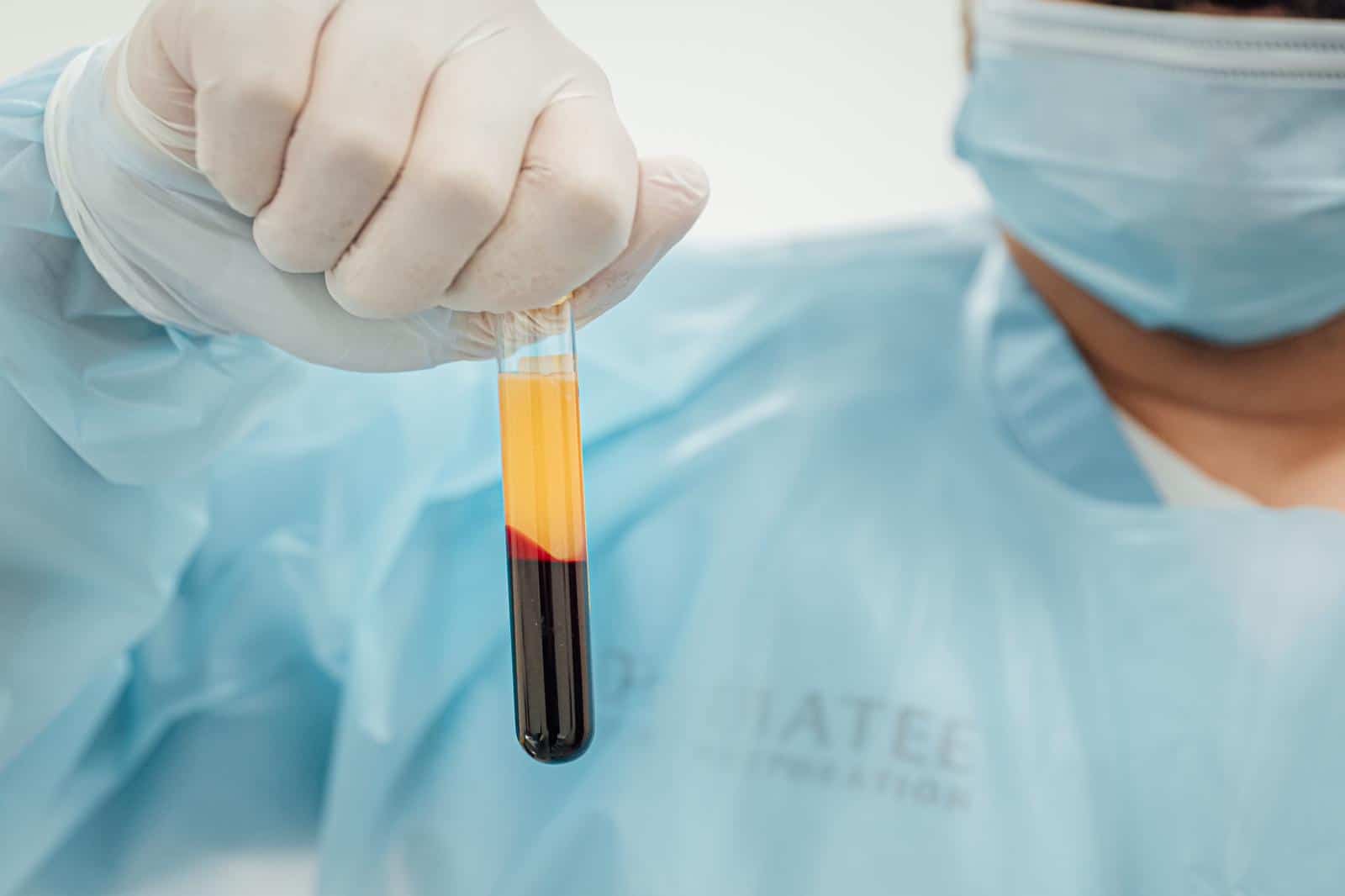
PRP Blood Extraction
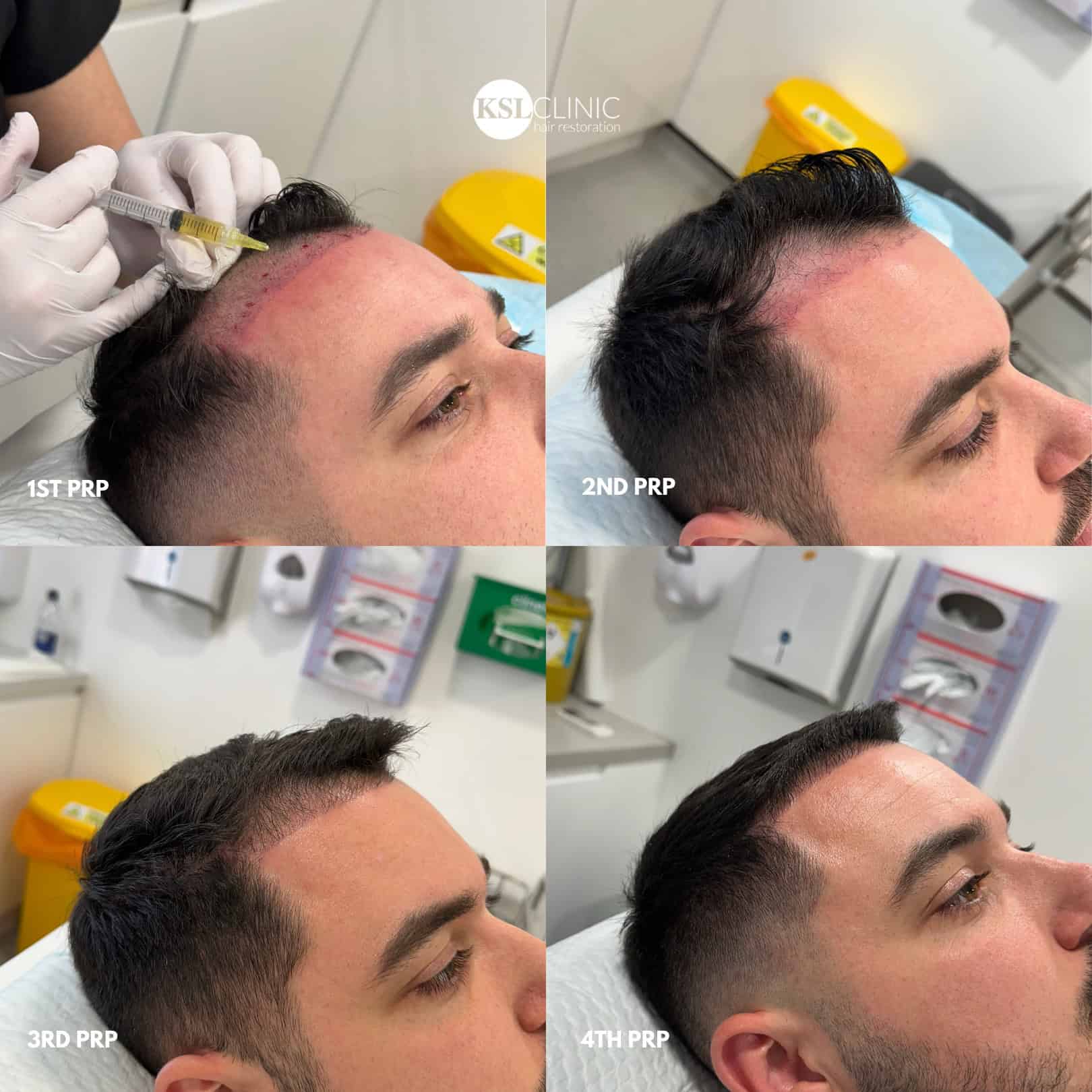
PRP Injections and results
The Natural Approach to Hair Restoration
What makes PRP particularly appealing is its natural approach to hair restoration. Since the treatment uses your own blood components, there’s minimal risk of adverse reactions or rejection, making it an exceptionally safe treatment option.
This biocompatibility means your body recognises and readily accepts the treatment, working in harmony with your natural healing processes rather than introducing foreign substances.
Unlike synthetic treatments that may cause side effects or require long-term pharmaceutical intervention, PRP simply amplifies what your body already does naturally.
This makes it an excellent option for patients seeking a holistic solution to hair loss that doesn’t compromise their overall health or wellbeing.
Understanding the PRP Concentration Process
The process of creating PRP involves sophisticated centrifugation techniques that separate your blood into its component parts.
Through this process, we achieve platelet concentrations that are 3-8 times higher than what’s found in normal blood. This concentration is crucial because it ensures that when we inject the PRP into your scalp, we’re delivering a therapeutic dose of growth factors that can actually make a measurable difference to your hair follicles.
The concentrated platelets act like a concentrated serum of natural healing factors, providing your hair follicles with everything they need to overcome the factors that have been causing your hair loss.
This includes not just growth stimulation, but also improved blood flow, reduced inflammation, and enhanced cellular repair mechanisms.
The Science Behind PRP
Understanding Platelets and Growth Factors
Platelets are small cell fragments in your blood that play a crucial role in healing and tissue regeneration throughout your body. While most people know platelets for their role in blood clotting, they also serve as biological delivery systems for powerful growth factors and healing proteins.
When activated, platelets release these stored growth factors, which then signal surrounding cells to begin repair and regeneration processes, source (national institute of health).
In the context of hair restoration, these growth factors include:
- Platelet-Derived Growth Factor (PDGF): This powerful growth factor stimulates cell replication and tissue repair by encouraging cellular division and promoting the formation of new blood vessels. In hair follicles, PDGF helps extend the growth phase of hair cycles and promotes the development of stronger, more resilient hair shafts.
- Transforming Growth Factor (TGF): TGF promotes collagen production and tissue healing, which is essential for maintaining the structural integrity of hair follicles. It also helps regulate the hair growth cycle, ensuring that follicles remain in the active growth phase for longer periods.
- Vascular Endothelial Growth Factor (VEGF): This growth factor encourages blood vessel formation and improved circulation around hair follicles. Better blood flow means more nutrients and oxygen reach the follicles, creating an optimal environment for hair growth.
- Insulin-like Growth Factor (IGF): IGF supports cellular growth and regeneration whilst also helping to extend the anagen (growth) phase of the hair cycle. It’s particularly important for maintaining the health and vitality of the dermal papilla, the structure at the base of each hair follicle that controls hair growth.
How PRP Affects Hair Follicles
When these concentrated growth factors are injected into areas of hair loss, they create a cascade of biological responses that directly address the underlying causes of hair thinning and loss:
- Stimulate dormant hair follicles to re-enter the growth cycle: Many hair follicles affected by pattern hair loss become dormant rather than completely destroyed. PRP provides the biological signals these follicles need to reactivate, essentially “waking up” follicles that have been inactive for months or even years.
- Increase blood circulation to the scalp, delivering essential nutrients: Improved circulation ensures that hair follicles receive adequate oxygen and nutrients whilst also helping to remove waste products that can impede growth. This enhanced blood flow creates a healthier scalp environment overall (view the study here).
- Extend the anagen (growth) phase of the hair cycle: Normal hair growth occurs in cycles, with the anagen phase being when hair actively grows. PRP helps extend this growth phase, allowing hair to grow longer and thicker before entering the resting phase.
- Strengthen existing hair shafts and improve overall hair quality: PRP doesn’t just promote new growth; it also improves the quality of existing hair by strengthening the hair shaft structure and improving the health of the follicle that produces each strand.
- Promote the development of new blood vessels (angiogenesis) around follicles: This process ensures a sustainable blood supply to support ongoing hair growth, creating the infrastructure needed for long-term hair health.
The Molecular Mechanisms
At the molecular level, PRP works by activating specific cellular pathways that promote hair growth. The growth factors in PRP bind to receptors on the surface of hair follicle cells, triggering intracellular signaling cascades that promote cell division, protein synthesis, and tissue repair. This scientific understanding of PRP’s mechanisms helps explain why the treatment is so effective and why results improve over time as these cellular processes build momentum.
How PRP Enhances Hair Transplant Results
PRP treatment works exceptionally well alongside hair transplants to maximise your investment in hair restoration and enhance your final result.
- Enhanced Graft Survival: PRP provides newly transplanted follicles with essential growth factors that improve their chances of successful integration into your scalp.
- Accelerated Healing: The growth factors in PRP speed up the healing process by promoting faster tissue repair, reducing inflammation, and improving blood flow to the surgical sites. This means less downtime, reduced discomfort, and a faster return to normal activities following your hair transplant procedure.
- Improved Hair Quality: PRP doesn’t just promote growth—it enhances the thickness, strength, and overall quality of both transplanted and existing hair. Patients often notice that their hair feels thicker and looks healthier after incorporating PRP into their treatment plan.
- Reduced Shock Loss: One of the most concerning aspects of hair transplant surgery is temporary shock loss, where existing hairs around the transplant area temporarily shed due to the trauma of surgery. PRP helps minimise this effect by supporting the health of existing follicles and reducing surgical stress on surrounding tissues.
Generally, we advise patients to come in for the PRP treamtent 6-8 weeks post surgery.
Regular PRP sessions following your transplant help maintain and enhance results whilst protecting your investment in hair restoration. The growth factors continue to support both the newly transplanted follicles and your existing hair, ensuring comprehensive improvement across your entire scalp.
Scientific Evidence Supporting Combined Treatment
Clinical studies have consistently shown that patients who combine PRP with hair transplant surgery achieve superior results compared to those who undergo surgery alone. These studies demonstrate improvements in graft survival rates, hair density, hair thickness, and overall patient satisfaction. The evidence is compelling enough that many leading hair transplant surgeons now consider PRP an essential component of comprehensive hair restoration treatment. Find out more about these studies here:
- A 2020 review of 13 studies found that PRP may help increase hair thickness and density.
- A 2022 review found that PRP may stimulate hair growth and thickness, as well as protect hair follicles from prematurely shedding.
- A 2018 review found that PRP may trigger hair growth by increasing blood supply to the hair follicle.
PRP vs Hair Transplant: Understanding Your Options
Should you choose PRP Over Hair Transplant?
Many patients wonder whether PRP is better than hair transplant for their specific situation. The answer depends on several factors related to your hair loss pattern, lifestyle, and goals. Understanding these factors helps ensure you choose the most appropriate treatment approach.
PRP is ideal when:
- Hair loss is in early to moderate stages: PRP works best when there are still viable hair follicles present, even if they’re producing thin or weak hair. If you’re experiencing gradual thinning rather than complete baldness, PRP can often restore much of your lost density without surgical intervention.
- You have diffuse thinning rather than complete baldness: Diffuse thinning across the scalp responds particularly well to PRP because the treatment can address multiple areas simultaneously, providing overall improvement in hair density and quality.
- You want to maintain and strengthen existing hair: PRP excels at preventing further hair loss and improving the quality of hair you still have. This preventive approach can delay or eliminate the need for more invasive treatments.
- You prefer non-surgical options: Some patients aren’t comfortable with surgical procedures or can’t take time off for recovery after a hair transplant. PRP offers significant improvements without the commitment and recovery time associated with surgery.
- You’re not ready for the commitment of transplant surgery: Hair transplants are a significant decision that requires careful planning and recovery time. PRP allows you to improve your hair while you consider your long-term options.
Hair transplants are better when:
- You have advanced hair loss or complete baldness in certain areas: When follicles are completely gone, PRP cannot regenerate hair in those areas. Hair transplants physically relocate healthy follicles to these bald areas, providing coverage where PRP cannot.
- You need significant hair density improvement: While PRP can improve density, hair transplants can provide increases in hair density, particularly in specific target areas.
- You want permanent results: Hair transplant results are permanent and can completely transform your appearance, while PRP provides more gradual improvements that require ongoing maintenance.
- PRP alone hasn’t provided sufficient improvement: Some patients try PRP first and then move to hair transplants if they need more dramatic results. This sequential approach is perfectly valid and the PRP treatment will have improved your scalp condition for the eventual transplant.
The Combined Approach
Many patients ask whether PRP is worth it and how effective it is for hair loss. Research and extensive clinical experience show that PRP can be highly effective when applied appropriately, but understanding what makes it work helps set realistic expectations. For many patients, the best approach to regain confidence in your hair involves both treatments working together. This combined approach addresses different aspects of hair loss:
- Hair transplants provide immediate, permanent coverage in areas of significant hair loss
- PRP maintains and enhances the transplant results whilst protecting and improving existing hair
- Together, they provide comprehensive hair restoration that addresses both current hair loss and prevents future progression
The combined approach often provides the best long-term value because it maximises the results of your hair transplant investment whilst maintaining the health of your existing hair for years to come.
Making the Right Choice for Your Situation
The decision between PRP, hair transplants, or a combination approach should be based on a thorough evaluation of your individual circumstances. Factors to consider include your age, pattern and extent of hair loss, lifestyle, budget, and long-term goals.
A consultation with an experienced hair restoration specialist can help you understand which approach will best meet your specific needs. Book a consultation today!
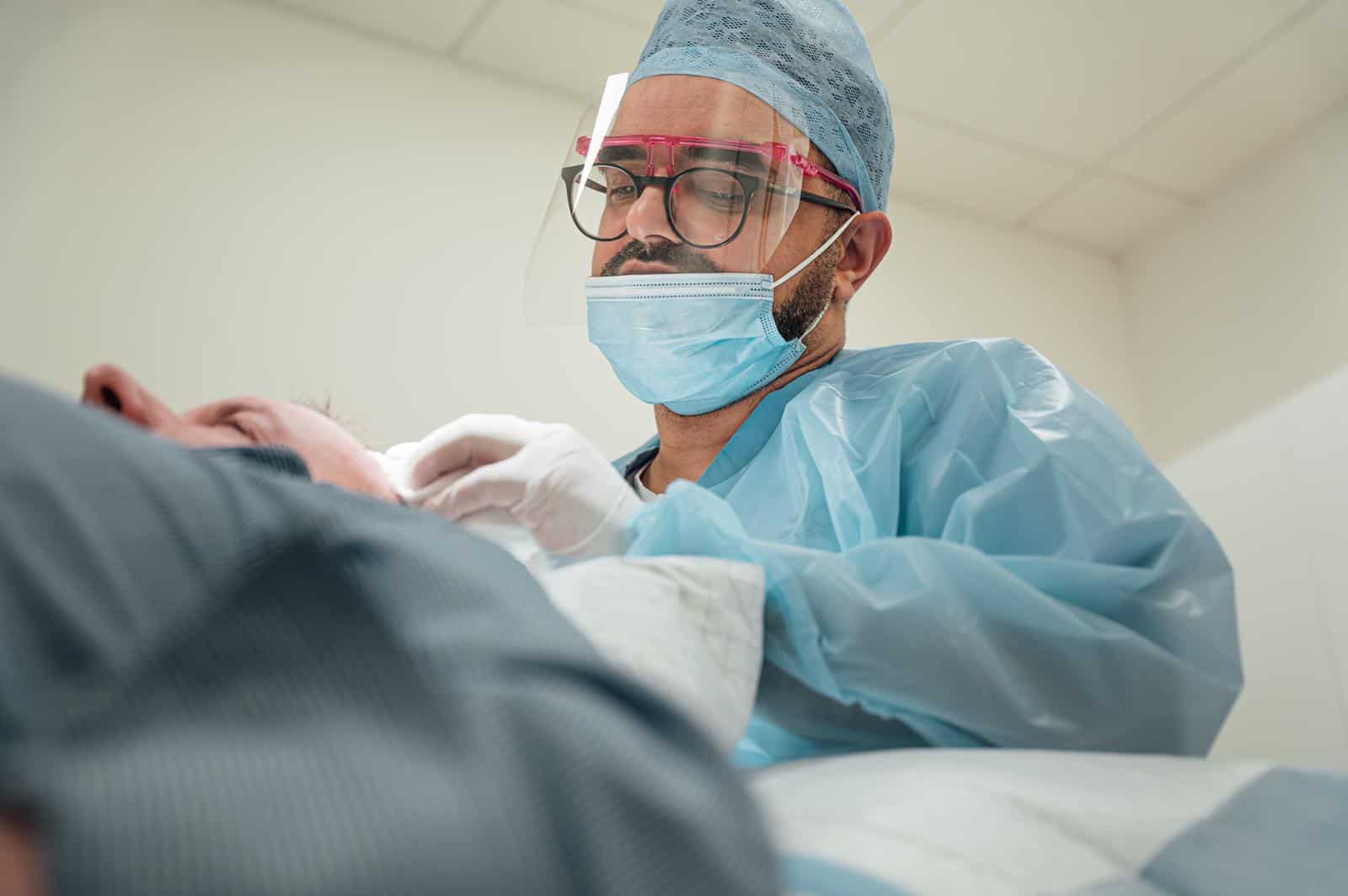 Treatment Timeline and Process
What Happens During a PRP Session
Understanding the PRP treatment process helps patients feel more comfortable and confident about their decision to pursue this therapy. Each session follows a carefully standardised protocol to ensure safety and optimal results:
- Blood Collection: A small amount of blood (typically 10-20ml, similar to a routine blood test) is drawn from your arm using standard venipuncture techniques. The amount of blood needed is minimal and won’t affect your energy levels or daily activities. The collection process takes only a few minutes and uses sterile, single-use equipment.
- Centrifugation: The blood is immediately processed in a specialised centrifuge that spins at precise speeds to separate the different components of your blood. This process typically results in three distinct layers: red blood cells at the bottom, platelet-rich plasma in the middle, and platelet-poor plasma at the top.
- Preparation: The PRP layer is carefully extracted and prepared for injection. Quality control measures ensure that we achieve the optimal platelet concentration for therapeutic effect. The PRP is then loaded into sterile syringes fitted with fine needles designed for comfortable scalp injection.
- Scalp Preparation: Your scalp is thoroughly cleaned with an antiseptic solution to prevent any risk of infection. Depending on your comfort level and the extent of treatment needed, we may apply a topical anaesthetic to minimise any discomfort during the injection process.
- Injection: The PRP is carefully injected into targeted areas of the scalp using a systematic grid pattern to ensure even distribution. The injections are placed at specific depths to reach the hair follicles whilst avoiding deeper structures.
- Post-treatment Care: After the injections, your scalp may appear slightly red with small injection marks, which typically resolve within a few hours. You’ll receive detailed aftercare instructions to optimise your results and ensure proper healing.
The entire appointment typically takes 30 minutes from start to finish, and you can return to normal activities immediately afterwards.
Understanding How Long PRP Takes to Work
PRP results don’t appear overnight, and understanding the timeline helps set realistic expectations and maintain motivation throughout the treatment process:
- 2-3 months: Initial improvements may become noticeable as the growth factors begin to take effect. You might notice reduced hair shedding, improved hair texture, or subtle changes in hair density. These early signs indicate that your follicles are responding to treatment.
- 4-6 months: More significant changes in hair thickness and density become apparent. Existing hair strands become stronger and thicker, whilst previously dormant follicles begin producing visible new growth. This is when most patients start to feel genuinely excited about their results.
- 6-12 months: Optimal results are typically achieved during this timeframe as the hair growth cycle completes and new hair reaches maturity. The full effects of improved blood circulation and follicle health become evident, with many patients experiencing their best results around the 8-10 month mark.
- Ongoing: Regular maintenance sessions help sustain improvements and continue supporting hair health. The effects of each treatment build upon previous sessions, creating cumulative benefits over time.
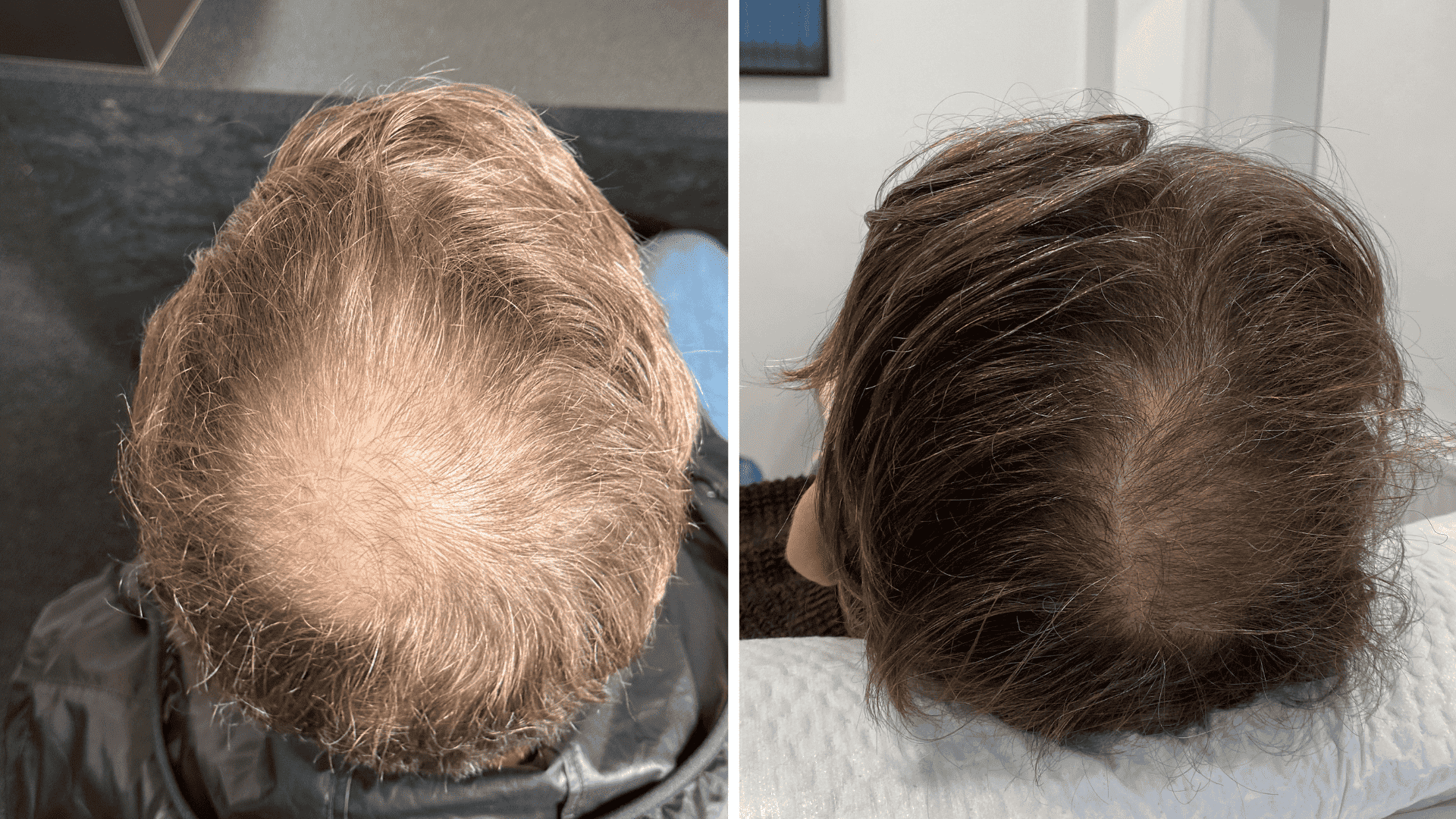
how long do PRP results take
Factors Affecting Timeline
Several factors can influence how quickly you see results from PRP treatment:
- Severity of hair loss: Earlier stages of hair loss typically respond more quickly than advanced cases
- Age: Younger patients often see results sooner due to better cellular regeneration capacity
- Overall health: Good nutrition, regular exercise, and absence of underlying health conditions support faster results
- Treatment protocol: Following post-treatment care instructions and maintaining regular sessions optimises outcomes
- Individual variation: Some people’s hair follicles are simply more responsive to growth factor stimulation
Treatment Frequency and Duration
Initial Treatment Protocol
Understanding how many PRP treatments are needed for hair is crucial for planning your hair restoration journey and budgeting both time and financial resources:
Initial Phase (Months 1-4):
- 3-4 treatments spaced 4-6 weeks apart: This intensive initial phase is designed to kickstart the hair growth process by providing consistent growth factor stimulation to your hair follicles. The frequent treatments during this phase help build momentum and establish the biological changes needed for sustained improvement.
- Why this frequency matters: Hair follicles need consistent stimulation to overcome the factors that have been causing hair loss. The 4-6 week interval allows each treatment to build upon the previous one whilst giving your follicles time to respond and begin the regeneration process.
- What happens during this phase: You’ll typically notice the first signs of improvement during this period, including reduced shedding, improved hair texture, and the beginning of new growth in areas that have been thinning.
Maintenance Phase (Optional):
- Sessions every 4-6 months: Once the initial improvements are established, maintenance treatments help sustain results and continue supporting hair health. This maintenance phase is crucial for long-term success because it prevents regression and continues to support the health of both treated and existing hair.
- Why maintenance is necessary: Hair loss is often a progressive condition, and the factors that caused your original hair loss (genetics, hormones, age) continue to exert their effects. Regular PRP treatments help counteract these ongoing influences.
- Frequency adjustments: The exact maintenance schedule may be adjusted based on your individual response to treatment, lifestyle factors, and personal preferences. Some patients prefer slightly more frequent treatments for optimal results, whilst others can maintain their improvements with less frequent sessions.
Planning Your Treatment Schedule
When planning your PRP treatment schedule, consider factors such as:
- Seasonal considerations: Some patients prefer to schedule intensive treatments during cooler months when they’re less likely to be active outdoors
- Work and social commitments: While PRP requires minimal downtime, you might prefer to schedule treatments when you have fewer social or professional obligations
- Budget planning: Understanding the full treatment schedule helps you plan financially for the complete course of treatment
- Combining with other treatments: If you’re planning a hair transplant or other procedures, timing PRP treatments appropriately can maximise your overall results
Get a cost for your PRP treatment
Looking for a consultation regarding the cost of PRP treatment? Book a free consultation with us today to see what we can do for you.
Investment and Cost Considerations
Understanding PRP Treatment Costs
The investment in PRP treatment varies based on several factors, and understanding these variables helps patients make informed decisions about their hair restoration budget:
Factors Affecting Cost:
- Number of sessions required: The total cost depends significantly on how many treatments you need. While most patients require 3-4 initial sessions plus ongoing maintenance, some may need additional treatments based on their individual response and goals. More severe hair loss typically requires more sessions, which affects the total investment.
- Expertise of the practitioner: Experienced practitioners who specialise in hair restoration and have extensive PRP training may charge premium rates, but this investment often translates to better results and fewer complications.At KSL Clinic,
- Quality of equipment and facilities: Clinics that invest in advanced centrifuge systems, sterile processing equipment, and modern facilities may have higher overhead costs that are reflected in treatment pricing. However, this investment in quality typically leads to better outcomes.
- Additional services included: Some clinics include consultation fees, follow-up appointments, and complementary treatments in their PRP packages, whilst others charge separately for these services. Understanding what’s included helps you compare total costs accurately.
When evaluating PRP costs, it’s important to consider the comprehensive value rather than just the upfront expense:
- Long-term benefits: Results can last 12-18 months with maintenance treatments, providing sustained improvement that justifies the investment. When calculated on a monthly basis, PRP often compares favourably to other hair loss treatments.
- Non-surgical nature: The lack of surgical risks, anaesthesia requirements, and recovery time eliminates many of the hidden costs associated with surgical procedures. You won’t need time off work or additional medical care for complications.
- Natural approach: Using your body’s own healing mechanisms means no ongoing prescription costs, reduced risk of side effects, and compatibility with other treatments you might be using.
- Complementary benefits: PRP enhances other hair restoration treatments, potentially improving the value of investments you’ve already made in hair transplants or other therapies.
- Prevention: By slowing or stopping hair loss progression, PRP may prevent the need for more expensive treatments in the future, representing significant long-term savings.
Are there any alternatives to PRP?
Compare PRP costs with other hair loss treatment options:
Hair transplant procedures: While hair transplants provide permanent results, they require a significant upfront investment (typically several times the cost of a complete PRP treatment series) and may still benefit from PRP maintenance to optimise results.
Long-term medication costs: Prescription treatments for hair loss can cost hundreds or thousands of pounds annually for life, potentially making PRP more cost-effective over time, especially when considering the absence of side effects.
Hair replacement systems: High-quality hair pieces or systems require ongoing maintenance, replacement, and professional services that can be quite expensive over time, often exceeding the cost of PRP treatment.
Other non-surgical options: Laser therapy, topical treatments, and other non-surgical approaches each have their own cost considerations and effectiveness profiles that should be compared with PRP’s benefits and pricing.
Many patients find that PRP offers excellent value when considering its effectiveness, safety profile, and the confidence boost that comes with natural hair improvement. The investment in PRP is really an investment in your long-term hair health and personal confidence.
Ideal Candidates for PRP Treatment
Who Benefits Most from PRP?
Understanding whether you’re a good candidate for PRP treatment is crucial for achieving optimal results and satisfaction with your investment. The most successful PRP patients share certain characteristics that make them likely to respond well to this therapy.
Ideal Candidates Include:
- Men and women with androgenetic alopecia (pattern hair loss): This is the most common type of hair loss and responds exceptionally well to PRP treatment. Androgenetic alopecia affects hair follicles in a predictable pattern, typically starting with thinning rather than complete hair loss, which makes it ideal for PRP intervention.
- Patients with early to moderate hair loss: PRP works best when there are still viable hair follicles present, even if they’re producing thin or weak hair. If you’re noticing gradual thinning, changes in hair texture, or increased shedding, you’re likely in the ideal stage for PRP treatment.
- Individuals with good overall health: General health status significantly affects your body’s ability to respond to PRP treatment. Patients with good circulation, adequate nutrition, and no major health conditions typically see better and faster results.
- Those seeking natural, non-surgical solutions: PRP appeals to patients who prefer treatments that work with their body’s natural processes rather than introducing synthetic substances or requiring surgical intervention.
- Patients wanting to enhance hair transplant results: Even if you’re primarily considering hair transplant surgery, PRP can significantly improve your results by supporting graft survival and maintaining your existing hair health.
Medical Considerations
Several medical factors determine whether PRP is appropriate for your specific situation:
Good Candidates Have:
- Adequate platelet count: PRP effectiveness depends on having sufficient platelets to create a therapeutic concentration. A simple blood test can confirm whether your platelet levels are adequate for treatment.
- No active scalp infections: Scalp conditions such as seborrheic dermatitis, psoriasis, or bacterial infections should be treated and resolved before beginning PRP therapy to prevent complications and optimise results.
- Realistic expectations about results: The most satisfied PRP patients understand that the treatment provides gradual, natural-looking improvements rather than dramatic overnight changes. Having realistic goals based on your specific hair loss pattern is crucial for satisfaction.
- Commitment to maintenance treatments: PRP requires ongoing maintenance to sustain results. Patients who are willing and able to commit to regular follow-up treatments achieve the best long-term outcomes.
PRP May Not Be Suitable For:
- Patients with certain blood disorders: Conditions such as thrombocytopenia (low platelet count), bleeding disorders, or other blood-related medical conditions may make PRP treatment inappropriate or less effective.
- Those on blood-thinning medications: Anticoagulant medications can affect both the PRP preparation process and increase bleeding risk during treatment. Patients on these medications need careful evaluation and may require treatment modifications.
- Individuals with active cancer: Cancer treatments and the disease itself can affect platelet function and overall healing capacity. PRP treatment is typically postponed until cancer treatment is complete and the patient has been cleared by their oncologist.
- Patients with severe, end-stage hair loss: When hair follicles have been completely dormant for many years or are no longer present, PRP alone is unlikely to produce significant regrowth. These patients may benefit more from hair transplant surgery, possibly combined with PRP.
How old you have to be have PRP?
Age can influence PRP effectiveness, though the treatment can be beneficial across a wide age range:
Younger patients (20s-30s): Often see faster and more dramatic results due to better cellular regeneration capacity and typically earlier-stage hair loss. They also tend to maintain results longer between treatments.
Middle-aged patients (40s-50s): Usually achieve excellent results, though they may require slightly more frequent treatments. This age group often has the ideal combination of hair loss severity and treatment responsiveness.
Older patients (60+): Can still benefit from PRP, though results may develop more slowly and require more frequent maintenance. The treatment can be particularly valuable for maintaining existing hair and improving hair quality.
Can lifestyle factors affect PRP?
Certain lifestyle factors can influence PRP candidacy and results:
- Nutrition: Good nutrition supports hair growth and PRP effectiveness
- Stress levels: High stress can counteract PRP benefits
- Sleep quality: Adequate sleep supports cellular regeneration
- Exercise habits: Regular exercise improves circulation and overall health
- Smoking: Smoking impairs circulation and can significantly reduce PRP effectiveness
Professional Consultation and Next Steps
Personalised Assessment
Every patient’s hair loss journey is unique, and successful PRP treatment begins with a comprehensive evaluation that considers all aspects of your individual situation. During your consultation at KSL Clinic, our experienced practitioners will conduct a thorough assessment to determine whether PRP is right for you and how to optimise your treatment plan.
During your consultation, we will:
- Assess your hair loss pattern and severity: Using standardised classification systems (Norwood scale for men, Ludwig scale for women) and detailed photographic documentation, we’ll evaluate the extent and pattern of your hair loss to determine how well PRP might address your specific situation.
- Evaluate your scalp condition: We’ll examine your scalp health, including circulation, inflammation, sebaceous gland activity, and overall tissue quality. A healthy scalp responds better to PRP treatment, whilst certain conditions may need to be addressed first.
- Discuss your goals and expectations: Understanding what you hope to achieve with treatment helps us recommend the most appropriate approach and set realistic expectations. We’ll discuss what PRP can and cannot accomplish for your specific situation.
- Review your medical history: Certain medical conditions, medications, and treatments can affect PRP candidacy and results. We’ll review your complete medical history to identify any factors that might influence your treatment plan.
- Recommend the most suitable treatment approach: Based on all the assessment factors, we’ll recommend whether PRP alone is sufficient for your goals or whether combining it with other treatments (such as hair transplants) would be more effective.
- Provide detailed cost estimates: We’ll provide transparent pricing information for your recommended treatment plan, including both initial treatments and long-term maintenance costs.
- Answer all your questions: We encourage patients to ask questions about any aspect of PRP treatment, from the scientific basis to practical considerations about scheduling and aftercare.
Why Choose KSL Clinic for PRP Treatment?
Selecting the right clinic and practitioner for your PRP treatment is crucial for achieving optimal results. KSL Clinic offers several distinct advantages that set us apart in the field of hair restoration:
Our Advantages:
- Experienced practitioners specialising in hair restoration: Our team has extensive experience specifically in hair restoration treatments, with hundreds of successful PRP cases. This specialisation means we understand the nuances of hair loss patterns, treatment protocols, and how to optimise results for different patient types.
- State-of-the-art PRP processing equipment: We invest in the highest quality centrifuge systems and processing equipment to ensure optimal platelet concentration and growth factor preservation. Our equipment allows us to customise PRP preparation protocols based on individual patient needs.
- Comprehensive approach combining multiple treatments: We don’t just offer PRP in isolation—we understand how it fits into a comprehensive hair restoration strategy that might include hair transplants, medications, lifestyle modifications, and other treatments.
- Proven track record with documented results: We maintain detailed records of patient outcomes and can share realistic expectations based on our extensive experience with PRP treatment across different patient populations.
- Ongoing support throughout your treatment journey: We provide comprehensive support from initial consultation through long-term maintenance, ensuring you have the guidance and care you need at every stage of your treatment.
Speak to our team about PRP today
If you’re considering PRP treatment or want to learn how it can enhance your hair restoration results, taking the next step is straightforward:
Contact KSL Clinic today:
Phone: 01622 686101 or 0161 503 0537
When you call, you can expect:
- A friendly, knowledgeable team member who can answer initial questions
- Scheduling for a comprehensive consultation at your convenience
- Information about preparing for your consultation
- Details about consultation fees and what’s included
What to bring to your consultation:
- List of current medications and supplements
- Photos showing your hair loss progression (if available)
- Questions about treatment options and expectations
- Information about your hair loss history and family history
Preparing for your consultation:
- Avoid washing your hair the day of consultation for better scalp assessment
- Come with clean hair free of styling products
- Be prepared to discuss your goals and concerns openly
- Consider bringing a trusted friend or family member for support
The Consultation Process
Your initial consultation is an investment in making the right decision about your hair restoration journey:
What happens during the consultation:
- Detailed discussion about your hair loss history and concerns
- Comprehensive scalp examination using specialised equipment
- Photographic documentation for treatment planning and progress tracking
- Treatment recommendation based on your specific situation
- Cost estimation and treatment timeline discussion
- Question and answer session to address any concerns
After your consultation:
- You’ll receive a detailed treatment plan and cost estimate
- Take time to consider your options—there’s no pressure to decide immediately
- Follow-up contact to answer any additional questions
- Scheduling of your first treatment when you’re ready to proceed
So, how does PRP sound to you?
PRP treatment represents a significant advancement in hair restoration technology, offering a natural, effective solution for hair loss that works both as a standalone treatment and as a complement to hair transplants. By harnessing your body’s own healing mechanisms, PRP provides a safe, scientifically-backed approach to achieving thicker, healthier hair whilst addressing the underlying factors that contribute to hair loss.