
Platelet-rich plasma therapy (PRP) can help protect the time and energy invested in hair transplant surgery by improving graft survival rates, accelerating post-transplant growth, and supporting your pre-existing follicles and scalp health.
This innovative, non-surgical treatment is often used during hair transplant recovery to give our patients the best possible outcome, using bioactive compounds extracted from their own blood to activate cellular healing and activity.
Incorporating PRP into an aftercare plan is recommended to optimise the results patients will see in the coming months.
PRP to Protect a Hair Transplant Investment: Key Takeaways
- PRP therapy helps increase graft survival rates, which can support thicker post-hair-transplant growth and ensure more visible healed results.
- Treatments accelerate healing by activating natural cellular activity, which can reduce the recovery period and support the scalp and follicles.
- While PRP is commonly scheduled post-transplant, it can also be used as a standalone treatment to protect the health and density of natural hair, supporting denser hair growth over time.
Why Consider Additional Therapies as Part of Post-Transplant Aftercare?
The FUE hair transplant procedure is safe and highly effective, but it remains essential for patients to properly care for their follicles after surgery, and anything that promotes a healthy blood supply to the scalp can help ensure more grafts survive.
On average, 85% to 100% of grafts performed during FUE surgery survive [1], but this can depend, to some extent, on how closely the patient follows the aftercare instructions provided. This can be influenced by:
- Blood flow to the scalp
- The individual’s natural pace of healing
- Medical Conditions
If delicate grafts don’t establish a good blood supply or become dislodged, for example, this can mean the final post-transplant outcome may have a lower-than-expected density or areas of uneven growth, which is why utilising effective therapies to support recovery is often recommended.
What Is Platelet Rich Plasma Therapy?
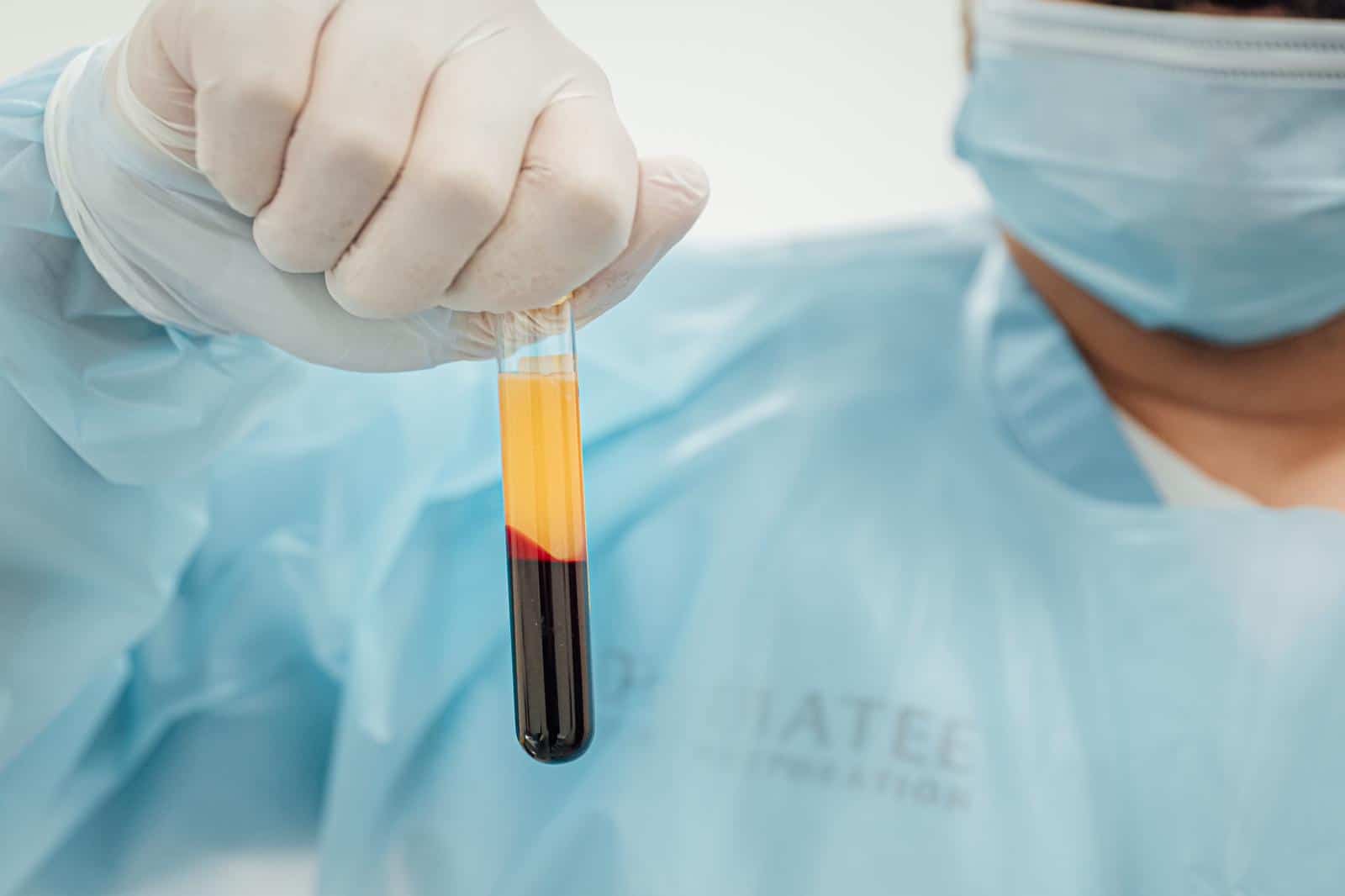
PRP is a non-surgical treatment that uses compounds separated from your own blood sample. This is processed in a centrifuge to extract concentrated platelets rich in growth factors, which are then injected carefully into the scalp.
Those growth factors are naturally occurring, and they can:
- Stimulate tissue repair
- Promote the formation of blood vessels
- Activate dormant hair follicles
- Extend the time hair spends in the growth phase
Research has found that PRP can offer measurable improvements in hair density and thickness as well as post-transplant graft survival rates. [2]
When Should PRP Be Scheduled During the Hair Transplant Process?
Patients organise PRP sessions before and after hair transplants, which can be a useful way to prepare the scalp for surgery, especially when the patient is concerned about further hair loss or having sufficient donor follicles.
Pre-hair transplant, PRP can improve the condition of the scalp, augment circulation and ensure the remaining follicles are stronger.
While the treatment isn’t incorporated into FUE hair transplant surgery itself, it can be used as a key aspect of recovery, usually with:
- Three to four PRP sessions during recovery
- Treatment plans with around six – eight week gaps
- Ongoing top-up maintenance sessions every six to 12 months
It’s important for the scalp to have time to heal after the procedure, but booking the right number and regularity of sessions gives the scalp a boost during recovery and over the long term.
Get a cost for your hair transplant
Looking for a consultation regarding the hair transplant cost? Book a free consultation with us today to see what we can do for you.
What Difference Will PRP Make to My Post-Transplant Hair Growth?
Some patients opt not to have PRP but pay extra attention to aftercare and protecting transplanted follicles from damage or abrasion – and this doesn’t mean their hair transplant won’t be a complete success.
However, there are several benefits to adding PRP to your recovery strategy as follows:
| With PRP | Without PRP | |
| Graft survival rates | Higher due to the support of growth factors | Dependent on the patient’s health and adherence to aftercare guidance |
| Hair thickness | Thicker and stronger strands | Variable based on natural growth |
| Healing time | Quicker recovery | Standard recovery period |
| Protection of pre-existing follicles | Actively supports non-transplanted hair | May continue to thin over time |
| Hair transplant results | Fuller and more natural growth | Could require ongoing treatments |
KSL Clinic says, ‘PRP isn’t mandatory, but it’s a great way to ensure you’ll see new hair growth as quickly as possible, with less anxiety about shedding, greater confidence in your results, and often better density at the 6-12 month point.’
Can PRP Be Combined With Other Hair Restoration Treatments?
Yes, and accomplished hair transplant surgeons often suggest a multi-layered strategy to give patients the optimal outcomes from their procedure, which can involve:
- Ongoing scalp care
- Medications where appropriate
- Nutritional guidance
- Low Level Laser light therapies
- PRP treatments
Addressing lifestyle factors that may have contributed to hair loss, for example, will help ensure that long-term thinning doesn’t continue at the same pace, and using medications and topical treatments like minoxidil and finasteride can slow genetic hair loss.
Frequently Asked Questions
How Soon Can I Start PRP After a Hair Transplant?
It’s normally advisable to wait six – eight weeks as a minimum after your procedure, ensuring the initial healing phase is fully complete. Your hair transplant surgeon will provide more accurate recommendations based on your hair transplant plans.
How Many PRP Sessions Do Most Hair Transplant Patients Have?
This depends on the grafts involved in your surgery, but typically a patient might have between three and four sessions in the first year after their transplant, followed by one to two treatments per year as maintenance sessions after that.
Will PRP Cause Damage to Transplanted Grafts?
No, once transplanted follicles have embedded and healed, they won’t be impacted negatively by gentle PRP injections. Using fine-grade needles and careful administration ensures the treatment isn’t harsh and won’t interfere with growing grafts.
Is PRP Therapy Painful?
No, provided the therapy is performed by a qualified, experienced professional, it is minimally uncomfortable and won’t irritate a sensitive scalp.
How Soon Can I Start PRP After a Hair Transplant?
It’s normally advisable to wait six – eight weeks as a minimum after your procedure, ensuring the initial healing phase is fully complete. Your hair transplant surgeon will provide more accurate recommendations based on your hair transplant plans.
Will PRP Cause Damage to Transplanted Grafts?
No, once transplanted follicles have embedded and healed, they won’t be impacted negatively by gentle PRP injections. Using fine-grade needles and careful administration ensures the treatment isn’t harsh and won’t interfere with growing grafts.
How Many PRP Sessions Do Most Hair Transplant Patients Have?
This depends on the grafts involved in your surgery, but typically a patient might have between three and four sessions in the first year after their transplant, followed by one to two treatments per year as maintenance sessions after that.
Is PRP Therapy Painful?
No, provided the therapy is performed by a qualified, experienced professional, it is minimally uncomfortable and won’t irritate a sensitive scalp.