


Hair loss can be very traumatic, for both men and women. But what are the statistics on how hair loss affects both men and women, and what types of hair loss are there?
Hair loss is a widespread concern affecting millions of people globally, with research indicating that more than 56 million people worldwide experience some form of hair loss.[1] In the UK alone, male hair loss affects approximately 6.5 million men, whilst women account for as many as 40% of all hair loss cases.[2] Whether you’re noticing thinning hair, a receding hairline, or increased shedding, understanding the statistics behind this condition can help you recognise that you’re not alone and that effective solutions are available.
Hair loss can be very traumatic, for both men and women. But what are the statistics on how hair loss affects both men and women, and what types of hair loss are there?

Summary
- Hair loss affects both genders: Whilst 6.5 million men in the UK experience male pattern baldness, women represent 40% of all hair loss sufferers,[2] challenging the misconception that it’s primarily a male condition.
- Age matters, but it’s not everything: By age 35, 40% of men show visible hair loss, increasing to 65% by age 60.[4] However, hair loss can begin at any age, with those aged 25-34 most likely to seek professional help early.[6]
- The psychological toll is significant: 89% of people experiencing hair loss report feeling a negative stigma around the condition, with 12% saying they felt betrayed by their bodies[6]—highlighting why addressing hair loss goes beyond cosmetic concerns.
How Common Is Hair Loss?
Hair loss is far more prevalent than many people realise. According to recent market research, more than 56 million people worldwide are affected by hair loss,[1] making it a global health concern that transcends borders and demographics.
In the United Kingdom specifically, the numbers are striking. Male hair loss alone affects 6.5 million men, representing a substantial portion of the adult male population. However, hair loss isn’t exclusively a male issue—women account for as many as 40% of all individuals experiencing hair loss, according to UCLA Health.[2]
Research from the American Osteopathic College of Dermatology indicates that millions of people will experience some degree of hair loss by the time they reach 50 years of age.[3] This statistic underscores how common the condition becomes as we age, though it’s important to note that hair loss can occur at any stage of life.
The Cleveland Clinic reports that hereditary hair loss (androgenetic alopecia) affects an estimated 80 million individuals in the United States.[4] This form of hair loss, characterised by genetic predisposition, represents the most common cause of baldness in both men and women.
Perhaps one of the most interesting statistics relates to genetic predisposition in the UK: 14% of British men are thought to possess the gene activity that will lead to male pattern baldness. This genetic component explains why some men experience significant hair loss whilst others maintain a full head of hair throughout their lives.
Hair Loss by Age: When Does It Typically Start?
Hair loss progression varies significantly with age, and understanding these patterns can help you identify whether your experience falls within typical ranges. The statistics paint a clear picture of how hair loss accelerates as men age.
Hair Loss Progression in Men by Age
| Age Range | Percentage Affected | What This Means |
| By age 35 | 40% | Two out of five men show visible signs of hair loss |
| By age 60 | 65% | Nearly two-thirds of men experience noticeable thinning or balding |
| By age 80 | 80% | Four out of five men show significant hair loss |
These figures demonstrate that hair loss becomes increasingly common with advancing age.[4] However, it’s crucial to recognise that these are population-wide statistics—individual experiences can vary considerably based on genetics, lifestyle, and overall health.
The timeline for complete baldness also varies significantly. According to dermatological research, it can take anywhere from 5 to 25 years for a man to go completely bald. This wide range reflects the highly individual nature of hair loss progression, influenced by genetic factors, hormonal changes, and environmental conditions.
Interestingly, younger men are becoming more proactive about hair loss. Data shows that those aged 25-34 are the most likely demographic to visit a professional when first noticing hair loss, with 13% seeking expert guidance as their first step.[6] This suggests a generational shift towards addressing hair loss earlier and more openly.
Understanding Normal Hair Shedding vs. Hair Loss
Before becoming concerned about hair loss, it’s essential to understand what constitutes normal hair shedding. Not all hair that falls out indicates a problem.
- The average healthy adult has between 90,000 and 150,000 strands of hair on their head.[7] This substantial number means that some daily shedding is not only normal but necessary as part of the hair growth cycle.
- The NHS reports that it’s completely normal to shed 50 to 100 hairs per day.[8] Women, in particular, are known to lose approximately 100 hairs daily as part of their natural hair cycle. This shedding occurs as old hairs complete their growth phase and make way for new growth.
Hair loss becomes a concern when shedding exceeds these normal levels or when you notice thinning areas, a receding hairline, or widening parts. If you’re experiencing more than 100-150 hairs falling out daily, or if you notice sudden changes in hair density, it may be time to consult a professional about potential underlying causes.
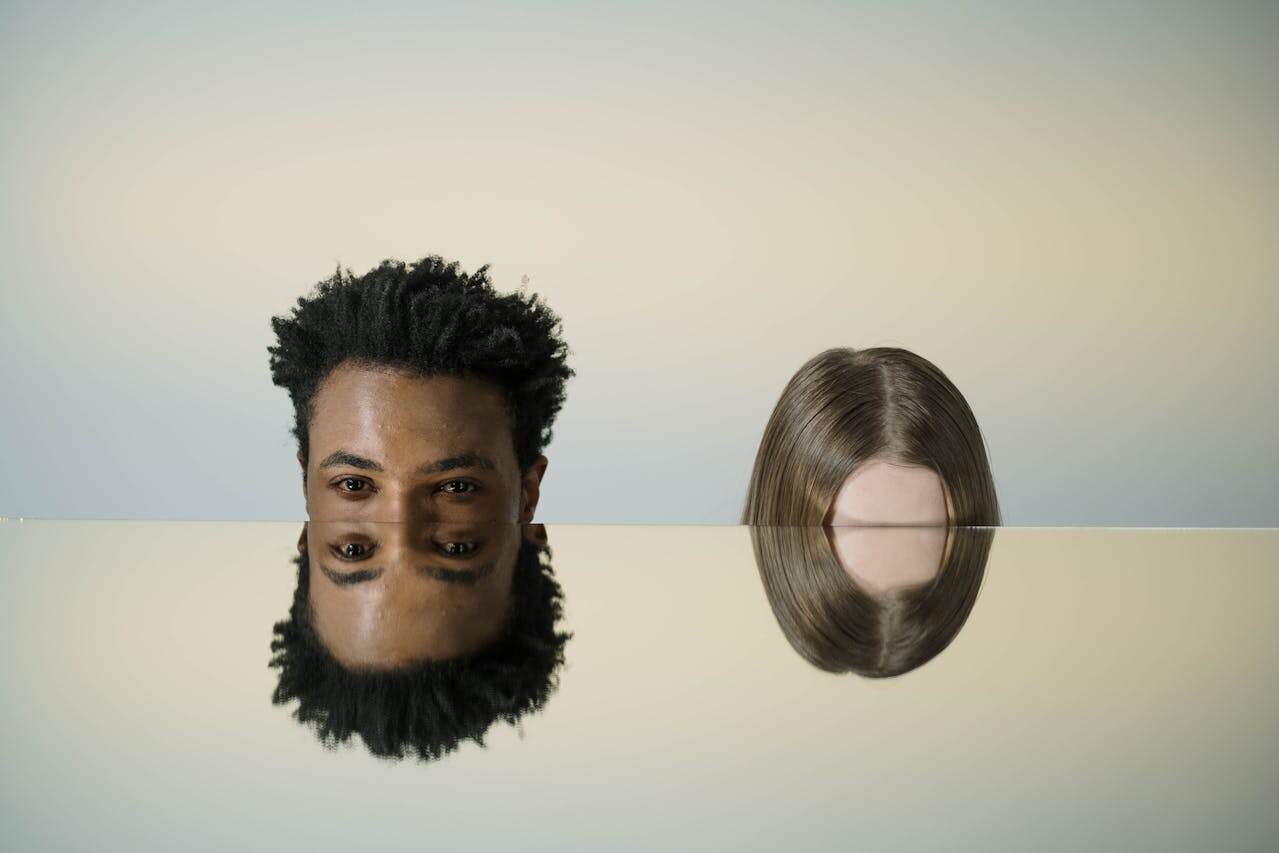
Male vs. Female Hair Loss Patterns
Whilst both men and women experience hair loss, the patterns and presentations differ significantly between the genders.
Male Pattern Hair Loss Stats
Male pattern baldness typically follows a predictable progression. It often begins with a receding hairline at the temples, forming an “M” shape, and may progress to thinning at the crown. Over time, these areas of hair loss may expand and eventually merge, leading to more extensive baldness.
- The genetic component plays a significant role, with 14% of British men carrying gene activity associated with male pattern baldness. This hereditary condition, known as androgenetic alopecia, is the most common cause of hair loss in men.[9]
Female Pattern Hair Loss Stats
Women experience hair loss differently. Rather than developing bald patches, women are more likely to suffer from diffuse thinning hair at the top of the head and a widening hair parting. This pattern maintains the frontal hairline whilst reducing overall hair density across the scalp.
- With women representing 40% of all hair loss sufferers,[2] the female experience of hair loss deserves equal attention and specialised treatment approaches. Female hair loss can be particularly distressing due to societal expectations around women’s appearance and the cultural significance placed on feminine hair.
The Psychological Impact of Hair Loss
The statistics around hair loss extend beyond physical changes to encompass significant psychological and emotional dimensions. Research from Lloyd’s Pharmacy reveals concerning insights into how hair loss affects mental wellbeing.
- A striking 89% of those experiencing hair loss believe there is a negative stigma associated with the condition.[6] This perceived stigma can lead to social anxiety, reduced self-confidence, and reluctance to seek help or discuss the issue openly.
- Even more telling, 12% of respondents reported feeling betrayed by their bodies when they experienced hair loss.[6] This sense of betrayal reflects the emotional distress that can accompany visible changes to one’s appearance, particularly when those changes feel beyond one’s control.
The psychological impact of hair loss shouldn’t be underestimated. Hair often forms a significant part of personal identity and self-image. When that begins to change, it can trigger feelings of ageing, loss of attractiveness, and diminished self-worth. Understanding these emotional dimensions is crucial for providing comprehensive care that addresses both the physical and psychological aspects of hair loss.

How People Respond to Hair Loss
The statistics reveal interesting patterns in how people respond when they first notice hair loss, with significant variations across age groups.
Only 11% of men visit a clinic or consult a professional when they first notice their hair falling out.[6] This relatively low percentage suggests that many men either delay seeking treatment or attempt to manage the condition independently through over-the-counter products or lifestyle changes.
Age plays a crucial role in response patterns. Those aged over 55 were more likely to do nothing about their hair loss, with 29% of men in this demographic not trying any interventions.[6] This may reflect acceptance of hair loss as a natural part of ageing, resignation to the condition, or lack of awareness about available treatments.
Conversely, younger men show more initiative in addressing hair loss early. The 25-34 age group is most likely to seek professional consultation, with 13% making this their first step upon noticing hair changes.[6] This proactive approach amongst younger demographics may stem from greater awareness of treatment options, reduced stigma around seeking help, or stronger motivation to address the issue before significant progression occurs.
The gap between experiencing hair loss and seeking professional help represents a missed opportunity for early intervention. Many effective hair loss treatments work best when started early, before substantial follicle damage has occurred. The statistics suggest a need for greater education about the benefits of early professional consultation.
Expert Insights on Hair Loss
“Hair loss affects millions globally, but what many people don’t realise is that early intervention can make a significant difference in outcomes,” a leading trichologist specialising in hair and scalp disorders. “With 40% of men showing visible hair loss by age 35, and women representing 40% of all hair loss cases, we’re seeing an increasing number of patients seeking treatment earlier in their hair loss journey. The key is understanding that hair loss is a progressive condition—the sooner you address it with evidence-based treatments, the better your chances of preserving your existing hair and potentially stimulating regrowth.”
“What concerns me most is the 89% of patients who report feeling stigmatised by their hair loss. This psychological burden often prevents people from seeking help, creating a cycle where emotional distress compounds the physical condition. Modern hair restoration techniques, from medical treatments to advanced transplantation procedures, have never been more effective or accessible. No one should suffer in silence when so many solutions exist.”
Frequently Asked Questions
What percentage of men experience hair loss by age 50?
Between 40-65% of men experience noticeable hair loss by age 50, with the percentage increasing significantly as they approach 60 years of age. Research indicates that by age 60, approximately 65% of men show visible signs of hair loss or balding.[4]
Is hair loss more common in men or women?
Whilst hair loss is more commonly associated with men, women account for 40% of all hair loss sufferers.[2] Male pattern baldness affects 6.5 million men in the UK alone, but female hair loss is far more prevalent than many people realise, affecting millions of women worldwide.
How much hair loss is considered normal?
Losing 50 to 100 hairs per day is completely normal and part of the natural hair growth cycle.[8] Women typically lose around 100 hairs daily. Hair loss becomes concerning when shedding exceeds 100-150 hairs per day or when you notice visible thinning, bald patches, or a widening part.
At what age does hair loss typically begin?
Hair loss can begin at any age, though it becomes increasingly common with age. Statistics show that 40% of men display signs of hair loss by age 35, with this percentage rising to 65% by age 60 and 80% by age 80.[4] However, some individuals experience hair loss in their twenties or even earlier.
Can hair loss be reversed?
The reversibility of hair loss depends on the underlying cause. Hereditary hair loss (androgenetic alopecia), which is the most common type affecting 80 million individuals in the US,[4] cannot be completely reversed but can often be slowed or partially regrown with medical treatments like minoxidil or finasteride. Hair loss caused by stress, nutritional deficiencies, or certain medical conditions may be reversible when the underlying cause is addressed.
Why do people feel stigmatised by hair loss?
Research shows that 89% of people experiencing hair loss believe there is a negative stigma associated with the condition.[6] This stigma likely stems from societal associations between full hair and youth, vitality, and attractiveness. Additionally, 12% of people report feeling betrayed by their bodies when experiencing hair loss,[6] highlighting the emotional impact of this physical change.
Take Action Against Hair Loss Today
Understanding the statistics behind hair loss is the first step towards taking control of your hair health. Whether you’re amongst the 40% of 35-year-old men experiencing early signs of hair loss, part of the 40% of women dealing with thinning hair, or simply concerned about the 50-100 hairs you’re seeing on your pillow each morning, professional guidance can make a significant difference.
Don’t be part of the 89% who feel stigmatised or the 29% of men over 55 who do nothing about their hair loss. Modern hair restoration treatments offer proven solutions for preserving your hair and restoring your confidence.
Ready to address your hair loss concerns? Schedule a consultation with our hair restoration specialists today to explore personalised treatment options tailored to your specific type of hair loss, whether you’re experiencing male pattern baldness, female pattern thinning, or excessive shedding. Our expert team can assess your condition and recommend evidence-based treatments ranging from medical therapies to advanced surgical solutions.
Explore our hair loss services:
Early intervention is key with treatments most effective when started before significant follicle damage occurs. Take the first step towards healthier hair by contacting our clinic today.
References
- Yahoo Finance. Hair Restoration Market Growth & Trends. Available at: https://finance.yahoo.com/news/hair-restoration-market-growth-trends-134100620.html
- UCLA Health. What Causes Female Hair Loss. Available at: https://www.uclahealth.org/news/article/what-causes-female-hair-loss
- American Osteopathic College of Dermatology. Androgenetic Alopecia. Available at: https://www.aocd.org/page/AndrogeneticAlopecia
- Cleveland Clinic. Hair Loss. Available at: https://my.clevelandclinic.org/health/diseases/21753-hair-loss
- Get Lab Test. How Many Strands of Hair. Available at: https://www.getlabtest.com/news/post/how-many-strands-hair
- Lloyd’s Pharmacy Online Doctor. UK Male Hair Loss Report. Available at: https://onlinedoctor.lloydspharmacy.com/uk/hair-loss-advice/uk-male-hair-loss-report#breaking-the-negative-stigma-and-embracing-hair-loss
- Get Lab Test. How Many Strands of Hair. Available at: https://www.getlabtest.com/news/post/how-many-strands-hair
- NHS. Hair Loss Symptoms. Available at: https://www.nhs.uk/symptoms/hair-loss/
- Mayo Clinic. Hair Loss – Symptoms and Causes. Available at: https://www.mayoclinic.org/diseases-conditions/hair-loss/symptoms-causes/syc-20372926