


Spring sunshine is undoubtedly welcome, but the brighter daylight and warmer weather can influence hormones and circadian rhythms that subtly affect hair cycles. This can contribute to seasonal hair shedding. Seasonal hair shedding is a temporary, natural increase in hair loss, typically peaking in the spring and autumn.
The good news is that seasonal hair shedding is usually temporary and part of the natural hair growth cycle, meaning normal growth typically resumes as follicles return to the active phase.
However, in the meantime, there are many hairstyles that can conceal the appearance of thinning hair, while ensuring you feel cool and don’t need to worry about rogue gusts of wind uncovering thin spots.
However, If thinning has become more noticeable and has gradually worsened over the years, it may be a sign of ongoing hair loss, and exploring appropriate hair loss treatments could be worth considering.
Effects of Spring on Thin Hair: Key Takeaways
- Seasonal shedding is a reality for many, and for those with thin hair, telogen effluvium, which is more common in the spring following the cool temperatures of winter, can expose a thinning hairline.
- Pollutants and irritants like pollen, combined with increased sweat, can affect the health of the scalp, and therefore the visible appearance of fine, thin or shedding hair.
- Wearing a shorter, lighter style may be ideal, removing the weight of longer lengths dragging down on the follicles and ensuring hair is styled to look full and thick.
Why Does My Thinning Hair Look Worse in the Spring?
While we all know that pets shed more in the spring, it’s often a surprise to realise this applies to us too – and it’s natural to see a little more shedding as temperatures increase and our follicles head into resting phases.
Hair follicles don’t grow continuously. Hair transitions through stages over a five- to seven-week cycle, including the resting (telogen) stage, which is triggered by fluctuations in ambient heat, increased exposure to sunlight, and even hormonal changes.
This is why anyone with thin or light hair, or who has seen diffuse thinning where their hair appears a little less dense across the head, might feel that thinning is more visible, or they can see their scalp more easily through the hair.
How Can I Stop My Hair From Thinning More in Warmer Weather?
Focusing on hair health and maintaining regular trims are good ways to improve the appearance of your hair, and you can consider treatments like PRP therapy and thickness-boosting shampoos, as well as medications for hair loss, such as minoxidil, if you are concerned about ongoing thinning.
Thinning hair is a type of hair loss that is most often due to genetics, but is also caused by over-treating hair with dyes and relaxers, restrictive hairstyles, nutrient deficiencies, and chronic stress. [1]
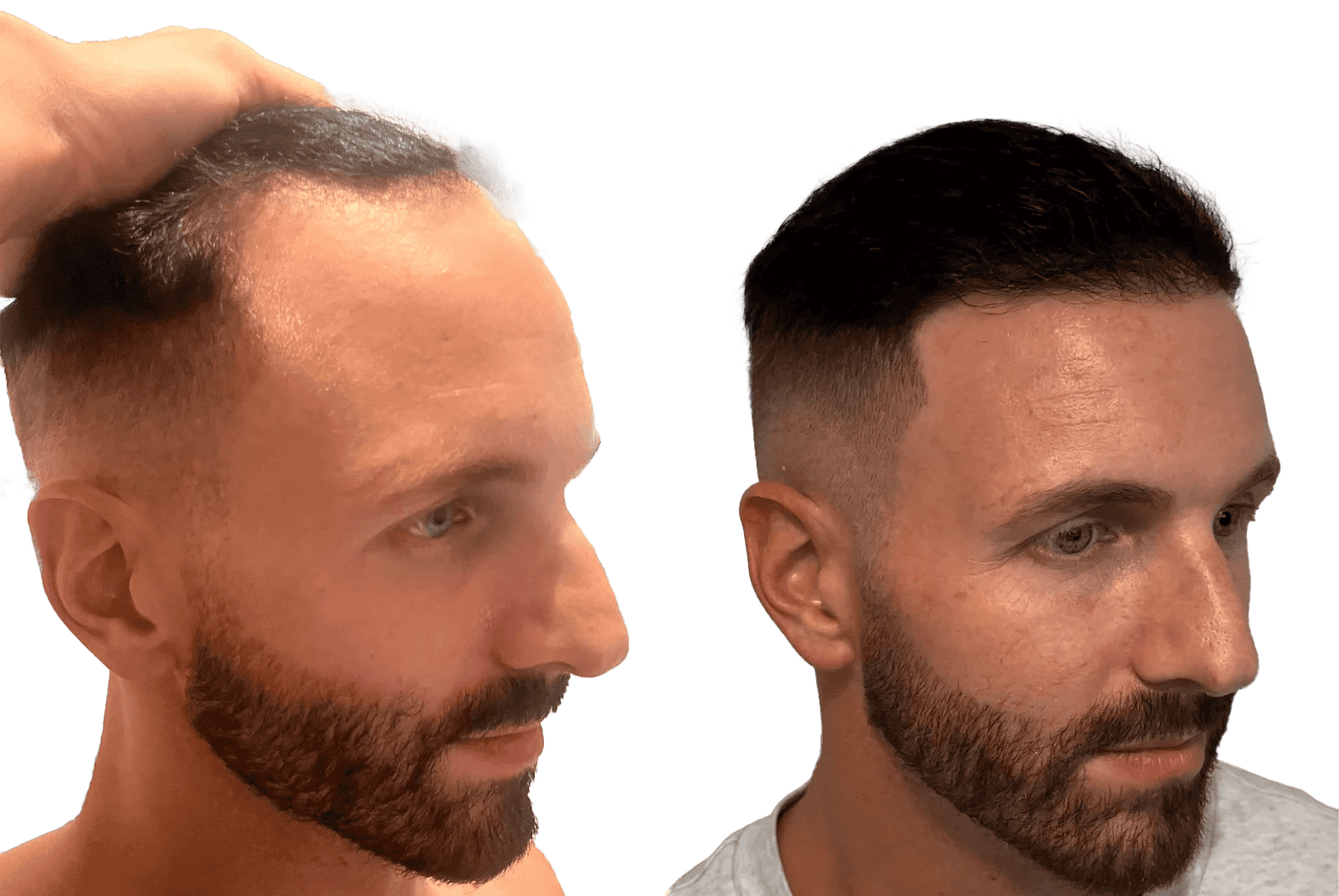
However, if hair loss is continuous and worsening over time, it may be a sign to consider a hair transplant.
Example Thinning Hair Treatments
There are multiple options to treat hair thinning as follows:
| Treatment for Thinning Hair | Applications |
| Supplementation | Addressing nutritional deficiencies can make a big difference if thin hair is due to a lack of essential vitamins and minerals. Studies have also shown that supplements containing ingredients such as marine blends and vitamin C can be beneficial for women with thinning hair. [2] |
| Non-surgical therapies | PRP and laser therapies are known to boost follicular activity and can prompt thicker, stronger hair growth. |
| Shampoos | Thickening shampoos can make an impact on the outward look of your hair (view the study here). |
| Hair transplants | Transplants may be an option if thinning is affecting your confidence and well-being. |
What Are the Best Spring Hairstyles for Thinning Hair?
Texture and blunt ends are great ways to ensure thinning hair looks fuller and thicker, and if you’re not at a stage where a hair restoration intervention is an option, or isn’t something you wish to look into, you could consider the following:
Men’s styles for thinning hair:
- Short textured crops, where choppy layers add movement and make thinning hair appear fuller.
- Buzz cuts, which keep hair evenly short so thinning areas blend in and look intentional.
- Crew cuts, where slightly longer hair on top adds subtle volume while the sides stay short and tidy.
- Tapered or faded styles, which keep the sides tight and draw attention to the fuller hair on top.
- Short quiffs or textured tops, styled forward or slightly upward to create the appearance of more density.
Womens styles:
- Pixie cuts, where short layers improve the volume of hair at the top of your head.
- Blunt, chin-length bobs with a straight cut that looks thicker and denser without thin, sparse ends.
- Longer layered styles with the layers providing movement and giving the look of thicker, choppier hair.
- Side partings or fringes that cover thinner spots at the temples or crown.
Although it’s common to think longer hair will improve the appearance of thinning hair, the opposite is true, because it can seem dull, lifeless and limp, which is why adding layers makes such an impact.
Cutting your hair can feel like a big step because many people with thin hair try to grow it as long as possible, but a shorter cut is worthwhile, and you could start with a small trim to get used to a different length.
How Can I Style My Hair to Disguise Thinning?
Modern styling products have evolved, and you can use volumising sprays to add volume to your hair or textured dry shampoos to lift it from the roots, making it look bigger and bouncier.
KSL Clinic says, ‘Styling can indeed help to make thinning hair look healthier, but we’d advise against using high-heat curling tongs, straighteners or hair dryers because this can sap moisture from the hair and make strands even finer and more brittle.’
Rather than going for a uniform, straight look, adding choppy layers and using wax or mousse to create textured waves that will last throughout the day will make hair look fuller, with options to flip your hair over to one side if you have thinning in a specific area.
Get a cost for your hair transplant
Looking for a consultation regarding the hair transplant cost? Book a free consultation with us today to see what we can do for you.
Frequently Asked Questions
Why does my hair seem thinner in spring?
Seasonal changes can influence the hair growth cycle. As daylight hours increase, some hair follicles shift into a resting phase, which can lead to slightly increased shedding and make thinning appear more noticeable.
How long does seasonal hair shedding last?
Seasonal shedding typically lasts a few weeks to a few months before hair growth returns to its usual pattern as follicles re-enter the active growth phase.
Why does my scalp look more visible in spring?
Stronger natural light and flatter winter hair can make the scalp easier to see. Increased shedding during seasonal transitions can also reduce density temporarily.
How can I care for thinning hair in spring?
Gentle hair care can help reduce breakage. Avoid excessive heat styling, use nourishing hair products, and maintain a balanced diet rich in protein, iron, and vitamins that support healthy hair growth.
What Is a Quick Way to Make Thinning Hair Look Healthier?
A volumising spray or powder applied to the roots offers an instant uplift, and while it won’t make a long-term difference, it can ensure you are comfortable with the appearance of your hair.
Is seasonal hair shedding normal?
Seasonal hair shedding is normal. Many people experience seasonal hair shedding, where more hairs enter the resting (telogen) phase before naturally shedding. This is usually temporary and part of the normal hair cycle.
Does sunlight cause hair loss?
Sunlight does not directly cause hair loss. However, brighter daylight can make thinning more visible, and seasonal changes may subtly influence hormones and biological rhythms that affect hair cycles.
Can allergies or spring health changes affect hair?
In some cases, stress, dietary changes, or inflammation linked to seasonal allergies may contribute to temporary hair shedding.
When should I see a specialist about hair thinning?
If thinning has gradually worsened over time, if shedding is excessive, or if you notice patchy hair loss, it may be worth speaking to a hair specialist to explore potential treatments.
Why does my hair seem thinner in spring?
Seasonal changes can influence the hair growth cycle. As daylight hours increase, some hair follicles shift into a resting phase, which can lead to slightly increased shedding and make thinning appear more noticeable.
Is seasonal hair shedding normal?
Seasonal hair shedding is normal. Many people experience seasonal hair shedding, where more hairs enter the resting (telogen) phase before naturally shedding. This is usually temporary and part of the normal hair cycle.
How long does seasonal hair shedding last?
Seasonal shedding typically lasts a few weeks to a few months before hair growth returns to its usual pattern as follicles re-enter the active growth phase.
Does sunlight cause hair loss?
Sunlight does not directly cause hair loss. However, brighter daylight can make thinning more visible, and seasonal changes may subtly influence hormones and biological rhythms that affect hair cycles.
Why does my scalp look more visible in spring?
Stronger natural light and flatter winter hair can make the scalp easier to see. Increased shedding during seasonal transitions can also reduce density temporarily.
Can allergies or spring health changes affect hair?
In some cases, stress, dietary changes, or inflammation linked to seasonal allergies may contribute to temporary hair shedding.
How can I care for thinning hair in spring?
Gentle hair care can help reduce breakage. Avoid excessive heat styling, use nourishing hair products, and maintain a balanced diet rich in protein, iron, and vitamins that support healthy hair growth.
When should I see a specialist about hair thinning?
If thinning has gradually worsened over time, if shedding is excessive, or if you notice patchy hair loss, it may be worth speaking to a hair specialist to explore potential treatments.
What Is a Quick Way to Make Thinning Hair Look Healthier?
A volumising spray or powder applied to the roots offers an instant uplift, and while it won’t make a long-term difference, it can ensure you are comfortable with the appearance of your hair.