

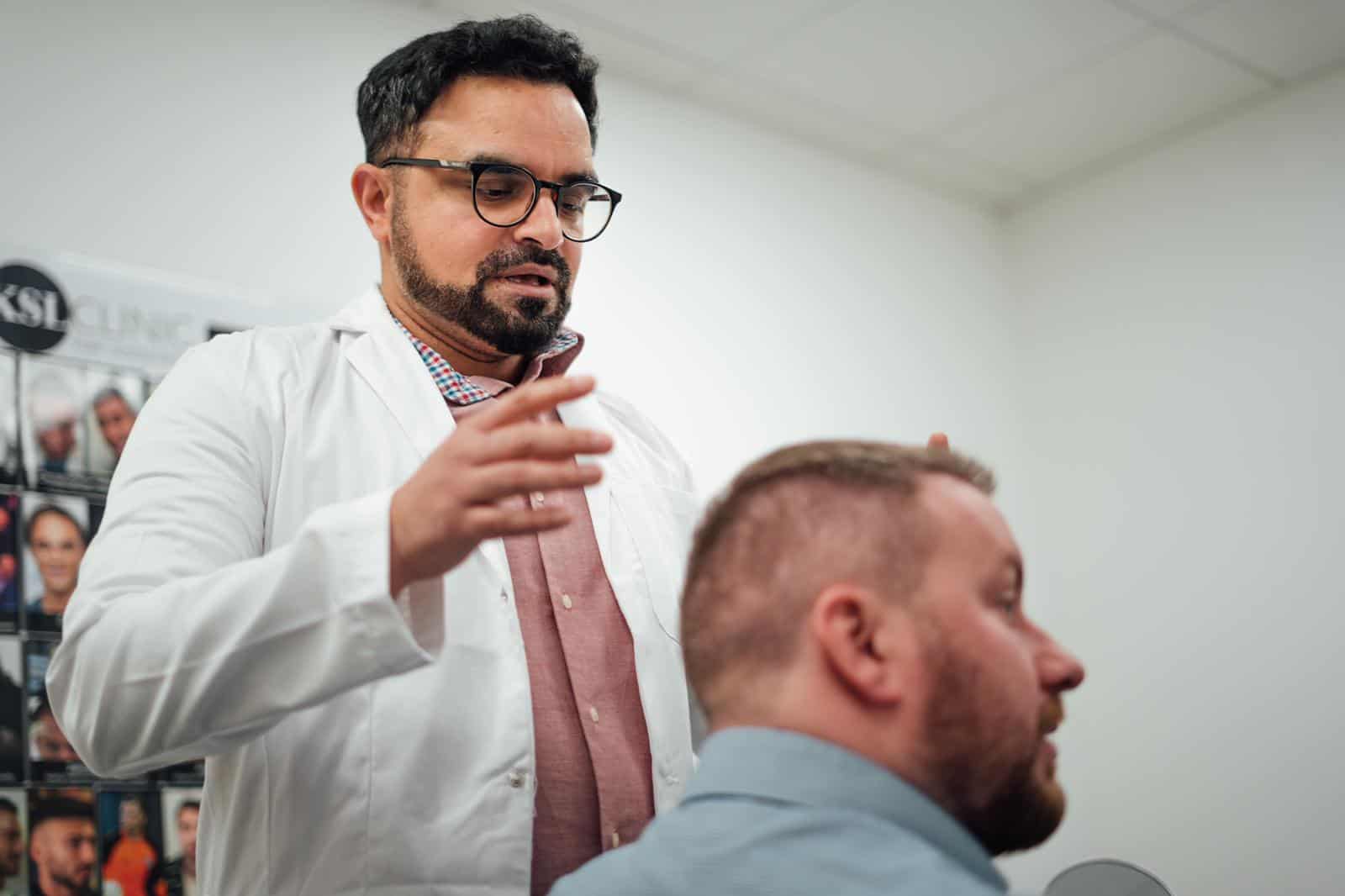
Hair loss doesn’t have to be an inevitable part of getting older. Taking action to slow pattern hair loss or restore the health of your scalp through therapies, medications, and lifestyle changes can help avoid excessive hair loss and prevent thinning from getting worse.
The extent to which you can prevent hair loss depends on the reasons for hair loss, because if shedding is caused by stress, lowering your stress levels could have a marked improvement on your hair health, whereas thinning caused by androgenetic alopecia will require an intervention to prevent further shedding.
Treatments such as platelet-rich plasma and laser treatments can have significant impacts on patients with initial hair loss [1], and advancements are also being studied, including stem cell and gene therapies. In this guide, we discuss how you can prevent hair loss before it gets worse.
Preventing Hair Loss before it gets worse: Key Takeaways
- Maintaining good scalp health, a balanced diet and gentle hair care habits can help protect hair follicles and slow down hair loss.
- Identifying the underlying cause of hair loss early allows the right treatments or lifestyle changes to be introduced before thinning progresses further.
- Treatments such as topical solutions, PRP, LLLT or a hair transplant can help the appearance of hair loss.
What Are the Main Ways to Prevent Hair Loss?
Hair loss occurs for numerous reasons, and preventing further thinning could mean changing medications, adjusting your diet, improving your scalp health, or scheduling specific treatments to restore your hairline.
| Hair Loss Prevention Option | How it Works |
| Medical treatments | Prescribed medications such as finasteride for men and minoxidil for all patients can help slow hair loss. |
| Lifestyle changes | Managing your stress levels, eating a balanced diet. |
| Hair and scalp health | Minimising tight, restrictive hairstyles and high-heat styling will boost the health and condition of your hair and scalp. |
| Laser hair treatment | Red light therapies improve blood flow to the scalp and can stimulate inactive follicles to produce new hair. |
| PRP treatments | Platelet-rich plasma treatments, using bioactive compounds extracted from your blood to stimulate follicular growth. |
| Hair transplant surgery | FUE transplants are minimally invasive and involve the extraction of individual donor follicles for transplantation in the target area. |
Why Does the Right Hair Loss Prevention Treatment Matter?
As we’ve explained, hair loss can be triggered by factors such as stress, hormones, inflammation, and underlying medical conditions, which is why professionals won’t prescribe the same treatment plan for every patient.
Acting sooner to avoid and control hair loss is always advisable, and the huge range of treatments means there is usually a therapy or intervention that can help.
Get a cost for your hair transplant
Looking for a consultation regarding the hair transplant cost? Book a free consultation with us today to see what we can do for you.
What Are the Signs I Need to Do Something to Prevent Hair Loss From Worsening?
Hair thinning and loss is gradual, and it’s not always obvious when this has begun – but noticing changes in the thickness or feel of your hair, or spotting your scalp showing through, could all mean you have early-stage hair loss.
You can look out for:
- A wider parting in your hair
- More hair on the pillow or in the shower
- Hair that feels thinner
- Being able to see your scalp
It is also advisable to contact your GP or a hair restoration professional if you’re seeing bald patches or spots of missing hair, thinning hair that is quickly getting worse, or no improvement after trying varied treatments.
Read more about the signs of hair loss here.
How Can I Slow Down Hair Loss?
The first step might be to look at your diet and ensure you’re getting plenty of natural proteins, nuts, seeds and whole grains.
Sensitive hair should also be washed with gentle shampoos, and tight hairstyles and aggressive brushing should be avoided, as they can aggravate the follicles.
If you’re worried about hair loss, you can try topical treatments like minoxidil or finasteride tablets, available for men only by prescription, and focus on good sleep and hydration, which all contribute to scalp health.
Should you still have thinning hair, or want to take more decisive steps to protect your hair, you could consider:
- Laser hair treatments, as mentioned, which uses red light therapy to improve the health of your scalp and follicles.
- PRP therapy, used to stimulate cellular healing and prompt growth within dormant follicles.
- A hair transplant should hair hair loss be moderate to severe.
Frequently Asked Questions
Can hair loss be prevented completely?
Not all types of hair loss can be prevented, particularly genetic hair loss. However, early intervention, healthy lifestyle habits and appropriate treatments can often slow the progression and help maintain hair density for longer.
What Vitamins Should I Take to Prevent Hair Loss?
Whilst vitamins alone cannot prevent hair loss, there are several essential nutrients that can help restore the health of your scalp, including zinc, iron, biotin and vitamin D. It’s best to speak with a professional or a medical practitioner if you believe you may have a vitamin deficiency.
Is There a Shampoo That Can Prevent Hair Loss?
Shampoos can help support scalp health and reduce some causes of hair shedding, but they usually cannot stop or prevent hair loss on their own.
Most hair loss shampoos work by improving the condition of the scalp. Ingredients such as ketoconazole, zinc or antifungal compounds can reduce inflammation, control dandruff and improve the environment around hair follicles, which may help reduce shedding in some cases.
Can I Really Prevent Hair Loss Once it Has Started?
There are advanced treatments and therapeutic products known to combat hair loss and thinning once it has started, though the best options will depend on your hair and the reasons for shedding.
Can hair loss be prevented completely?
Not all types of hair loss can be prevented, particularly genetic hair loss. However, early intervention, healthy lifestyle habits and appropriate treatments can often slow the progression and help maintain hair density for longer.
Is There a Shampoo That Can Prevent Hair Loss?
Shampoos can help support scalp health and reduce some causes of hair shedding, but they usually cannot stop or prevent hair loss on their own.
Most hair loss shampoos work by improving the condition of the scalp. Ingredients such as ketoconazole, zinc or antifungal compounds can reduce inflammation, control dandruff and improve the environment around hair follicles, which may help reduce shedding in some cases.
What Vitamins Should I Take to Prevent Hair Loss?
Whilst vitamins alone cannot prevent hair loss, there are several essential nutrients that can help restore the health of your scalp, including zinc, iron, biotin and vitamin D. It’s best to speak with a professional or a medical practitioner if you believe you may have a vitamin deficiency.
Can I Really Prevent Hair Loss Once it Has Started?
There are advanced treatments and therapeutic products known to combat hair loss and thinning once it has started, though the best options will depend on your hair and the reasons for shedding.