

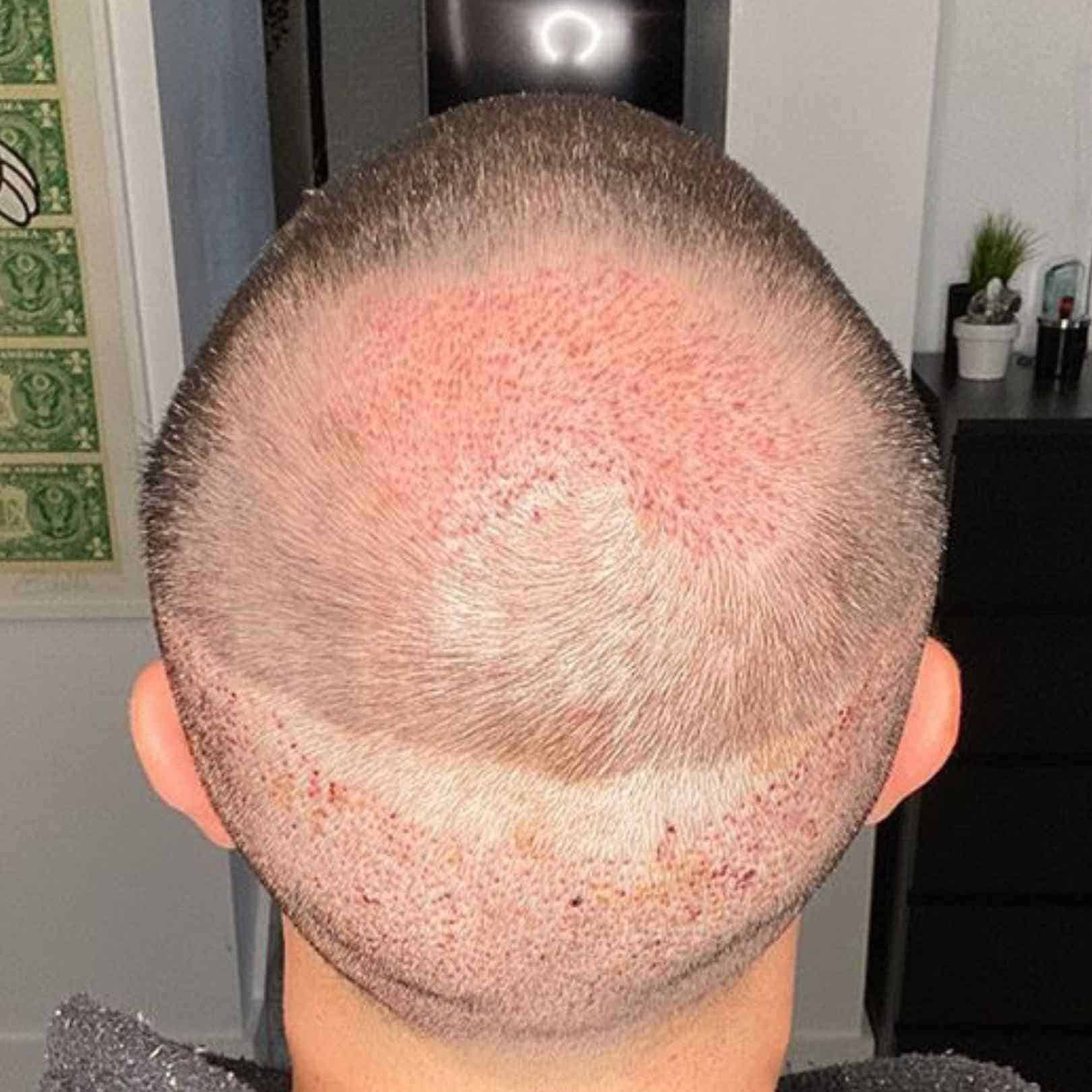
One primary reasons that we see patients for a consultation before quoting a hair transplants is to verify that there are plenty of healthy, thick donor follicles we can use to replenish the affected areas.
If there aren’t enough donor hairs, this may mean a transplant simply isn’t viable and you’ll need to pursue other hair loss treatments. However, in many cases, there are options to schedule regenerative therapies to help stimulate thicker growth, which may improve your suitability for a hair transplant in the future, although this cannot be guaranteed.
At the same time, we will never perform a hair transplant if we think there aren’t enough donor hairs. This will always have a limited impact, at best, or deliver an unsatisfactory result, with further hair loss around the areas where sparse donor hairs have been removed.
Donor Hair Quantities and Hair Transplants: Quick Facts
- Checking the availability of viable, healthy donor hairs is essential in any hair transplant procedure. Reputable providers will not agree to schedule a transplant without first verifying that there are enough donor hairs for a hair transplant.
- Donor hairs are typically taken from dense and thick growth areas at the back of the scalp. This matters because the removal of donor follicles should never have a visible impact on the appearance of the donor site, such as over-harvesting, which could create bald spots.
- In rare cases, other natural follicles can be used for a scalp transplant. However, this will depend on whether those follicles match the colour, texture and characteristics of the hair in the transplant area.
Why Have I Been Told I Don’t Have Sufficient Donor Hair for a Transplant?
Every patient is different; therefore, the number of grafts we need to prepare and transplant will be based on the location and extent of hair loss or the amount of hair thinning and patchy growth they wish to correct.
Limited donor follicles don’t always mean that there simply isn’t enough remaining hair. This can happen if the donor area is weaker and many of the follicles are damaged or thin, or the hair is already so sparse that we wouldn’t consider removing any follicles to transplant elsewhere.
Our surgical teams won’t proceed with a transplant if we know that collecting enough donor hair to cover the hair loss site will lead to overharvesting. This is a surprisingly common issue, especially with low-quality hair transplants.
It means that too many follicles have been taken from the donor area, leaving the patient with visible hair loss, patches of baldness or even clusters of scarring.

Not enough donor hair
What Happens if I Have Insufficient Donor Follicles to Make a Hair Transplant Viable?
There are several recommendations we might make, as always, based on your hair loss and scalp health. These could include:
- Partial transplants, potentially focusing on areas of hair loss that have the greatest impact on your confidence or replenishing some elements of thinning hair but without the density of coverage you would ideally like.
- Considering alternative parts of the scalp or body with suitable donor hairs. This is a less standard and unusual option and does have limitations, which means it won’t always be advisable.
- Concentrating on recovering the density and health of remaining follicles and reactivating dormant follicles to produce more hair that could be used as donors.
- If a hair transplant isn’t viable due to insufficient follicles, we may recommend other hair loss options such as a hair system (although this isn’t something we provide).
Free consultation
Looking for a consultation for your hair transplant? Book a free consultation with us today to see what we can do for you.
Why Can’t I Use Other Hair Instead of Scalp Hair as Donor Follicles for a Hair Transplant?
We mentioned earlier that there are circumstances where body hair might be used for a transplant, but this isn’t generally suggested for the following reasons:
- Hair transplants look natural because they use your own donor follicles rather than anything synthetic or that doesn’t replicate the exact pattern and appearance of your other hair shafts.
- Selecting the donor site and checking that there is the right growth density is crucial, as is looking for donor areas with hairs that have the same characteristics as other growth around the location of your hair loss.
- Body hair typically has a very different texture, colour, and thickness from scalp hair. Although scalp hair is often used for facial hair and eyebrow transplants, it isn’t normally a viable option for scalp transplants.
The best way to assess your suitability for a hair transplant and check whether you have enough donor hair for the procedure is to speak with one of the KSL Clinic consultants. A free, no-obligation appointment is available at any of our nationwide branches.
We’ll assess your hair and scalp, review the number of donor follicles needed, and advise whether we can proceed or recommend a strategy to better prepare you for a hair transplant in the future.
Why Realistic Expectations Are Essential in Any Hair Transplant Procedure
“The consultation process is vital. It gives us a chance to chat with potential patients, discuss their desired outcomes, and determine whether or not these can be achieved.”
Dr Matee
Even the best-skilled surgeons cannot deliver full hair restorations across the entire scalp without donor follicles to work with, and thus, we consider open communications a core part of our service.
That includes talking about the right donor area to use, the number of follicles we calculate needing, and having access to healthy, high-quality hair that will cover the transplant site without resulting in the overharvesting we’ve mentioned.
Likewise, ongoing hair loss needs to be stabilised before a hair transplant. Active and progressive hair loss will continue if left untreated, which could mean a patient needs further hair transplant procedures in the future.
Fortunately, there are several non-surgical therapies and topical medications we can suggest that bring hair loss under control, although it may take anywhere from six months to a year before balding is managed enough to make a hair transplant a good option.