
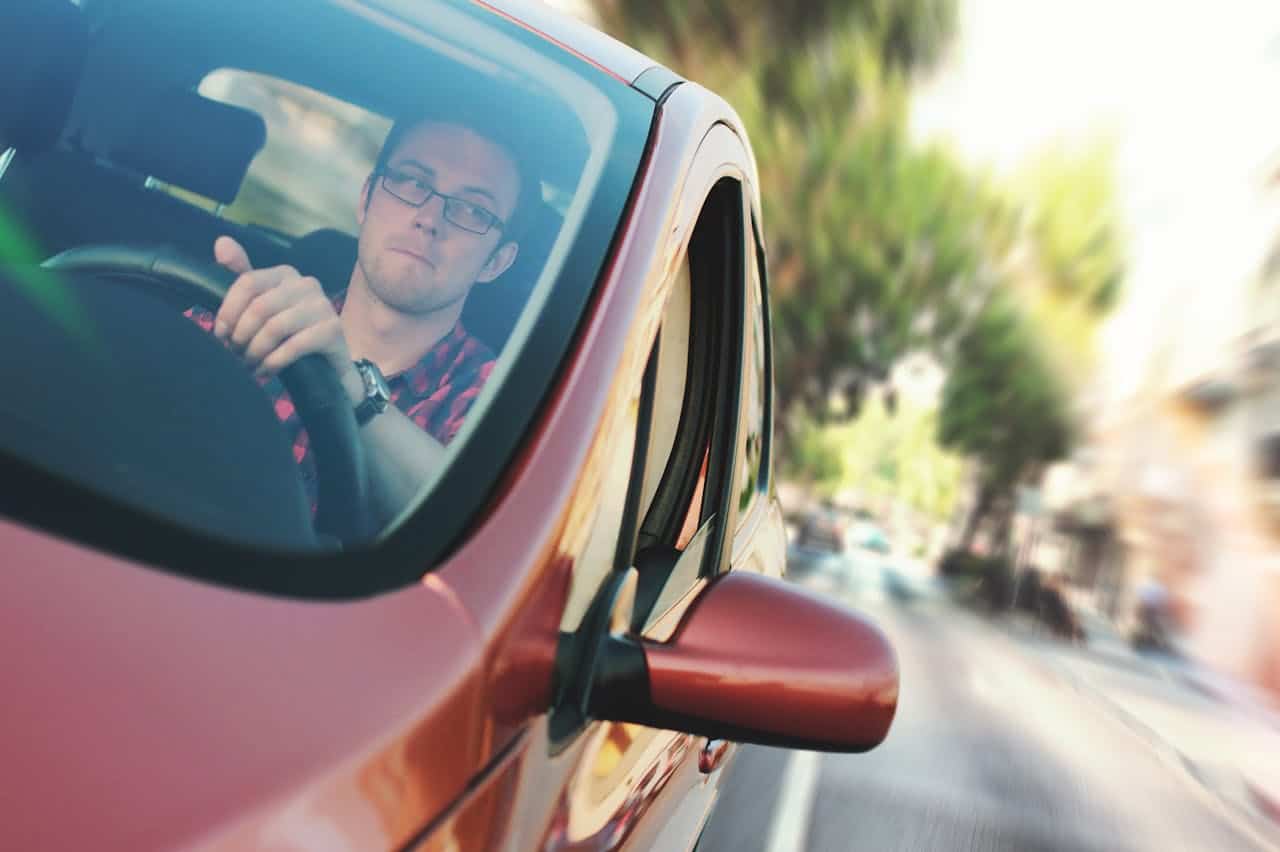
It’s not advisable to drive immediately after a hair transplant – most patients wait at least 2 hours to drive home. It’s important to plan your transport as part of your post-procedure care.
Although hair transplants are a minimally invasive process that is completed under local anaesthesia, it’s still important to exercise caution after the procedure.
Using localised pain relief ensures the procedure is pain-free, allowing patients to remain awake and conscious throughout. But it’s common to feel a little drowsy or sleepy after local anaesthesia, which is why we wouldn’t suggest driving for a couple of hours after your hair transplant.
Regardless, it’s always a good idea to have a friend or partner drive you to and from your procedure or use local accommodation to avoid any need to rush home or attempt driving or using public transport on the same day.
Driving After a Hair Transplant: Quick Facts
- Local anaesthetics are hugely preferable since they avoid many of the risks linked with general anaesthetics, where the patient is asleep and unaware. That doesn’t mean you’ll feel 100% aware and focused, and many people feel groggy for a couple of hours after the procedure.
- Thinking through the practicalities makes a hair transplant stress-free, without worrying about how you’ll get home, where you’ll stay, or trying to navigate a packed train or tube directly after you’ve undergone a hair transplant.
- Finding the right options that allow you to prioritise rest and recovery is key, and avoiding driving for a few hours, even short distances, remains essential to ensure you don’t put yourself or other road users at risk.
Reasons We Advise Against Driving After a Hair Transplant
Any form of painkiller or anaesthesia can impact our reflexes and judgement, which means a local anaesthetic has the potential to leave a patient feeling drowsy and with delayed reaction times.
This alone is a strong argument against driving immediately post-transplant, and longer for procedures with a larger number of grafts, where the patient will have been under local anaesthetic for an extended period.
It may be a good idea to find alternative transport or accommodation options for your own comfort:
- Most hair transplant patients take general pain relief or anti-inflammatory medications to minimise soreness and swelling as much as possible after a hair transplant.
- Undertaking a stressful or long journey can impact your ability to relax and rest, which can have a serious effect on the way your scalp and hair heal and recover.
- Exposure to stress or the need to make sudden head movements could even dislodge your grafts, especially if your head is rubbing against the car’s headrest.
Either pre-booking a taxi or private driver, having a friend or family member help with your transport to and from the clinic, or reserving a hotel room overnight are all safer solutions and won’t put you, your hair transplant, or other drivers in harm’s way.
- Related reading: Where to stay in Manchester after your hair transplant
- Related reading: Where to stay in Kent after your hair transplant
Advice on Arranging Transport Following a Hair Transplant
Most patients who live close to one of KSL Clinic’s nationwide practices drive home within 2 hours or pre-organise transport through a friend or taxi service. That means they don’t need to factor in the cost of a hotel or other accommodation and can head home once they feel ready.
This is perfectly fine, and most people recover best when they’re in familiar surroundings.
Other options may be better suited for patients with a longer journey ahead, especially if it involves complex road systems, fast motorways, or using public transport, which can become crowded.
We’ve published separate guides with accommodation recommendations, and any of the KSL Clinic locations will be happy to provide more suggestions during your consultation if you’re concerned about finding the best place to stay.
Get a cost for your hair transplant
Looking for a consultation regarding the hair transplant cost? Book a free consultation with us today to see what we can do for you.
Why Do Some Hair Transplant Clinics State That Patients Can Drive Post-Procedure?
Technically, some patients may feel fit and able to drive themselves home over a short distance, but for the reasons we’ve covered, this isn’t something we’d advocate for here at KSL Clinic.
There are also secondary considerations, because:
- Many patients feel apprehensive or nervous about their procedure. They may take a prescribed relaxant or anti-anxiety medication, all of which means they won’t be advised to drive for at least a few hours.
- Anti-anxiety and pain relief medicines usually work through the body gradually, and it’s normal for about half of the dosage to remain in the system for up to 16 hours, depending on the person’s physical characteristics and the size of the dose.
- Post-transplant, some patients may feel dizzy or mildly unwell, and during this time, rest is essential. Driving and having a sudden onset of soreness or discomfort can have a dramatic impact on concentration levels and isn’t a risk worth taking.
While each patient can make their own judgments about the pain relief and anti-anxiety medications they might need or prefer, and whether they feel competent driving, we cannot advise this.
How Soon After a Hair Transplant Will I Be Safe to Drive?
Hair transplant procedures can take up to several hours, and the general rule of thumb is that local anaesthetic will start to wear off progressively from around three hours after the last dose has been administered.
As always, this depends on the person, and some individuals metabolise medicines at different rates and may feel sharp and alert far sooner than others.
However, it’s also important to consider how tired you might be after a procedure that lasts several hours, which can have as significant an impact on your ability to focus as the effects of the anaesthetic.
Very generally, patients are fine to drive a couple of hours after their hair transplant procedure, but only if they feel confident, have confirmed that all anaesthesia will have left their system, and don’t have a stressful journey ahead.