


For KSL clients, we will not undergo a hair transplant without being realistic with you about the expected density of the final outcome. However, For many patients of other clinics, finding that the new growth isn’t thick enough to cover areas of hair loss or discovering that the hair is so thin they can still see their scalp through the hair is enormously disappointing.
The period after a hair transplant, while you wait to see the results, can be anxious, especially if you have concerns that the outcomes may not meet your expectations or if you’ve travelled abroad for the procedure and don’t have any follow-up aftercare.
Corrective transplants are one of the highest-demand services here at KSL Clinic, and we can, of course, assist if you’ve found your transplant doesn’t look as you’d hoped. However, it may be a case of waiting a little longer if your transplant was completed very recently, since your final results may not yet be visible.
Timelines to Remain Conscious of When Waiting for Post-Hair Transplant Growth
- The first advice for anyone concerned that their transplant doesn’t look dense or thick enough is not to panic. We all have different paces of hair growth, and for some patients, their hair will grow thick and full but may take slightly longer.
- Most patients can see the end outcomes of a hair transplant after a year. Therefore, if it hasn’t been this long, it’s well worth taking great care of your hair and scalp health before worrying that you won’t see better results after the full regrowth period.
- However, if you had a transplant completed more than a year ago and still have sparse or thin growth, we recommend you contact your nearest KSL Clinic practice to arrange a consultation.
Factors That Contribute to Low Growth Density Following a Hair Transplant
Hair regrowth post-transplant takes time, and it’s never advisable to rush the process or to allow yourself to worry that your results won’t be everything you’d hoped for, particularly if it’s only been a few weeks or months.
There are many reasons you might initially see less thickness than you’d like, most of which will self-correct. These include:
- Shock loss, a normal and very natural part of the transplant recovery process, where follicles shed before producing new, healthy hairs. This tends to happen fairly quickly after a transplant and will soon be covered with fresh growth.
- Looking for results too soon without having given your scalp and transplanted follicles the time needed to enter the next growth phase.
- Side effects of medications, with some drugs linked to lower hair density. If you suspect this might be the case, it is worth consulting with your hair transplant surgeon or GP, as a switch to an alternative may remedy the issue.
There are also issues that can cause poor growth, some of which are down to your health and age, and others associated with improper aftercare or failing to follow the guidance provided by your surgeon.
For example, exposing your scalp to direct sunlight, contaminants, and harsh cosmetics in the days after a hair transplant could seriously affect the likelihood of thick new growth.
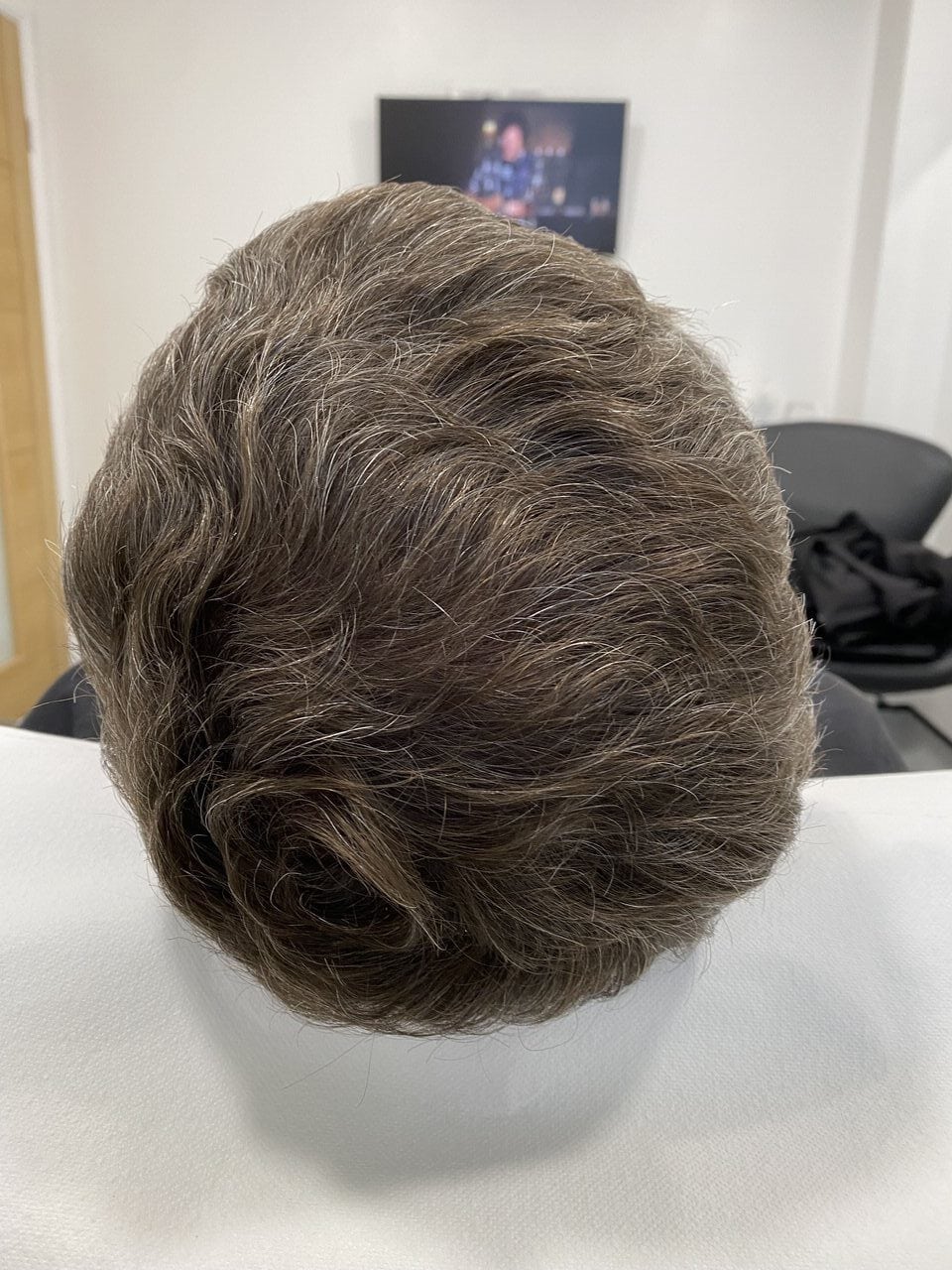
Dense hair coverage
How to Address Low Hair Density After a Hair Transplant Procedure
The general advice is to wait if it’s been less than a year because hair transplant regrowth takes around 12 months to reach its full capacity.
You can also keep track of progress by taking pictures, since it’s often tricky to tell for sure whether your hair has thickened just by looking in the mirror.
Of course, if you are genuinely concerned, you are advised to contact KSL Clinic and we’ll advise you.
If necessary, we may arrange a check-in where one of our specialists can review the growth rates and advise if there appear to be any issues.
You can also boost the speed of growth by adhering to all the aftercare instructions your surgeon has given you and by focusing on the following:
- Not touching the transplanted area for a minimum period of 2 weeks to allow the grafts to settle.
- After this keep your scalp clean without excessive washing. A clean scalp is ideal for healthy hair growth, but continual washing and using too many products can strip away the natural oils in the scalp, drying out your skin and impeding new hair growth.
- Avoid any prolonged exposure to heat or pressure. Styling with hair straighteners and hair dryers every day can damage your hair due to the heat involved, and too much or too aggressive brushing, styling, and pulling can slow down the rate at which your hair grows.
- Paying attention to a balanced diet and healthy nutrition. A diet rich in all the essential vitamins and minerals supports hair growth and better density, as does refraining from smoking or alcohol consumption, which you should limit as much as possible.
It’s also wise to stay out of direct sunlight for extended periods because sun exposure and even pollutants can impact hair growth and cause damage. Wearing a cap or scarf when outdoors, on holiday, or during hot weather protects your hair and scalp from burns, dryness, and irritation.
You can see our post hair transplant guide here.
Free consultation
Looking for a consultation for your hair transplant? Book a free consultation with us today to see what we can do for you.
When to Consult Your Hair Transplant Surgeon Over Density Concerns Post-Procedure
Hopefully, the information we’ve shared here has put your mind at ease, and you now know that if it’s only been a short period of time since your transplant or you’re starting to see new growth without a lot of density, it is simply a matter of waiting and continuing to care for your scalp.
However, patients with anxiety may find the best solution is to look for a convenient time to drop into their nearest KSL Clinic, where one of our colleagues can assess the speed of growth, advise whether or not they believe there are any issues, and recommend treatments or therapies where needed.
These could involve laser light therapies and PRP hair treatment therapy, both non-surgical procedures that can improve the pace of post-transplant healing and recovery, activate dormant hair follicles in the scalp, and boost the density and thickness of new and existing hair.
“Please get in touch if you have questions or are still unsure whether your hair growth is normal, or would like to consult with KSL Clinic about low hair transplant density after having a procedure performed elsewhere.” Dr Matee