

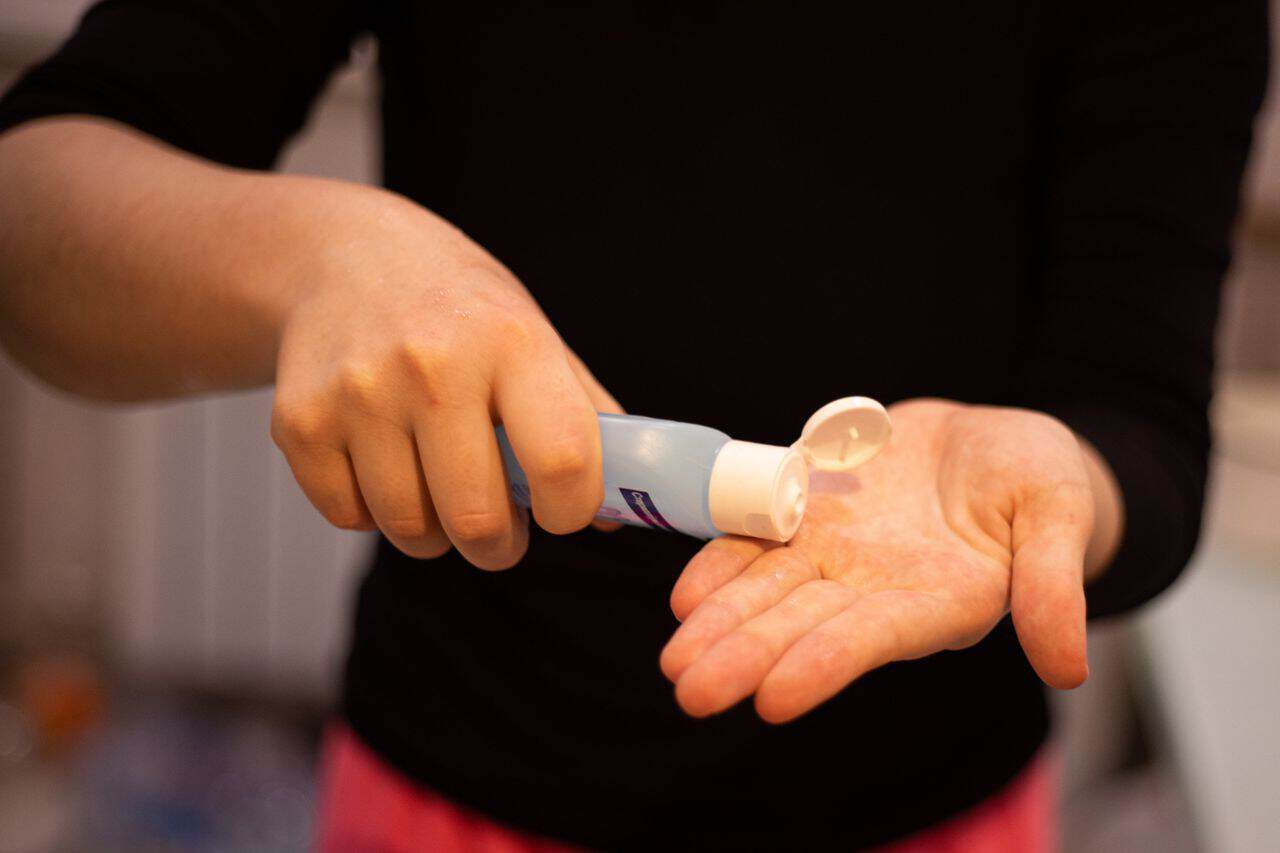
Hair gel does not directly cause hair loss or permanent baldness. While it may seem that regular gelling exacerbates hair loss, in reality, this is unlikely to be an active cause. Hair gels are very popular and also commonly used by those with hair loss or thinning to sculpt their styles and conceal areas where the scalp might be visible.
There are, though, potential connections between aggressive styling and very tight hairstyles that can contribute to hair thinning and loss. That might include traction alopecia, which can occur when you use gel to secure hair in a tight ponytail or bun, and the style pulls and tugs on the hair follicles.
KSL Clinic’s expert hair restoration practitioners have compiled some useful insights into the common ingredients in most hair gels, explained how and why styling can impact healthy growth, and dispelled the myth that hair gel is a direct cause of hair loss.
Are you experiencing hair loss? KSL Clinic offers a free initial hair loss consulation to assess your hair loss and discuss an appropriate treatment.
Are beard to scalp transplants possible?
- Applying hair gel to your hair, even every day, won’t prompt hair loss. The ingredients in credible brands are safe for daily use and have no impact on the speed or density of hair growth.
- Despite widespread public concern, there is currently no robust clinical evidence directly linking the use of hair gel to permanent hair loss.
- Using gel without washing your hair at the end of the day can, though, cause issues if you don’t practice good scalp hygiene. Prolonged accumulations of grease and oil can lead to conditions like folliculitis, which can indeed contribute to hair loss.
- Putting gel into your hair to hold a restrictive or heavy hairstyle, such as a scraped-back ponytail, can also worsen thinning – but the gel isn’t the culprit. Instead, it’s the strain on the follicles that can cause traction alopecia.
- The best way to ensure that gelling your hair isn’t an issue is to wash your hair and scalp thoroughly with high-quality products and to consult an experienced hair restoration specialist if you’re concerned about the thickness or growth of your hair.
Ingredients in Hair Gels – and Those to Steer Clear Of
As we’ve stated, the vast majority of gels are perfectly fine to use in any quantity. They contain water, additives such as perfumes and UV sunscreen, and chemicals like:
- PVP, which enables the gel to dry and remain in place when exposed to moisture
- Fixatives, such as carbomers and polymers, which also help the gel stay in place
- Alcohol to speed up the pace at which the gel dries
- UK-approved parabens, which act as preservatives
Although some parabens aren’t safe for hair loss, these are banned within the UK, so provided you buy a well-known brand of hair gel from a reputable retailer, there isn’t any likelihood you’ll be putting anything harmful on your hair.
If you’re ordering online or buying a hair gel overseas, you may want to be cautious about other ingredients, which, although not directly associated with hair loss itself, can cause irritation that could worsen current hair loss, especially if this is linked to the health of your scalp.
Some alcohols and chemicals, like propylene glycol, can strip the moisture from your hair. While these ingredients affect people differently, both may cause itchiness and scalp dryness. If you experience any scalp discomfort, it’s best to discontinue use of the gel immediately.
Patients with skin conditions like dermatitis or eczema should also check that they’re not applying hair gel with any ingredients they are sensitive to.
Understanding Traction Alopecia and Using Styling Gel in Your Hair
Traction alopecia isn’t caused by gel, but by tension that pulls at your follicles.
This is more common if you wear your hair very tightly tied back or if there is additional weight that can damage the follicles over time, such as in patients with dreadlocks or long extensions.
Individuals who must keep their hair tightly styled and out of their faces for jobs in entertainment, catering, hospitality, and construction may be more likely to experience traction alopecia. However, the amount of gel used isn’t the primary issue and doesn’t create damage to the follicles.
In some situations, hair loss isn’t actually traction alopecia. It might be down to broken strands and split ends resulting from overstyling, inadequate washing, and strain on the scalp, which can make your hair appear thinner or sparser.
Read more: Does over-brushing cause hair loss?
How to Maximise the Health of Your Scalp and Hair When Using Gel Daily
For those who use gel regularly, the guidance is to wash their hair and scalp thoroughly, using a suitable shampoo that matches their hair type and scalp, such as a sensitive shampoo range or a thickening hair care brand.
If you’re struggling to wash your hair thoroughly and have noticed increased flaking or greasiness, you may want to consider reducing your daily use of gel and opt for a mousse or spray if necessary to prevent the buildup from worsening.
Some people also find that certain products are gentler on their scalps and achieve the same amount of hold, and you can experiment with waxes, clays and pomades to ensure you’re keeping your hair under control without irritating your skin.
Managing Hair Loss and Concerns About Hair Gel
Don’t panic about using hair gel every day – it’s not going to be a major factor in hair loss, nor can it be a standalone cause of thinning, particularly if you already wash your hair well and you’re not continually wearing tight hairstyles.
The more likely culprit is genetic hair loss, known as pattern hair loss, as well as other prevalent reasons for changes in growth, such as age and hormone levels – all of which we can assess during a free, private consultation.
Should you be worried about hair loss, seeing more and more strands in the shower or on your pillow, or be increasingly reliant on gel to cover up balding patches, you are welcome to contact your nearest clinic, where we’ll be happy to organise a good time for a confidential chat.
Options might include non-surgical therapies, such as laser treatments (LLLT) and PRP, or a hair transplant – but we will ensure you’re able to choose when and how you use gel to achieve a style you like, not because you’re trying to conceal patchy growth.
Get a cost for your hair transplant
Looking for a consultation regarding the hair transplant cost? Book a free consultation with us today to see what we can do for you.