

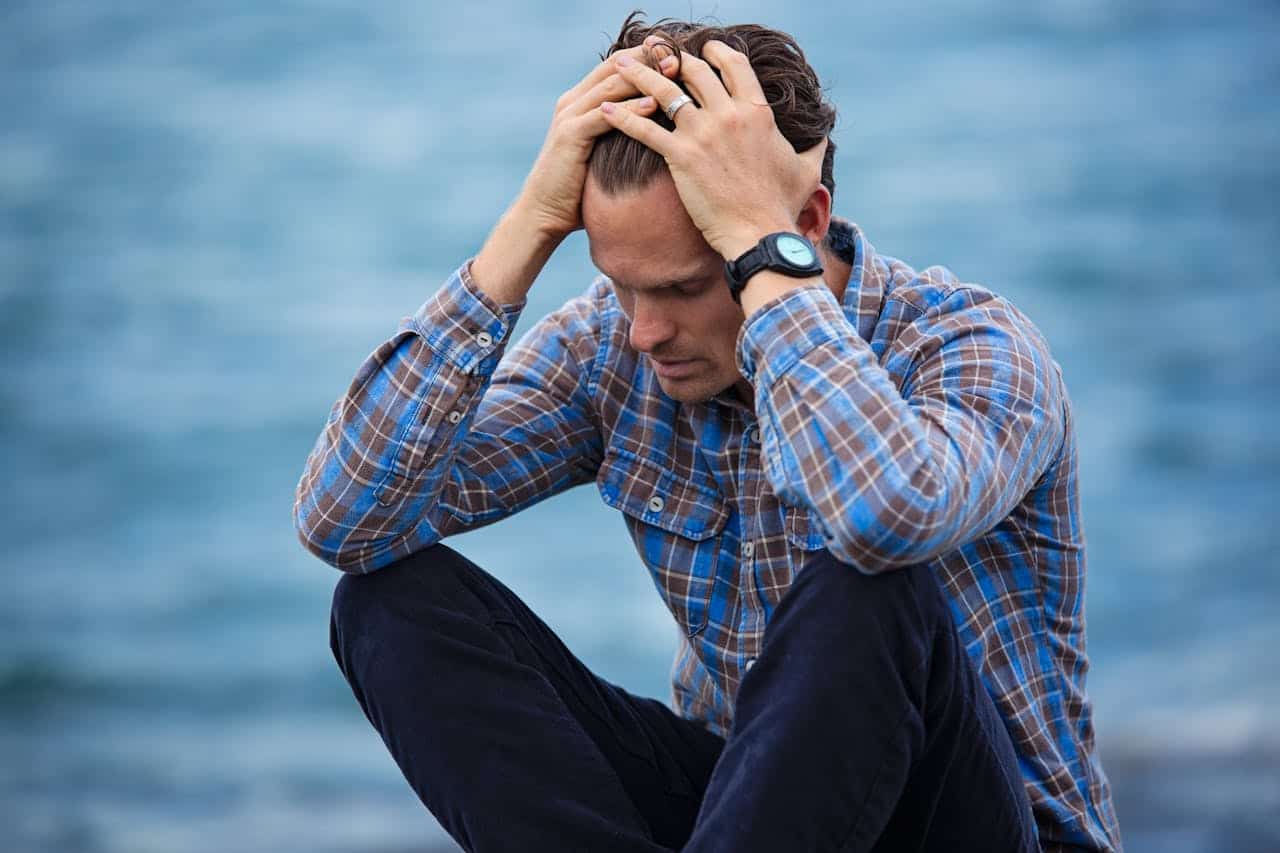
Does stress cause hair to fall out? Stress is one of many issues that can directly impact the health and density of your hair. Although much may depend on whether stress is chronic and associated with an ongoing medical condition or temporary, changes to your hormone levels can indeed contribute to hair loss, thinning, and changes in the speed at which new follicles can grow.
Clinicians note that myriad factors can cause stress-related hair loss. However, the positive is that once stress levels are controlled, there is the potential for hair to regrow if the damage to follicles isn’t permanent. [1]
That could mean that short-term hair loss is linked with high periods of severe stress and self-corrects when your stress levels are reduced. However, in other cases, it’s well worth booking a consultation with one of our sector-leading hair restoration specialists to advise on the right way forward to restore your hairline and confidence.
Stress and Hair Loss: The Facts
- Research has identified that our hair growth cycles are linked to our stem cells, which are negatively impacted by chronic stress – hence, a connection between prolonged stress and hair loss. [2]
- There are also some specific mental health and psychological conditions which can have a profound impact on the health of your hair. Examples include trichotillomania, also known as the hair-pulling disorder, where people affected have a compulsion to pull and tug on their hair – often in response to stress triggers. [3]
- Most stress-related hair loss is short-term and should improve once your stress levels are reduced. That said, it’s also possible to see hair loss around three months after periods of intense stress due to the delayed impacts on your follicles and the way they enter resting, shedding and regrowth phases.
Reasons Why Stress Can Cause Hair Loss and Thinning
Stress can have marked impacts on our physical and psychological well-being, and periods of emotional distress, anxiety, depression, or severe worry can all play havoc with our hair – regardless of whether you’ve previously experienced low-level hair loss and irrespective of your age.
The delay between periods of severe stress and hair loss occurs because of the way follicles pass through different phases. Follicles that are in the resting phase may shed and enter the regrowth phase more slowly due to the effects of heightened stress on your body.
For most people, follicles are not dead but temporarily dormant, which means normal hair growth should revert once stress levels are reduced. However, much can depend on the nature of the stress you are experiencing.
Types of Stress-Related Hair Thinning and Loss
Although stress alone can affect your hair, there are also several conditions that can be prompted or exacerbated by stress, including:
- Telogen effluvium: A common form of hair loss known to be worsened or sometimes prompted by severe psychological and physical stress. [4]
- Alopecia areata: A type of hair loss that is typically characterised by patches of lost growth around the scalp.
- Trichotillomania: The mental health condition we mentioned earlier that can make you feel a need to pull or pick at hairs on your scalp or elsewhere.
One of the big issues with hair loss and stress is that if you’re worried about the appearance of your hair or know that stress is contributing to hair loss, this can only worsen your experiences and raise your stress levels further.
Taking action is beneficial. You can avoid extended periods of elevated stress or ensure you focus on health, relaxation, and well-being while consulting an expert to understand the right ways to address your concerns.
 Dr Matee, KSL Clinic’s Director of Surgical Services, says, ‘It’s always worth booking a cost-free consultation if you are worried about the health and condition of your hair, or believe that current, past or ongoing stress levels are impacting hair loss.
We can appraise your scalp and hair, discuss your lifestyle and medical history, and provide independent advice, whether we recommend non-surgical therapies to slow or control hair loss, medications to help replenish hair thickness during recovery, or a hair transplant as a permanent solution.’
Get a cost for your hair transplant
Looking for a consultation regarding the hair transplant cost? Book a free consultation with us today to see what we can do for you.
Treating Hair Loss Linked With High Stress Levels
The first step to managing hair loss associated with stress is to concentrate on bringing your stress levels down. However, this may be easier said than done if you have a heightened stress response due to a medical condition or circumstances outside of your control.
Medical professionals advise you to aim for seven to eight hours of sleep each night, eat a balanced diet with sufficient hydration, consider regular exercise, and rest to ensure you have time and space to recover physically from stress.
Many people with stress also use talking therapies or counselling, practice mindfulness, yoga or meditation, and consult their GP if they aren’t able to manage stress alone.
The next option is to consider what you’d like to do to either speed up the recovery of your scalp and hair or correct ongoing hair loss. Note that a hair transplant may only be suitable and necessary when stress levels are better managed and when there is little likelihood of sustained hair loss.
Treatments like platelet-rich plasma therapy have proven highly beneficial in reactivating dormant follicles, replenishing hair thickness and health, and promoting faster regrowth. Other alternatives, like laser therapy, can also have similar outcomes.
Rest assured that stress and hair loss are very common. Our talented hair transplant surgeons and consultants are here to help, ensuring you get the assistance you need to manage your hair growth and stress over the long term.
Frequently Asked Questions
Is There Anything I Can Do to Manage Hair Loss and Stress?
The right way forward can depend on the nature of stress, whether temporary and due to something like a house move or being made redundant, or chronic stress, which is more usually an aspect of a medical condition or mental health issue.
Either way, bringing your stress levels under control is step one, and consulting a hair restoration team can be beneficial if hair loss and thinning are worsening your stress or impeding your ability to manage this effectively.
How Can I Tell if Hair Loss Is Stress-Related?
Unfortunately, it’s difficult to determine with 100% accuracy whether hair loss is specifically due to stress. However, a professional appraisal of your scalp and hair can help identify any underlying causes and determine the right treatments or therapies for you.
Is There Anything I Can Do to Manage Hair Loss and Stress?
The right way forward can depend on the nature of stress, whether temporary and due to something like a house move or being made redundant, or chronic stress, which is more usually an aspect of a medical condition or mental health issue.
Either way, bringing your stress levels under control is step one, and consulting a hair restoration team can be beneficial if hair loss and thinning are worsening your stress or impeding your ability to manage this effectively.
How Can I Tell if Hair Loss Is Stress-Related?
Unfortunately, it’s difficult to determine with 100% accuracy whether hair loss is specifically due to stress. However, a professional appraisal of your scalp and hair can help identify any underlying causes and determine the right treatments or therapies for you.