

Vitamin D is undoubtedly essential to a healthy diet and plays a part in supporting hair follicle growth. Vitamin D deficiencies are sometimes a factor in hair loss and are often a consideration in patients who have experienced alopecia-related hair loss.
While we wouldn’t state that vitamin D is the only or most important aspect of post-transplant recovery or vital to ensuring transplanted follicles produce fresh, healthy hair, it remains essential to follow all the aftercare guidance, eat a nutritious diet, and pay attention to sleep, hydration, and giving your follicles the ideal environment to grow.
In this article, we’re exploring how vitamin D impacts hair growth patterns and sharing some guidance about whether it would be worth augmenting your vitamin D intake or adding supplements to your diet during the recovery phase after your bespoke hair transplant.
Vitamin D and Hair Loss: Quick Facts
- Vitamin D is one of the many vital nutrients we all need, and supports numerous functions within our bodies, including hair growth and our immune systems.
- There is the potential that a vitamin D deficiency, especially if sustained, could contribute to hair growth, but it is more likely that hair loss is hereditary. A deficiency could, though, exacerbate the pace and extent at which hair thins.
- This vitamin regulates the cycles our hair follicles pass through naturally, while also being important for our immune system. This means taking a vitamin D or combination supplement could be wise post-transplant, although you can also ensure you are eating healthy foods such as fortified cereals, eggs, and salmon if you believe your intake is a little low.
Taking Vitamin D After a Hair Transplant: Advice From the Hair Restoration Specialists
Most of us have sufficient vitamin D levels, and if you spend time outdoors and eat a balanced diet, you may already consume adequate vitamin D without any likelihood of a deficiency that might impact the results of your hair transplant.
However, if you think you probably don’t consume or produce enough vitamin D, there is rarely any harm in increasing your intake, especially if you’re in the immediate recovery stage and want to optimise your health and hair growth rates.
However, there are some people, including those with kidney-related medical conditions, for whom vitamin D supplementation is inadvisable and even unsafe. You should consult your GP or physician if this applies and you plan to add vitamin D to your regimen.
What Role Does Vitamin D Play in Preventing Hair Loss or Supporting Healthy Growth?
Part of the reason so many people advocate for vitamin D after a hair transplant is that there is some evidence that deficiencies are responsible for hair loss or can speed up the pace at which hair loss occurs.
As an overview:
- Low levels of vitamin D cannot necessarily cause androgenetic alopecia, or pattern hair loss, independently – this is hereditary and genetic. However, clinicians have found that it is common for people with pattern hair loss, male or female, to also have lower vitamin D levels than they should.
- Alopecia areata, an autoimmune condition in which the body attacks hair follicles and causes hair loss, is also connected to lower vitamin D. While that doesn’t mean a lack of vitamin D will prompt alopecia areata, the impacts of insufficient vitamin D might be involved in the dysfunction within the immune system.
In both of these cases, vitamin D might be a factor if not the direct cause of hair loss, but there is a case for supplementing your diet or including more vitamin-rich foods to ensure you’re not inadvertently slowing down your post-transplant hair growth.
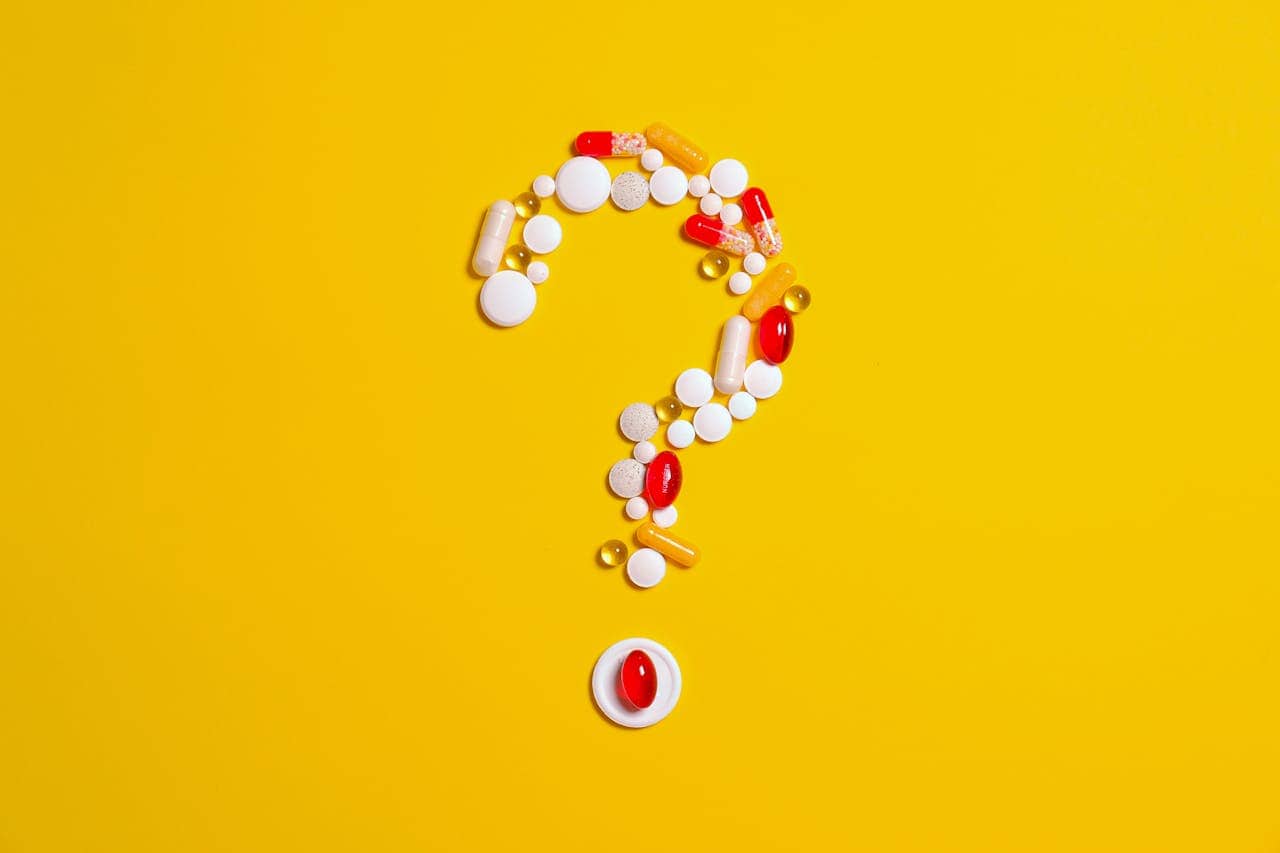
How Can You Check if You Have a Vitamin D Deficiency?
It would be unusual for a physician to test for a vitamin D deficiency purely on the basis of hair loss. In some scenarios, it doesn’t cause any symptoms whatsoever. However, some people find that they are deficient in vitamin D following investigations into:
- Pain, soreness or weakness in bones and muscles
- A tingling feeling in their feet or hands
- Easily broken bones or heightened pain sensitivity
- Muscle spasms, tremors and twitches
There are also some underlying medical conditions that can make it more likely a person will develop a vitamin D deficiency, including digestive complaints like Crohn’s and coeliac disease, which means it is well worth booking a checkup if you have any concerns.
Get a cost for your hair transplant
Looking for a consultation regarding the hair transplant cost? Book a free consultation with us today to see what we can do for you.
How to Avoid a Vitamin D Deficiency to Aid in Healthy Hair Growth
Finally, if you have any reason to suspect you aren’t getting enough vitamin D, there are several ways to boost your intake, especially if you’d like to avoid supplements.
They include spending more time outside, eating vitamin-rich foods like fatty fish such as salmon, tuna, and mackerel, and adding egg yolks and fortified foods to your regular diet.
Which Are the Best Vitamins and Supplements to Take After a Hair Transplant?
Alongside the potential inclusion of vitamin D, with the caveats we’ve already mentioned, several vitamins are generally beneficial and a good way to aid in your post-transplant recovery.
While we’ll always provide tailored guidance and aftercare instructions on an individual patient basis, and the right vitamins and supplements will depend on your medical history, many people choose to take:
- B-complex supplements, which are useful in helping the tissue and scalp heal.
- Zinc, which supports our immune system function and enables our bodies to produce new cells and proteins.
- Vitamin A, which helps keep hair supple, hydrated and healthy, while also contributing to tissue growth.
- Vitamin E, a vitamin that combats oxidative stress and ensures new hair growth appears faster, with healthier, thicker follicles.
If you’d like further information about post-transplant supplements and nutrition, our earlier guide to the Best Supplements/Vitamins to Take After a Hair Transplant provides more detailed guidance.
You are also welcome to schedule a cost-free consultation at any of the KSL Clinic locations. One of our highly accomplished hair restoration surgeons will be happy to discuss your hair loss, medical history, and nutrition and provide more tailored advice.