

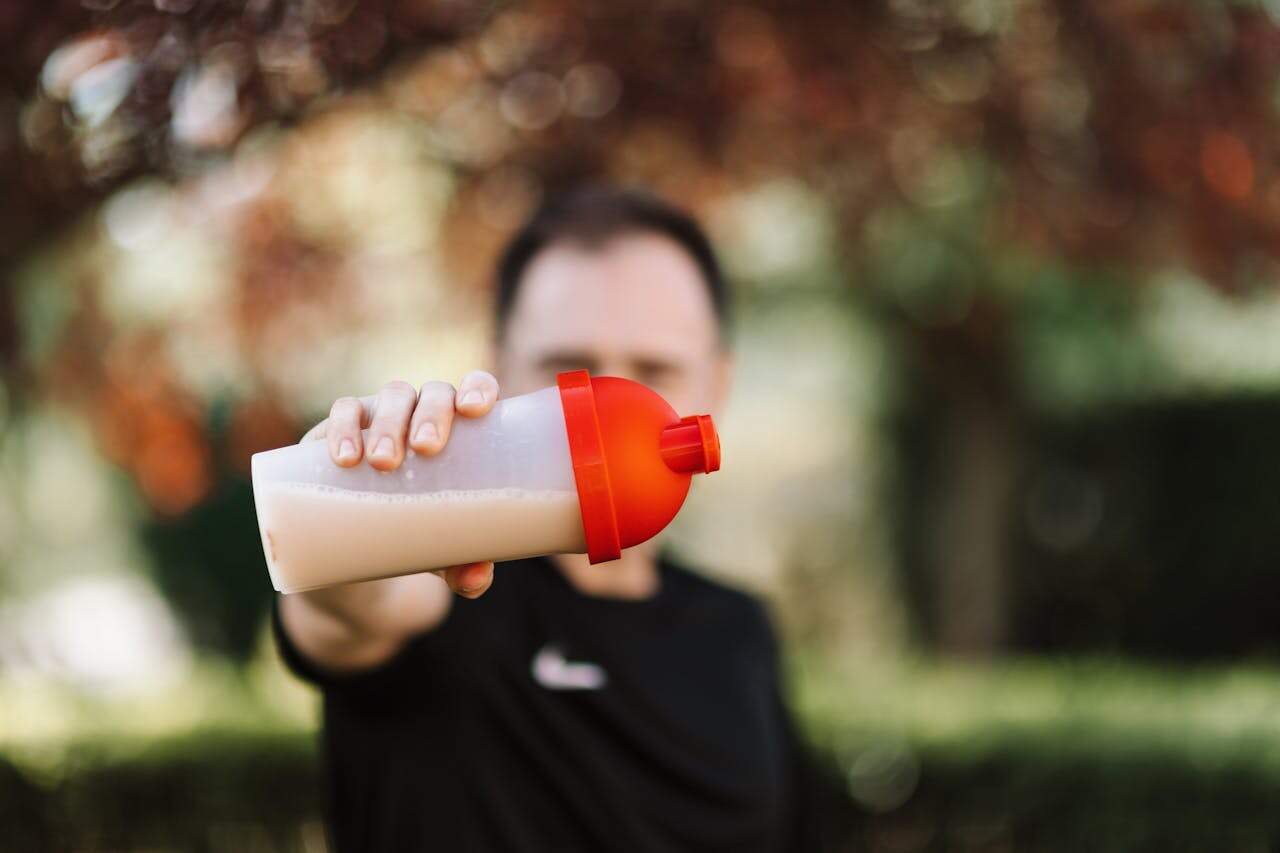
Whey protein shakes are a convenient, popular way to augment your protein intake, but if you’ve noticed new areas of thinning or that hair loss is accelerating, you may have come across some of the many online articles debating whether your protein shakes are responsible.
Like much speculation, conflicting opinions exist, but there is no clinically verified or scientific research that conclusively indicates whey protein causes hair loss, making a dramatic diet change your diet likely unnecessary.
However, there are small but insightful studies that highlight how protein deficiencies can be a factor in thinning, and that the type of protein supplements or powders you consume could make a difference.
Let’s review the science to debunk incorrect myths and ensure you’re making informed decisions about the best nutrition for you and your hair.
Disclaimer:
The information provided in this article is for general educational purposes only and should not be considered medical or nutritional advice. Everyone’s health needs are different, and factors such as existing conditions, intolerances, or deficiencies can change how your body responds to supplements. If you are concerned about your diet, hair loss, or overall health, we recommend speaking with a qualified healthcare professional or nutritionist before making any changes to your nutrition or supplement routine.
Key Takeaways About Whey Protein and Its Role in Hair Loss
- There is no conclusive evidence that whey protein causes hair loss. However, hair growth can be impacted by a lack of protein, called protein malnutrition, alongside other deficiencies in important vitamins and minerals. [1]
- Very small research initiatives have discovered that the type of protein you consume may matter, with a project analysing hair growth in 100 participants finding that protein concentrate could be beneficial for hair growth. In contrast, whey protein isolate might have the opposite effect. [2]
- Protein itself is essential for muscle repair and is widely seen as a beneficial part of a healthy diet. While it is always best to consume whole foods, protein supplements aren’t likely to make a marked difference, because most primary causes of hair loss are down to genetics.
Whey Protein as a Supplement and Its Varied Forms
Whey protein is available in the form of protein shakes, powders and bars. You can also augment your intake by consuming more dairy products like cheese and milk, because whey protein manufacturers extract whey from these food sources to produce their supplements.
There are, though, several different types of whey protein, and picking the right options could have an impact, though small.
- Whey protein is produced as a concentrate, which is mostly protein content; as a protein isolate, containing 90% or more protein; and as a hydrolysate, which has the highest rate of absorption.
- Most protein powders are concentrates or isolates and also contain amino acids, which your body uses for tissue repair and in other functions such as hair growth.
The small study we mentioned earlier did suggest that, in some people, whey protein isolate might aggravate the speed of hair loss, in contrast to whey protein concentrate – although this is not necessarily true and hasn’t been analysed on a larger scale.

Understanding Reasons Some People Think Hair Loss and Whey Protein Are Linked
The underlying reason there are suggestions that whey protein causes hair loss is down to a theory that people already prone to hereditary hair loss could see this happen sooner because there is a possibility that whey protein could increase the production of DHT.
This isn’t proven but is based on the concept that when a person consumes a whey protein isolate, this could elevate testosterone levels, which is then converted into DHT by the body.
It is correct that DHT is a factor in pattern hair loss, and indeed, some topical medications combat the speed of hair loss by slowing the production of DHT.
However, the more plausible connection between whey protein and hair loss is related to lifestyle factors, where consuming protein supplements, especially those with additional ingredients like creatine, could contribute to nutritional imbalances.
As with whey protein, there is no evidence that creatine actively causes hair loss and being deficient in other vital nutrients like omega-3 fatty acids, iron, and B vitamins is more likely the real issue.
Alternatives to Whey Protein Supplements to Prevent Nutritional Imbalances
While there’s no data that says whey protein supplements have a negative impact on hair growth, it could be wise to consider swapping manufactured powders and bars for whole foods, or to get a larger proportion of your protein intake from main meals.
That’s because there are several foods that contain both proteins, but also other compounds that we know do contribute to healthy hair, slower speeds of hair loss, and a better ability for your scalp tissue to repair itself. They include:
- Whole milk
- Cottage cheese
- Greek yoghurt
- Ricotta cheese
These foods are high in protein, calcium, potassium, vitamin D, zinc, vitamin B12, vitamin A, selenium and magnesium, as just a few examples, and can be combined with other foods like salmon, walnuts, and flaxseed for a well-balanced diet.
An exception applies if you have a lactose intolerance or suspect this might be the case. People with intolerances may find that whey protein concentrates aggravate their digestive system, and that they need to eliminate or cut down on the dairy products they consume.
Get a cost for your hair transplant
Looking for a consultation regarding the hair transplant cost? Book a free consultation with us today to see what we can do for you.
Expert insight from KSL Clinic
“We often meet patients who are concerned about whether whey protein is linked to hair loss. Current evidence shows no direct connection — the bigger factor is usually genetics or nutritional balance. Protein itself is essential for healthy hair, so the key is choosing the right type of supplement and ensuring your diet supports growth with enough vitamins and minerals.”
KSL Clinic
Should I Stop Using Whey Protein if I Am Experiencing Hair Loss?
Not necessarily – but picking a quality whey protein concentrate and being mindful of the various other minerals and vitamins that support healthy hair growth is advisable!
It’s important that you eat a health and balanced diet to reduce the effects of hairless.
If you’re a big fan of protein shakes and want to continue using them, we’d suggest you choose grass-fed whey protein powders mixed with milk or water, since this will help ensure you’re getting the highest quality protein along with some of those additional vitamins.
Otherwise, we’d recommend scheduling a cost-free obligation consultation with your nearest KSL Clinic practice. Our clinicians are highly experienced professionals who regularly speak with patients worried about hair loss or those who have read conflicting advice online and are unsure of the right way to prevent hair loss from continuing uncontrolled. We recommend a balanced diet. Eat consistently, include a variety of nutrients, and ensure your body has what it needs to support healthy hair growth.
Whether we suggest a treatment to identify potential deficiencies, or find that there are lifestyle changes you can make, we’ll ensure you have all the correct information from a qualified specialist in hair loss and restoration.