
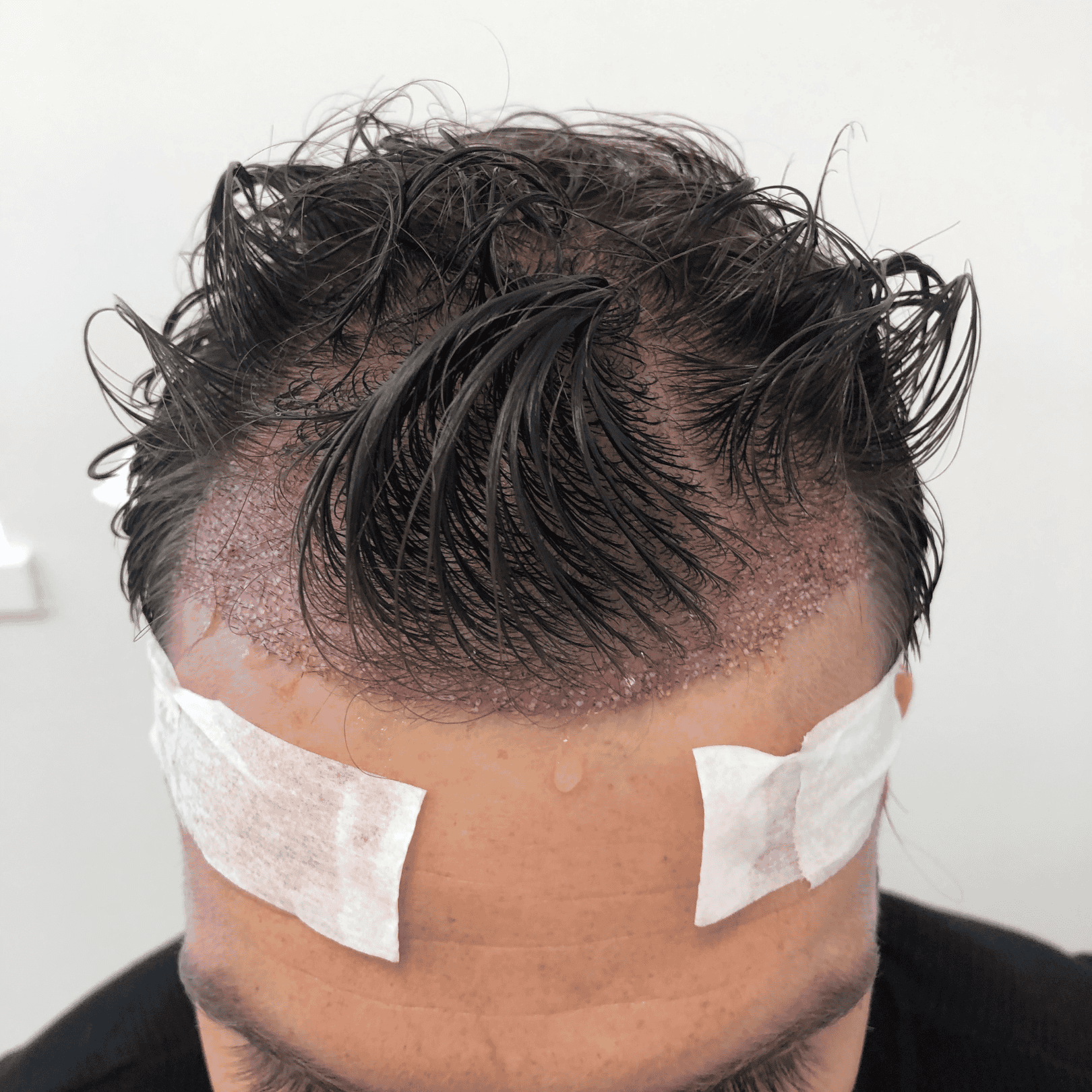
KSL Clinic is committed to exceptional aftercare, and we always ensure our patients are fully informed about what to expect during their post-transplant recovery, recognise natural signs of the healing process, and know when to seek help.
One of the most common side effects following a hair transplant is slight swelling, which can impact the scalp, including the donor and transplant site, but can also cause some inflammation around the eyes and forehead.
This doesn’t indicate that something is wrong and is a natural response as your body recovers and tissue heals. Swelling lasts only a few days and will quickly subside with the right aftercare to protect your skin and follicles and promote faster healing.
Swelling Following a Hair Transplant
- Post-transplant swelling is normal, and it is essential that our patients anticipate this, understand the difference between natural, expected and unusual swelling, and are equipped with the tools to either prevent inflammation or manage it safely.
- Swelling is very normal and is a natural reaction to damage or stress to tissue. When the immune system activates an inflammatory response, it protects the area affected from damage or infection.
- FUE transplantation uses microscopic tooling and creates tiny incisions about one mm across. This means that although some swelling is nothing to worry about, it’s also significantly less than the inflammation you might experience following a more invasive procedure.
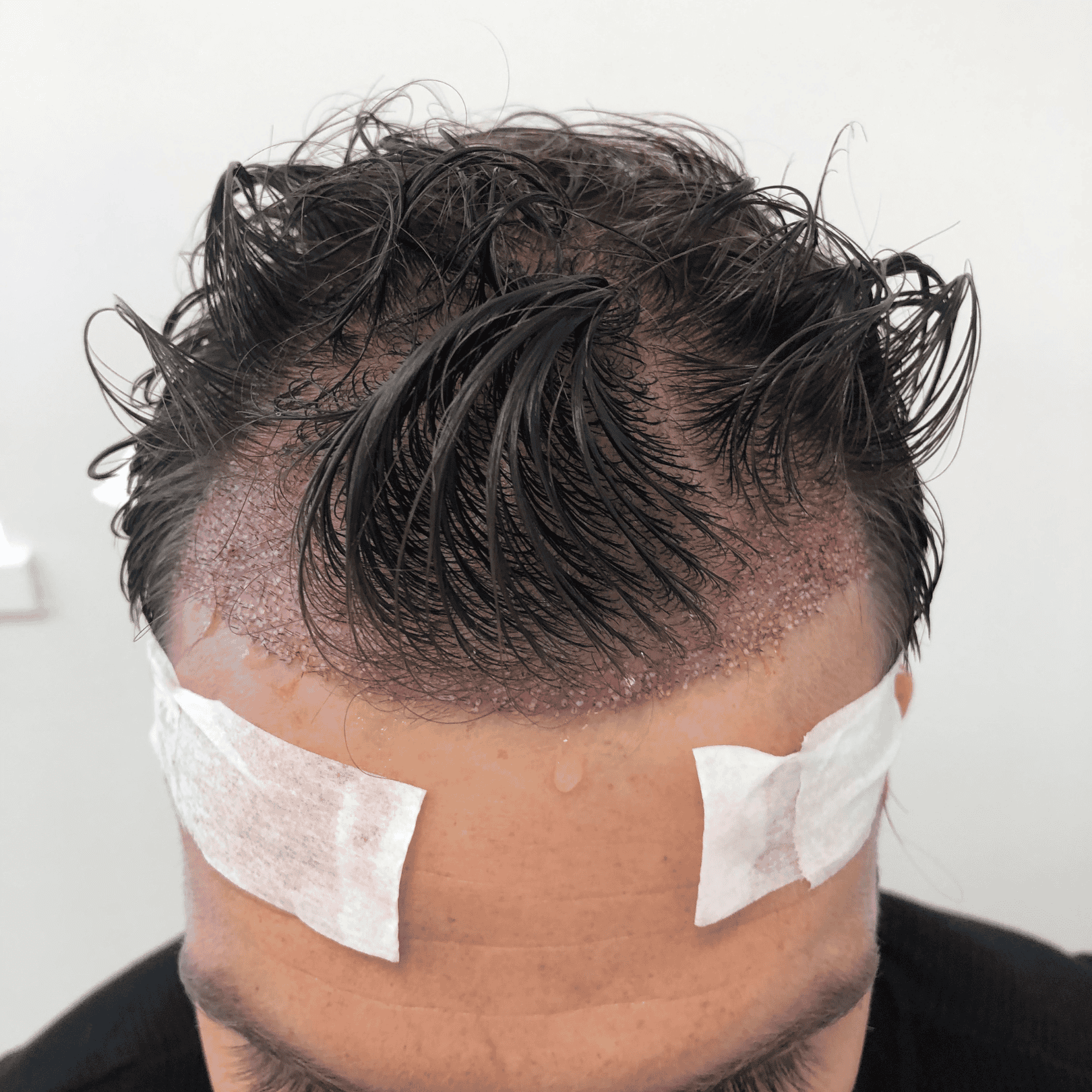
Why Post-Hair Transplant Swelling Occurs
Generally, post-transplant swelling peaks around two days after your procedure and lasts around four days—this could be slightly longer or shorter depending on the number of grafts performed and the extent of your hair transplant.
While most people would expect a little swelling on the scalp, the extra fluid can also cause swelling or puffiness around the forehead and, less often, around the eyes. This is temporary and will subside by itself.
Swelling itself isn’t dangerous or a sign that something is wrong, but if your swelling doesn’t look or feel as we’ve indicated it should, or you’ve had a hair transplant completed elsewhere, it’s important to seek help to ensure there isn’t an infection.
Tips on Managing or Alleviating Swelling After a Hair Transplant
Of course, our acclaimed surgeons can provide more detailed and tailored advice to support your recovery period. Still, there are lots of things you can do to ensure swelling subsides as quickly as possible and remains at a manageable level.
- Keeping your head elevated with an extra pillow when you sleep can help reduce swelling.
- Staying hydrated and drinking plenty of water is key; flushing away the extra fluid.
- Watching your salt intake, which causes water retention, will stop swelling from increasing more than it should.
- Ice packs, as advised by your surgeon, can minimise swelling because the cold sensation reduces blood flow to the area. You can also use a cold compress.
- Anti-inflammatories and over-the-counter pain medications will help reduce the discomfort during swelling, again, provided you have cleared this with your surgeon and these medications will not interfere with any other prescriptions or health conditions.
Following these steps, alongside the usual aftercare guidance, such as avoiding exercise, excess sweating, alcohol and smoking, can ensure your blood circulation is healthy, and you’re doing everything you can to keep swelling to a minimum.
Get a cost for your hair transplant
Looking for a consultation regarding the hair transplant cost? Book a free consultation with us today to see what we can do for you.
Additional Side Effects That Are Normal Following a Hair Transplant
Many patients schedule their hair transplant for a period when they can take a few days off work or their usual routines and concentrate on rest and relaxation. This is also a great way to ensure you’re not rushing back too fast or neglecting your aftercare.
Fortunately, the minimally invasive and advanced nature of FUE transplantation means that side effects are usually easily managed, although you might expect:
- Some soreness once the local anaesthetic wears off, with pain medications available to ensure this is under control.
- Small areas of scabbing where the incisions have been made – these will heal and fall away within just a few days.
- Bruising can happen if you have swelling, but it is preventable by using techniques like ice packs and is less likely for our patients since a skilled surgical team will minimise trauma to your scalp.
- Redness around the donor and transplant sites is possible and will fade quickly as the tiny red dots where follicles have been extracted and transplanted disappear.
If you’re concerned at any stage or want to check that your recovery is proceeding as it should, you can contact your selected KSL Clinic team, who will be happy to assist.
Balancing the Benefits of FUE Hair Transplantation With the Side Effects
Recovery following an FUE hair transplant is very quick. Because there are no large incisions, scarring, or stitches, you will likely be pleasantly surprised at how fast the healing process occurs—it takes between 10 days and up to two weeks.
This is one of the many reasons innovative hair transplantation is such a popular solution to hair loss and thinning:
- The procedure is minimally invasive, which means tiny scars that are invisible to the naked eye, none of the risks of general anaesthetic, and being able to return home the same day.
- Professional hair transplants are permanent, ensuring the short recovery period is both temporary and not something you’ll need to experience more than once.
- FUE transplants are very safe; there are very low chances of negative side effects during recovery that aren’t easy to manage at home, and they are one of the most efficient forms of modern surgery.
Our patients typically comment that the recovery period isn’t arduous. With the right pain and swelling management, plenty of rest, and following our aftercare instructions, they’re back to their normal schedules within a week or two, with no indication that they have undergone a hair transplant.
If you’d like to learn more, discuss the aftercare process and likely symptoms post-transplant, or speak with one of our hair restoration specialists, you are welcome to book a consultation free of charge at any KSL Clinic location.