

The best time to get a hair transplant is once your hair loss pattern is stable, your donor area is strong, and you can allow two weeks for recovery. Deciding if and when to go ahead with treatment depends on several personal factors — from age and expectations to cost and lifestyle. A consultation helps determine whether a hair transplant is right for you, or whether alternative treatments may be better suited.
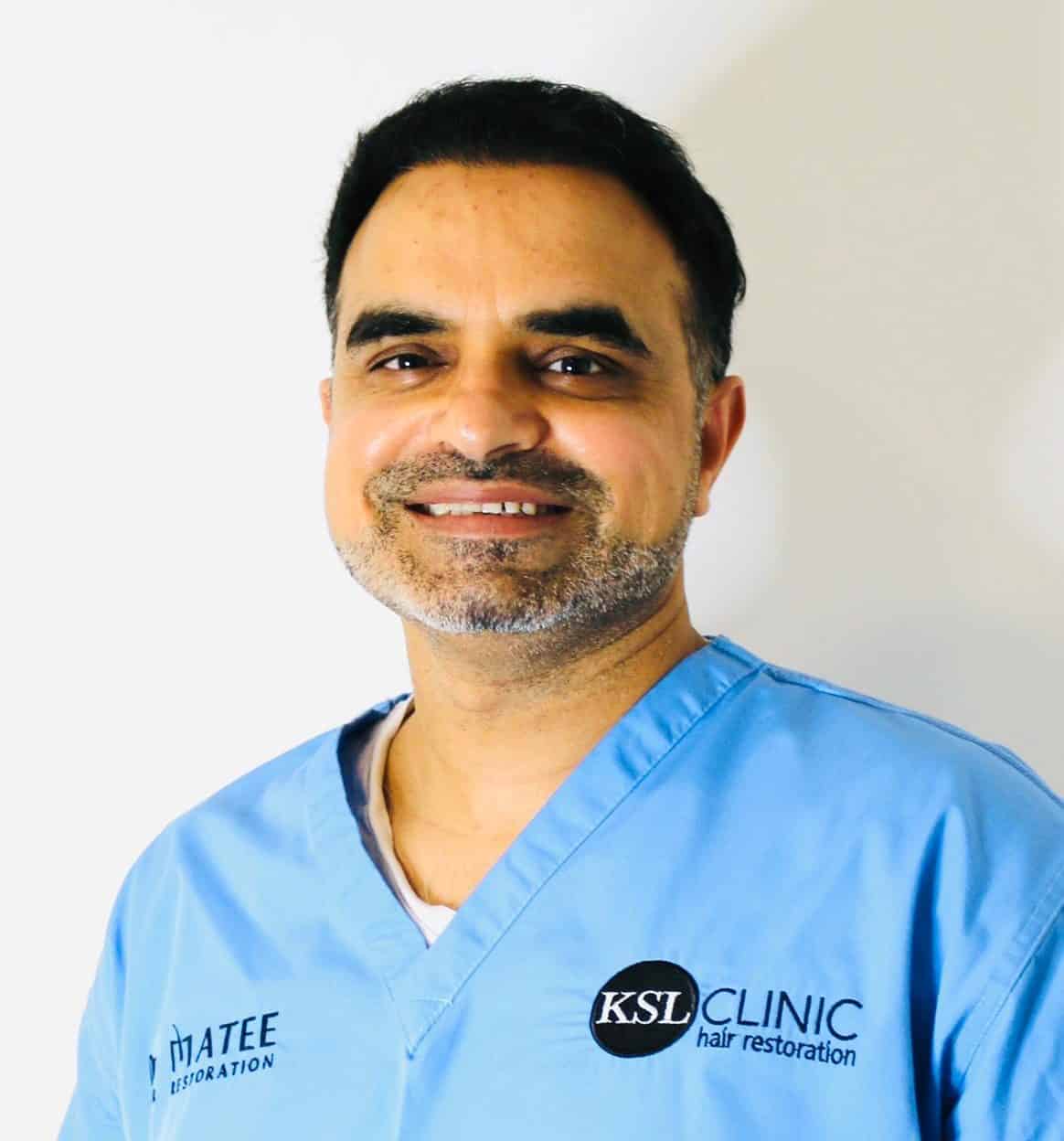
Firstly, what does Dr Matee say?
Key Summary
- Age matters: Most patients are 21+ with established hair loss, as early thinning can continue.
- Donor area strength is crucial: Healthy follicles at the back and sides of the head ensure successful regrowth.
- Timing is everything: Allow at least two weeks of recovery, ideally during a quiet period such as holidays.
Am I eligible for a Hair Transplant?
Before deciding on the right moment, it’s important to know what makes someone a good candidate. Hair transplants aren’t always the immediate solution — and in some cases, waiting is the better choice. Find out if you’re a good candidate for a hair transplant here.
How old should you be when getting a hair transplant?
Male pattern baldness affects around 70% of men in the UK, with signs often appearing as early as 18. However, surgery is rarely recommended before the age of 21. This is because hair loss at a younger age is often still developing, making it difficult to predict future patterns. A transplant too early may not deliver lasting results, as more thinning could occur around the implanted hair.
A mature hairline can sometimes be mistaken for recession, so an expert consultation is essential to confirm whether surgery is appropriate or if monitoring is the smarter first step.
Can you afford a hair transplant?
Hair transplantation is an investment, and cost is naturally a major consideration. Clinics often provide flexible, interest-free payment plans to make treatment more accessible, allowing patients to spread the expense. This ensures the focus remains on suitability and timing rather than financial pressure. Find out about how to afford a hair transplant here.
Is your donor area suitable for a hair transplant?
The procedure most commonly used today is Follicular Unit Extraction (FUE). This involves taking individual follicles from the donor area — typically the back and sides of the head — and implanting them where thinning or balding has occurred. The quality and density of this donor area directly affect outcomes. A strong donor supply means more follicles can be transplanted, with better coverage and long-term results.
Patients with weaker donor areas may still be suitable but may require a staged approach, or in some cases, alternative treatments. Read more: What if the donor area doesn’t have enough hair?
Setting Expectations
Setting realistic expectations is key. Modern techniques can create natural, permanent results, but they cannot restore the hairline of teenage years or guarantee unlimited density. Success depends on existing hair loss patterns, donor supply, and aftercare.
Leading clinics often guarantee a minimum regrowth percentage (commonly around 80%), with additional support or procedures offered if results fall short. This reassurance gives patients confidence while ensuring outcomes are monitored carefully.
Choosing the Right Time for a hair transplant
Once eligibility is established, timing becomes the next big question. While there is no single “perfect” time, several factors make certain periods more suitable.
Recovery Period
A hair transplant requires a short recovery phase. Visible signs such as scabbing, redness, or swelling typically last up to two weeks. During this time, patients are advised to avoid strenuous activity, swimming, or excessive sun exposure.
Because of this, the best time to book is when you can allow yourself two clear weeks of downtime. While many people return to work within days, planning for a full fortnight ensures comfort and discretion.
Life Events
Think about your calendar. If you have upcoming events — a wedding, holiday, or major work project — you’ll want to schedule treatment well in advance. Allowing at least six months before a key occasion gives your new hair time to grow in naturally, with the most visible improvements often appearing after 9–12 months.
When is the Right Time of year for a hair transplant?
Many patients choose the Christmas or Easter holiday periods, when businesses naturally slow down and extended time off is easier. Being at home during recovery also makes it simpler to follow post-operative care routines.
Others prefer summer holidays, although direct sun exposure must be carefully managed. With the right aftercare, any season can work, but periods of planned rest tend to be most convenient.
Balancing Practical and Personal Factors
The decision isn’t just medical; it’s also practical.
- Work commitments: Consider whether you can take leave or work from home while visible signs heal.
- Lifestyle: If you swim, train heavily, or spend lots of time outdoors, factor in the restrictions during recovery.
- Personal confidence: Some patients prefer to undergo treatment when they know they won’t have many social obligations, while others are unconcerned about temporary signs.
- Combining these factors ensures the process feels manageable and stress-free.
Alternative or Supporting Treatments
Sometimes the right choice is to delay surgery and use other treatments first. Platelet-Rich Plasma (PRP) therapy, for example, can stimulate growth in thinning areas and strengthen existing follicles. For younger patients or those with early-stage loss, this can slow progression until a transplant becomes more appropriate.
Non-surgical solutions can also work alongside a future procedure, ensuring the best long-term outcome. This is why consultation is so valuable — it creates a personalised plan rather than a one-size-fits-all approach.
Aftercare and Long-Term Planning
Having the transplant is only part of the journey. Proper aftercare ensures graft survival and maximises results.
- Immediate care: Following cleaning, sleeping, and medication instructions prevents infection and protects grafts.
- Lifestyle adjustments: Avoiding heavy exercise, swimming, and direct sun for the recommended period supports recovery.
- Follow-up appointments: Regular check-ins allow progress to be monitored and any concerns addressed quickly.
Hair restoration is a long-term investment. Patients typically see new growth within three months, with full results visible after 9–12 months. Understanding this timeline helps set realistic expectations and ensures satisfaction.
So when should you get a hair transplant?
There is no single “best time” for a hair transplant that applies to everyone. The right moment depends on age, the stability of hair loss, donor area strength, financial readiness, and personal schedule. What matters most is choosing a time when you can fully commit to the process — from the procedure itself to the two-week recovery and the year-long journey of regrowth.
If you are unsure, the simplest step is to book a consultation. This provides expert guidance, a clear assessment of suitability, and advice on when the timing will deliver the best possible outcome for your hair restoration journey.
In order for your aftercare and hair transplant journey to go as smoothly as possible, please follow the information and post-operative care plan provided by KSL Clinic. If you are unsure or have any further questions, please don’t hesitate to email a member of the team or call us on 01622 686101 for Kent and Bristol or 0161 503 0537 for Manchester, Ireland, Birmingham and Newcastle. Read more about hair transplantation in the UK.