
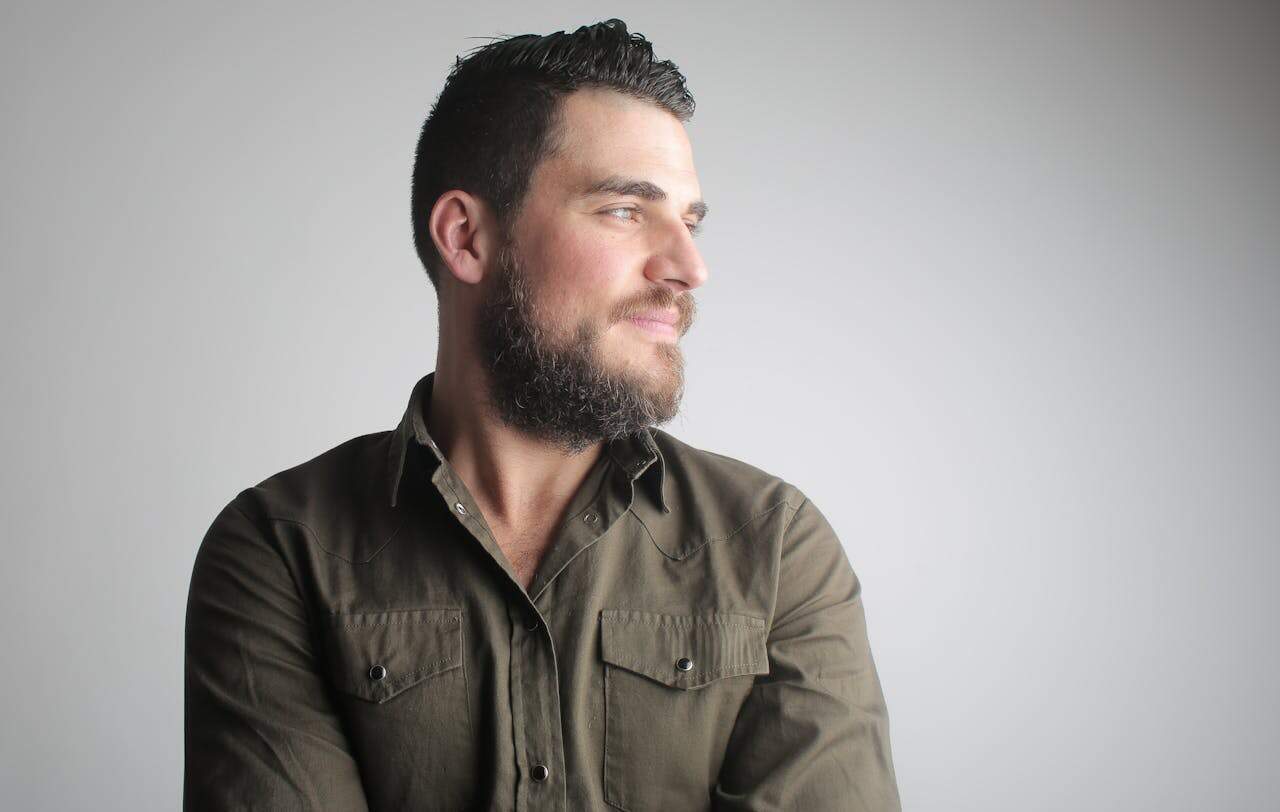
Hair transplants can transform a patient’s appearance, but it is important to clarify that not everybody is an ideal candidate. Scenarios such as advanced hair loss or medical issues linked with hair pulling could potentially mean that an alternative treatment is advisable.
Any professional hair restoration team will request patients schedule an in-person consultation for this very reason – avoiding recommending or proceeding with a hair transplant if there are contraindications that mean it isn’t likely to achieve the expected outcomes.
“A hair transplant can be life-changing, but it isn’t a one-size-fits-all solution. The best candidates have enough healthy donor hair and realistic expectations about what we can achieve. That’s why we take the time to assess each individual—medically and personally—so we can recommend the right treatment path, whether that’s a transplant or an alternative approach.”
— Dr Matee, KSL Clinic
Factors That Make a Patient a Good Candidate for a Hair Transplant
- The key factor is that it’s essential that the patient has enough donor hairs to make a transplant viable and cover the area affected by hair loss.
- Although there are only a few reasons we might not consider a hair transplant appropriate, these can include patients with extensive hair loss, minimal early-stage hair loss that will likely continue post-transplant, or other medical conditions that mean a hair transplant isn’t safe or isn’t advisable.
- The vast majority of patients are great hair transplant candidates, or we can suggest interim therapies to control hair loss and ensure the scalp is healthy and in the best position for the hair transplant to be successful.
Why Do We Need to Discuss Hair Transplant Expectations Before Confirming if a Patient is a Good Candidate?
Expectations are a key aspect of our free consultation process. Modern, advanced and minimally invasive hair transplants can safely transform almost any aspect of your hair, including:
- Scalp, temple, hairline and crown hair transplants
- Eyebrow transplants and replenishment
- Facial hair, beard and moustache transplants
While this means a hair transplant is often a great solution, we need to verify that each patient has a realistic, achievable, and full understanding of the outcomes we can deliver.
They also need to comprehend the timescales associated with the post-transplant recovery process and be committed to following the aftercare guidance provided.
Reasons you may be a good candidate vs not a good candidate
Hair Transplant Candidacy Table
| You May Be a Good Candidate If… | You May Not Be a Good Candidate If… |
| You have sufficient healthy donor hair (usually at the back/sides). | You have very limited donor hair or severe, widespread baldness. |
| Your hair loss has stabilised. | You’re experiencing rapid or active hair loss. |
| You are in good general health. | You have untreated medical issues (e.g. uncontrolled diabetes). |
| You have realistic expectations about the results. | You expect to restore your teenage hairline or achieve full density. |
| Your scalp is free of active skin conditions. | You have scalp conditions like active psoriasis or dermatitis. |
| You’re a non-smoker or willing to stop during recovery. | You smoke heavily and don’t plan to stop before/after surgery. |
| You’re over 21 or hair loss is clearly stabilised. | You’re under 21 with ongoing, unassessed hair thinning. |
| You want a permanent solution and are committed to aftercare. | You’re looking for a quick fix orare unwilling to follow aftercare. |

Does My Age Affect Whether I Am a Hair Transplant Candidate?
There isn’t any fixed minimum or maximum age at which you can undergo a hair transplant (although at KSL, we have a 21 and over policy). However, it’s normal to find that:
- Most patients are at least in their 30s, at which point hair loss is more likely to become visible or require treatment.
- Patients are typically a minimum of 21 years old, although exceptions can be made depending on individual circumstances. Every case is unique, so suitability is assessed carefully before proceeding.
- Younger adults with initial pattern baldness may benefit more from a topical medication or non-surgical therapy to stabilise and slow hair loss first, before the time is right for a hair transplant.
- Older patients with hair loss that has progressed extensively may also not be recommended for a hair transplant. That is because there might not be enough healthy donor follicles left that we could use to replenish the balding areas without negatively impacting the donor site.
As always, we can discuss this information in greater detail during a private consultation. A patient with scarring due to an accident or injury, for instance, may well be eligible for a hair transplant at a very different age than we would consider appropriate for a transplant to correct pattern hair loss.
Get a cost for your hair transplant
Looking for a consultation regarding the hair transplant cost? Book a free consultation with us today to see what we can do for you.
Can I Have a Hair Transplant if I Have a Health Condition?
We only perform hair transplants under local anaesthesia, which in itself removes a huge aspect of risk associated with general anaesthesia, which might not be safe for a patient for a wide range of reasons and medical contradictions.
However, hair transplant patients should be as healthy as possible while noting that there is a good possibility that a chronic or ongoing condition won’t mean you cannot schedule a hair transplant.
Most prevalent health conditions are fine, provided we are aware of these and can incorporate these factors into our hair restoration plan. Patients with the following may, though, need to consider non-surgical alternatives to a hair transplant.
| Condition | Issues Linked With Hair Transplantation |
| An uncontrolled autoimmune disease | Autoimmune conditions that attack the hair follicles or the scalp often mean a hair transplant cannot succeed, and the condition needs to be well managed before we can proceed. |
| Untreated or uncontrolled diabetes | Diabetes needs to be properly controlled before a hair transplant, given that poorly managed diabetes can create complications during surgery and recovery. |
| Unmedicated hypertension | Elevated blood pressure can affect the healing process post-hair transplant and potentially mean patients are at risk of unnecessarily heavy bleeding. |
| Allergies to local anaesthetics | If you have an allergy or sensitivity to anaesthetics, we can discuss different options while remembering that all transplants require some form of local anaesthetic. |
| Scalp infections and skin conditions | An infection such as seborrheic dermatitis needs to be treated or controlled before a hair transplant is appropriate. |
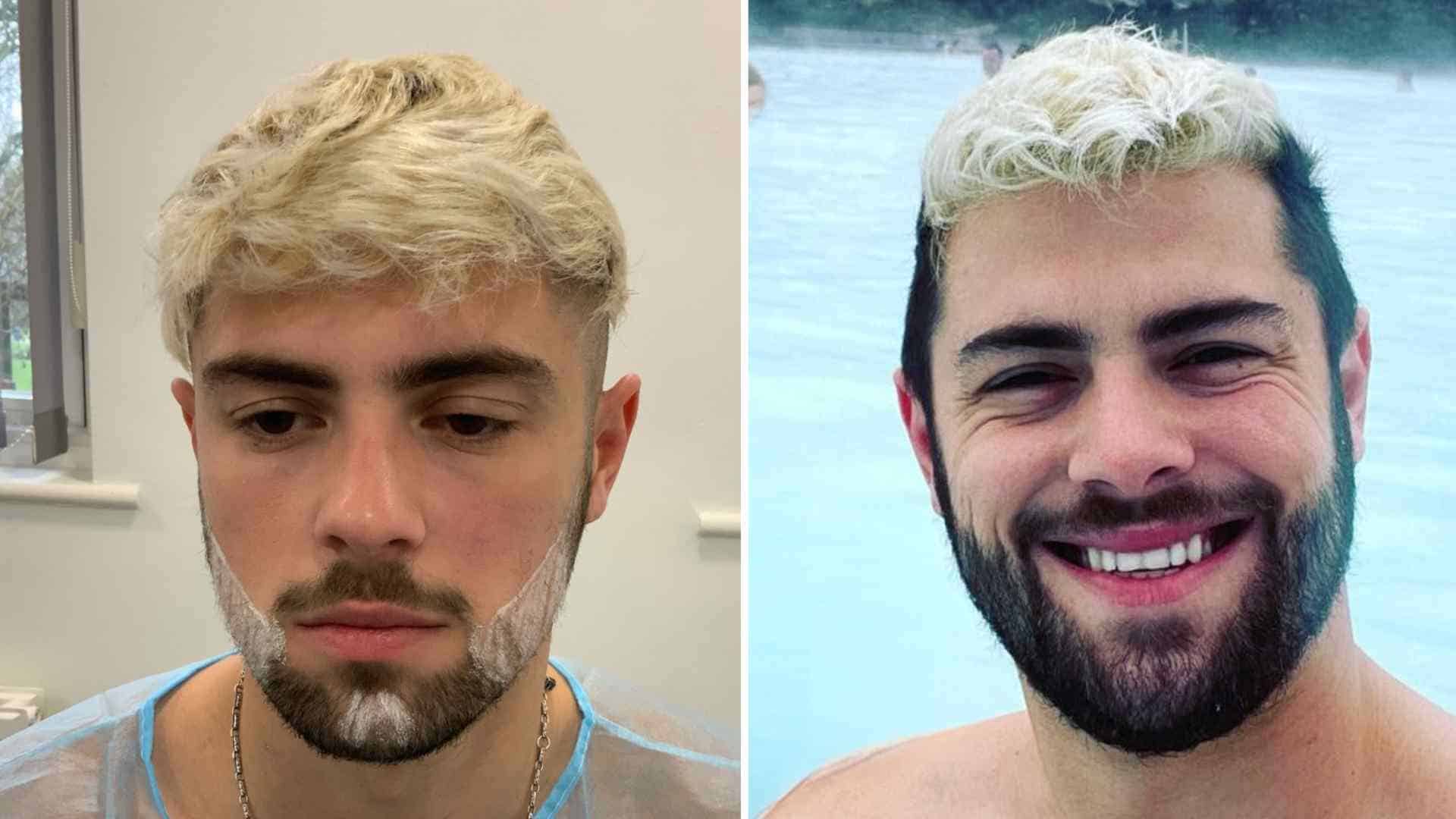
Why Can’t Hair Transplant Surgeons Operate if a Patient Has a Mental Health Diagnosis?
There isn’t a rule that says we cannot perform a hair transplant on a patient with a diagnosed or suspected mental health condition, but we must adhere to standards and ethics if there is reason to think a hair transplant is not in the patient’s best interests.
In many cases, a hair transplant can transform the lives of patients with low self-esteem or who have been negatively impacted by balding, hair loss or other hair-thinning issues.
However, if a patient has been diagnosed with body dysmorphic disorder or trichotillomania, the hair-pulling disease, we would be unable to schedule a hair transplant procedure without having evidence that the condition is well-controlled and under proper management from a mental healthcare professional.
Our resource guides provide more information about the discussions, questions, and evaluations we’ll cover during our private consultation process. Prospective patients are welcome to call KSL Clinic if they have concerns about whether they’d be a good hair transplant candidate.