

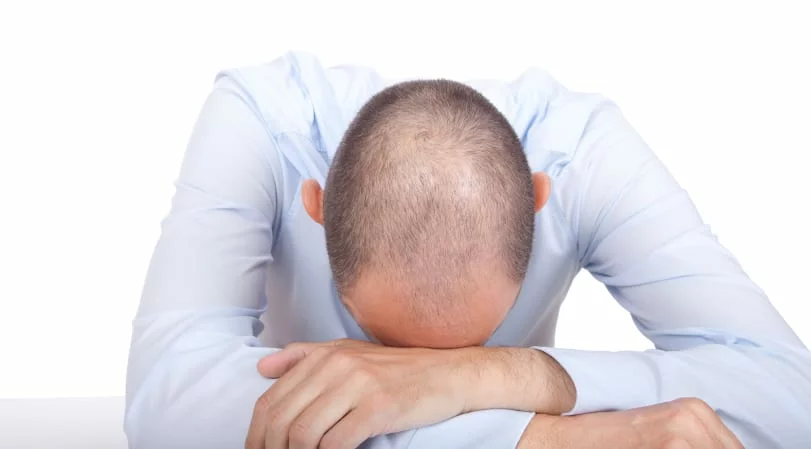
Hair loss can have considerable impact on the well-being of women and men. It can affect your self-esteem, physical appearance, and general mental health. This is why it’s always worth reviewing the options to slow the pace of hair loss or correct thinning and baldness.
Here at KSL, we never underestimate how severely hair loss can influence your welfare, with psychological side-effects that can have a pronounced impact on how you value your self-worth or perceive your self-image.
One of the first pieces of advice we’d give to anyone worried about hair loss, or who has found themselves limiting social interactions or suffering from anxiety, is to find support as quickly as possible.
There are readily available treatments and support systems here to help you manage the emotional distress and the physical aspects of hair loss you’re dealing with.
Why the Psychological Impacts of Hair Loss Matter
- People of all ages and genders who experience hair loss can feel sad, anxious, depressed, and isolated. Many will hesitate to ask for help, assuming they should ‘cope’ with hair loss as part of ageing, or that their concerns won’t be taken seriously.
- Anxiety is a very real and prevalent health condition with physical and emotional impacts. It can manifest as symptoms like an increased heart rate, withdrawal from relationships and disordered breathing.
- In most cases, hair loss is less apparent and visible than a person might imagine. That doesn’t remove the importance of taking action, especially for those who feel that hair loss makes them seem less desirable, important or valued.
- Feelings of loss of control can become more pronounced over time, and it’s essential to have support, whether practical solutions to restore your hairline or counselling to protect your mental well-being.

Key Insights Relevant to Anyone Coping With the Stress of Hair Loss
Hair loss can occur for many reasons. The first step in finding a path back to feeling like yourself again is to acknowledge that your experiences of hair thinning or balding are far from isolated. They are, in reality, probably a lot more common than you might assume.
As a snapshot, we know that:
- Around 85% of men and 33% of women will see some hair loss in their lifetimes.
- Roughly two out of every three men experience what they describe as noticeable hair loss by middle age, whether thinner hair, a widow’s peak or bald spots.
- That rises to 85% of men aged 50, although it’s vital to appreciate that hair thinning can impact as many as 40% of women of a similar age.
- For most people, hair loss is caused by androgenetic alopecia. This condition is hereditary and genetic. It is not solely down to your lifestyle, general health, or habits, and isn’t something you can prevent or intercept without professional help.
Read more about hair loss statistics here.
If you’re one of the millions of people who’ve bought lotions, shampoos, creams, and other treatments that promise a resolution and haven’t seen any improvement, you’re also among an extensive group of people.
A massive proportion of ‘hair restoration’ products are sold through clever marketing. If you’ve seen no results at all, this isn’t your fault, you haven’t used the product incorrectly, and you’re not the only person who has bought a so-called cure only to be left disappointed.
Mental health concerns have broken taboos and stigmas over recent years. Still, we acknowledge that many people don’t take action because they’re worried about being dismissed, or because they don’t think the support they need is there.
This simply isn’t true, and there are many routes to finding help, from support groups, counsellors, therapists and hair restoration professionals, all of whom can offer advice, personalised support and therapies to help you emotionally and physically.
While accepting the reality of hair loss and making adjustments to your hairstyle might be one solution, we’re always keen to stress that interventions exist.
They can minimise or correct hair loss, and that doesn’t necessarily mean hair transplant surgery – although this is a permanent and minimally invasive option that is suited to many people.
Related reading: Does stress cause hair loss?
Get a cost for your hair transplant
Looking for a consultation regarding the hair transplant cost? Book a free consultation with us today to see what we can do for you.
When to Consider Medical Treatments to Manage Hair Loss
At KSL, we have a network of experienced and accredited hair restoration experts and don’t take the emotional asepcts of hair loss lightly.
Our free, no-obligation consultations are designed to empower every person with hair loss to explore the options, whether or not they decide to move forward, and regardless of the treatments we recommend.
While generalised, we might feel that a medical intervention is most appropriate when:
- Hair loss is progressive or continued, and there is a very strong potential to correct the visible nature of hair loss with one treatment.
- The impact of hair loss include serious side effects, from stress to depression, anxiety and social isolation.
- Previous medications, primarily topical treatments, haven’t worked, but have been successful in slowing or controlling the speed of hair loss.
- There is an excellent chance we can correct all signs of hair loss or thinning, with a permanent outcome that can be nothing short of transformative.
Hair transplants aren’t for everyone, and whether you’re more interested in non-surgical treatment, aren’t at a stage where a transplant would be suitable, or want to educate yourself about every possible option, our accomplished team is here to help.
How to Take Action to Combat Depression Linked to Hair Loss
As always, if you are concerned that you have symptoms of depression or another mental health concern, the best advice is to consult your GP, practitioner or to seek a referral with a specialist who can put the right support in place to help you cope.
An often overlooked element of mental health conditions is that elevated stress, anxiety and depression can contribute to exacerbated hair loss – something that is critical to get under control to safeguard your health.
Following this, we’d suggest scheduling a consultation with any KSL Clinic within our nationwide network.
We’ll be very happy to analyse your scalp and hair, listen to your concerns, and provide bespoke advice about the most suitable treatments and therapies to get you back to feeling and looking your best.