
It’s very common for hair transplant patients to carefully consider the timing of their procedure, often because they want their new hairline to be fully healed before summer holidays or because they have a specific time of year, like Christmas, when they have a couple of weeks off work and can focus on rest and relaxation.
However, there are also seasonal considerations, because there are pros and cons to scheduling a transplant surgery at the height of summer, when the sun is at its brightest, and in winter, when patients will be unable to wear a warm hat for at least two weeks.
So when is the best season to get a hair transplant? We’ve looked at each season in turn to explain the positives and drawbacks, and we’ve also outlined some of the factors we’d consider when deciding on the optimal timing.
Weather and Hair Transplant Outcomes: Key Takeaways
- The weather itself isn’t likely to have any meaningful impact on the results you see once your hair transplant has healed. Still, it could affect the comfort of the recovery process or require you to plan ahead to accommodate aftercare guidance.
- In reality, the ‘best’ time for a hair transplant is more about when you have the time to recover, won’t feel under pressure to socialise or return to work too soon, and are comfortable that you’re ready to begin the hair restoration process.
- Patients with flexibility who can schedule a transplant at any time often opt for the winter, given that there isn’t the heat and strong sunlight that can be an issue in the summer, but this is based on personal preference – we operate year-round!
Preparing for a Hair Transplant in the Spring and Summer
The mild, slightly warmer weather we usually experience during spring can be ideal for many, as there isn’t the icy cold or overbearing heat that can be uncomfortable. However, if you have allergies, including hay fever, this might differ because irritation and sinus infections are less than ideal when you’re recovering from a hair transplant.
Of course, many people take antihistamines during the spring when pollen levels start to rise, but it’s important that your allergies are properly controlled so you don’t inadvertently delay healing or increase discomfort.
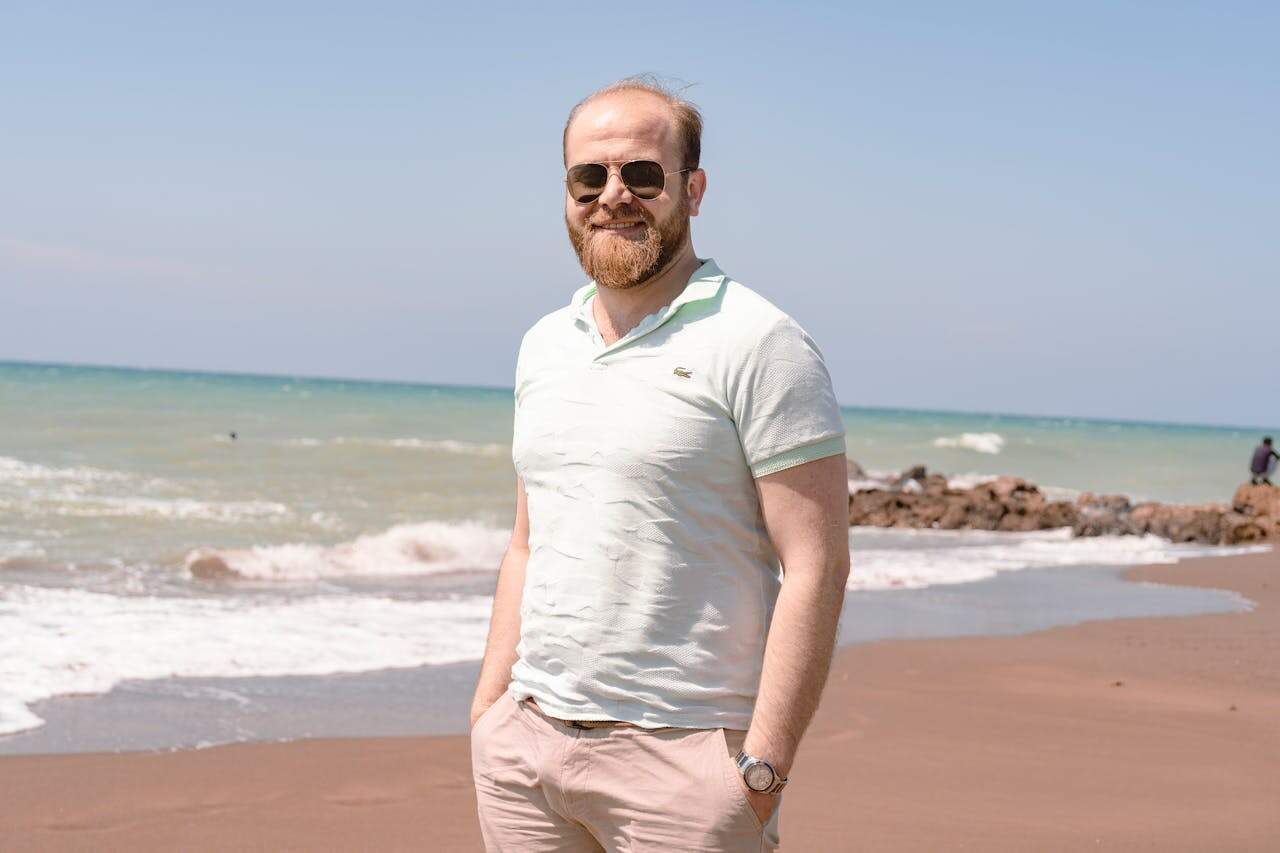
The summer can be a great option for patients who have the freedom to book extended periods of leave, such as professionals in education who have around 6 weeks or more to relax.
One downside is that during recovery, patients must avoid direct sunlight and limit exercise and other activities that cause sweating, which means those who have a hair transplant in the height of summer.
Likewise, you cannot swim for the first two weeks post-transplant, so if you love swimming either in a pool or the sea, you’ll need to adjust your schedule around this to avoid risks of infection and damage to the newly transplanted follicles.
Pros and Cons of Planning a Hair Transplant in the Autumn and Winter

As with the spring, the autumn is generally a good time for a hair transplant procedure, with the caveat that during heavy rain, you may not be able to wear a tightly fitted rain hat or other head covering during the first 14 days post op.
Winter is also surprisingly advantageous, despite many people assuming this isn’t the case! Although you will need to limit time outdoors and avoid wearing woolly, itchy, and restrictive hats during the early stages of recovery, you could find that:
- Cooler weather makes recovery more comfortable and can help to reduce swelling more quickly
- Having a reason to stay indoors during icy conditions can make it easier to relax without feeling you’re missing out.
- You’re likely to have some time of over the festive period
- The limited sunlight and heat pose less of a concern when spending some time outside
We would, though, advise against turning the central heating up too high to compensate for cold temperatures, as excess heat and sweating are to be avoided.
Related reading: Hair transplant recovery during the holiday season
Get a cost for your hair transplant
Looking for a consultation regarding the hair transplant cost? Book a free consultation with us today to see what we can do for you.
Impacts of the Weather on Hair Transplant Results
Provided you follow the aftercare guidance given and take steps to protect your scalp and the donor area during the days and weeks after your hair transplant, the weather will not influence the results.
However, it is important to think through the practicalities to ensure you’re not planning a surgical procedure at a time when it may be harder for you to take time off work, or when you may feel tempted to cover your head too soon.
You might, for instance, need to think about how you’ll protect your scalp from cold and dryness that can cause irritation in the winter, or plan to reduce the risk of sweating in the summer.
It’s also worth clarifying that the full recovery process takes up to a year, so you won’t see results sooner or later based on when your procedure takes place. We often talk about the initial 2-week recovery period, but this is the start of a healing process rather than the point at which your new hair will have fully regrown.
If you would prefer to manage initial shedding and manage temporary redness and swelling in the comfort of your home, this is a better way to determine the right time for your hair transplant than the weather outside.
Tips on Caring for Your Hair and Scalp Post-Transplant Based on the Weather
Regardless of the timings, your scalp needs to be kept clean and moisturised, as a dry, itchy scalp can affect the healing time and your results. It’s generally advisable to try to be as healthy as possible, avoiding alcohol and smoking, staying hydrated, and consuming essential vitamins and minerals that support healing.
Trying to limit stress levels and physical activity is also key, ensuring you’re getting plenty of sleep and eating a healthy, balanced diet with plenty of vegetables, fruits, and proteins.
Finally, you’ll need to continue following your surgeon’s advice and instructions for as long as recommended, and you are advised to schedule a follow-up with your nearest KSL Clinic if you have any concerns during your post-transplant recovery. Read our full hair transplant aftercare guide here.