
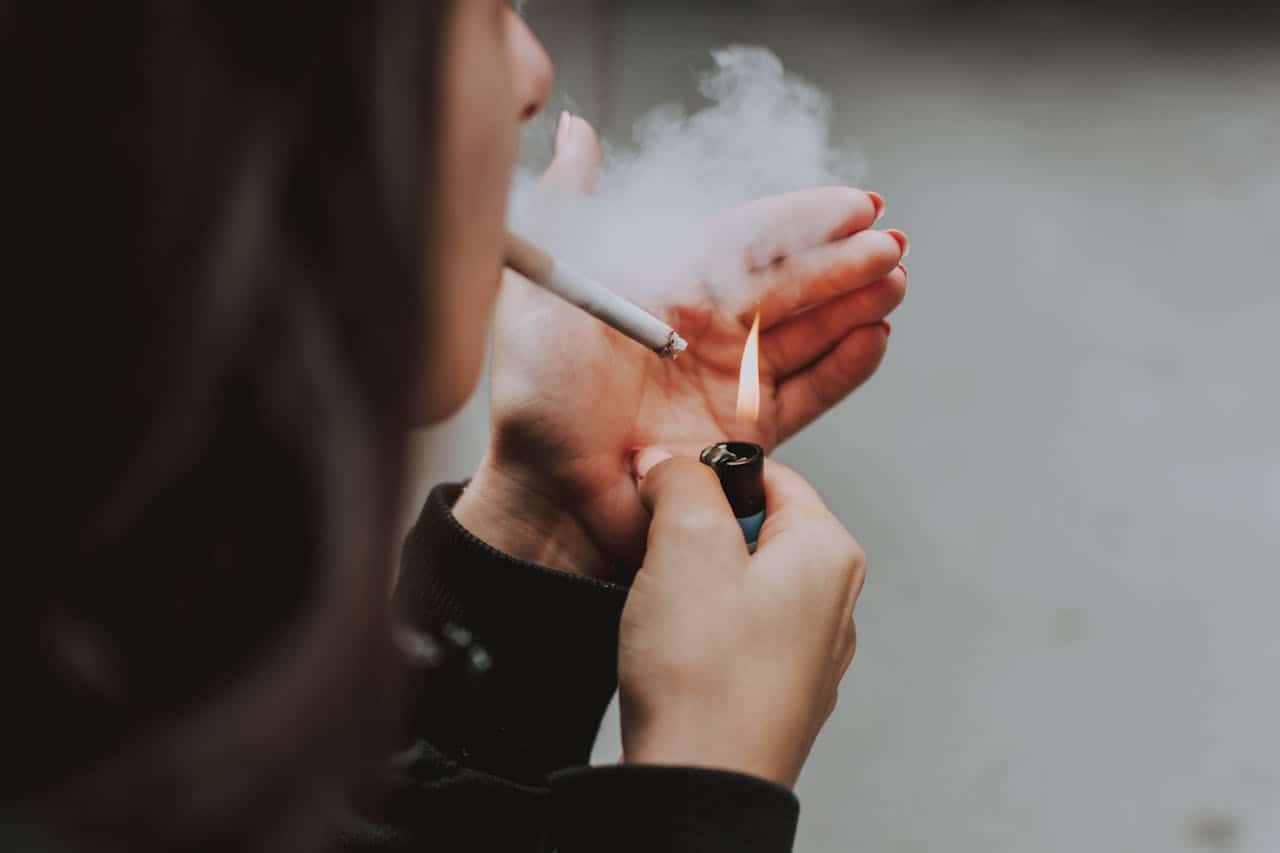
The post–hair transplant recovery period requires avoiding smoking for two to four weeks, as the initial recovery phase is critical for optimal healing and follicle stabilisation. Smoking during this stage can negatively impact healing and graft survival. Quitting smoking improves overall hair and scalp health, supporting stronger long-term outcomes.
What about smoking before your hair transplant? Ideally, hair transplant patients should stop smoking before their transplant to ensure they see the best possible results – and we recommend that you stop smoking for at least five days before your surgery.
Smoking won’t always mean hair transplants are guaranteed to fail, but it does make this more likely, with impacts that include slower healing and recovery, fewer successfully transplanted follicles and increased potential for complications.
Smoking and Hair Transplants: Key Takeaways
- All hair transplant patients are recommended to abstain from smoking for at least a few days and up to several weeks before and after a hair transplant to ensure their scalp and follicles are healthy and strong.
- Carbon monoxide and nicotine can both have negative impacts on hair growth, limiting blood flow and the delivery of nutrients and oxygen to the scalp, which is why any form of smoking is best avoided.
- Some nicotine replacement products and therapies may be beneficial, even if they still involve nicotine, as this at least means that the side effects of carbon monoxide won’t cause hair transplant recovery issues.
How Long Should You Stop Smoking After a Hair Transplant?
After your hair transplant surgery, you should avoid smoking for as long as you can. We recommend that you refrain from smoking for at least two weeks after your hair transplant. It’s in the patient’s best interest to abstain from cigarettes after the procedure and before.
We all recognise that smoking can carry health risks, and although stopping can be difficult, it is a positive step to ensure your scalp and follicles have the right environment for healing and hair regrowth.
Although smoking isn’t necessarily a direct cause of hair loss, it doesn’t help. Switching to nicotine replacement therapies or speaking to a professional at a stop smoking clinic may be beneficial if you‘re struggling. [1]
What Difference Does Smoking Make to My Hair Transplant Results?
Smoking has been found to have correlations with hair loss, due to the impacts on healthy hormones and free radicals [2], so although there are situations where patients continue to smoke and are happy with their results, the ideal scenario is to stop. Here’s why:
- The chemicals in cigarettes and tobacco can hamper your blood flow, which makes it harder for your scalp tissue to heal.
- Lower blood flow to your scalp also means less oxygen, which slows cellular repair and makes recovery longer.
- If follicles don’t get enough oxygen and nutrients, they are at higher risk of failure, which could mean you’ll need a subsequent hair transplant in the future.
There are numerous other lifestyle habits and aspects that can either mean hair loss is faster than it otherwise might be, or that your transplant results take longer to become visible, including stress and poor mental health, and even the climate and weather.
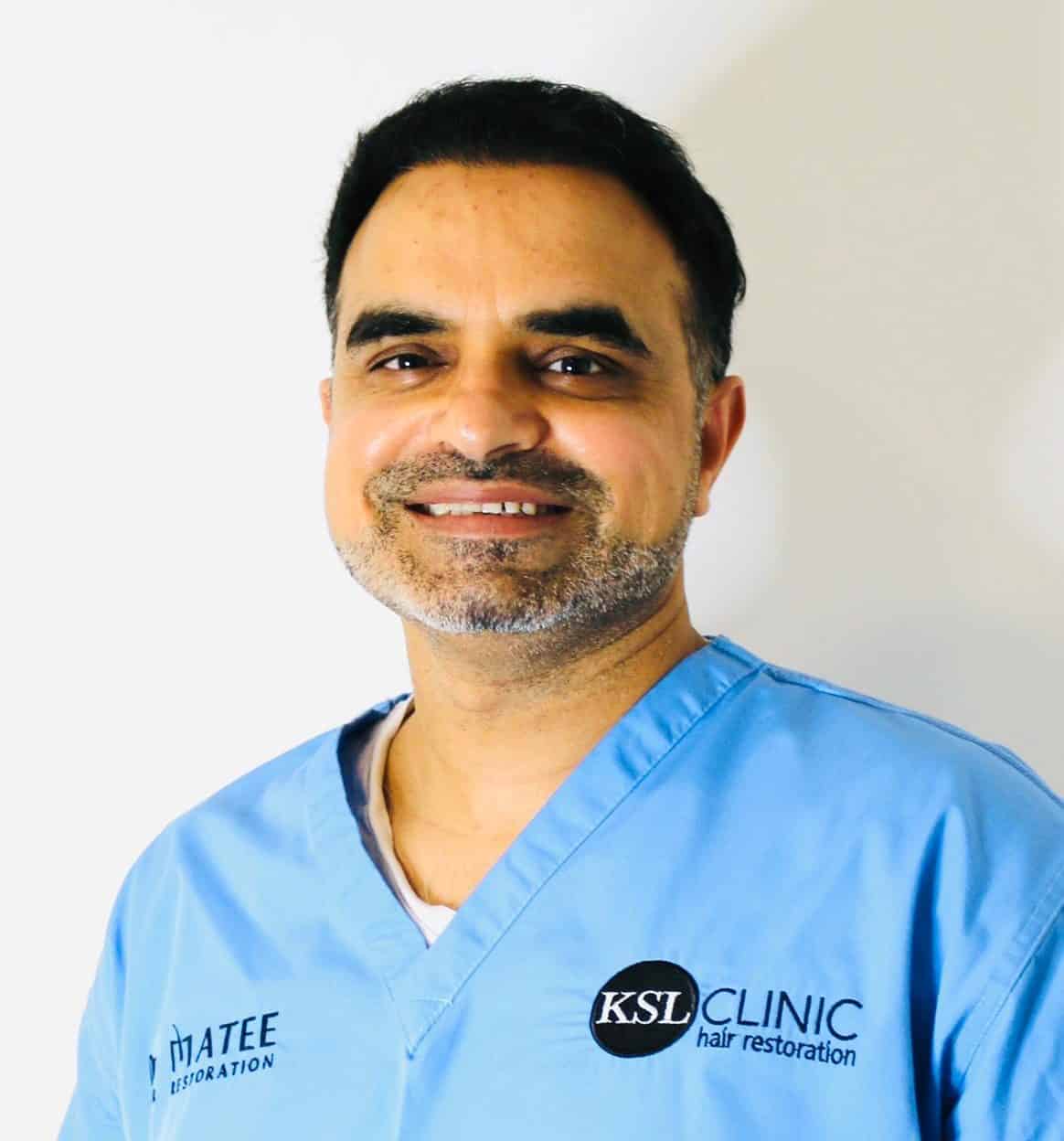
Dr Matee, KSL Clinic’s Director of Surgical Services, says, ‘Every patient is different, and practitioners don’t realistically expect that every hair transplant patient who smokes, and who has done so for many years, will be able to quit immediately or permanently.
However, if you are relying on a hair transplant to deliver transformative results, it is highly worthwhile working towards a goal of cutting back, quitting completely or stopping smoking during hair transplant recovery.’
What Other Substances Should I Avoid After Hair Transplant Surgery?
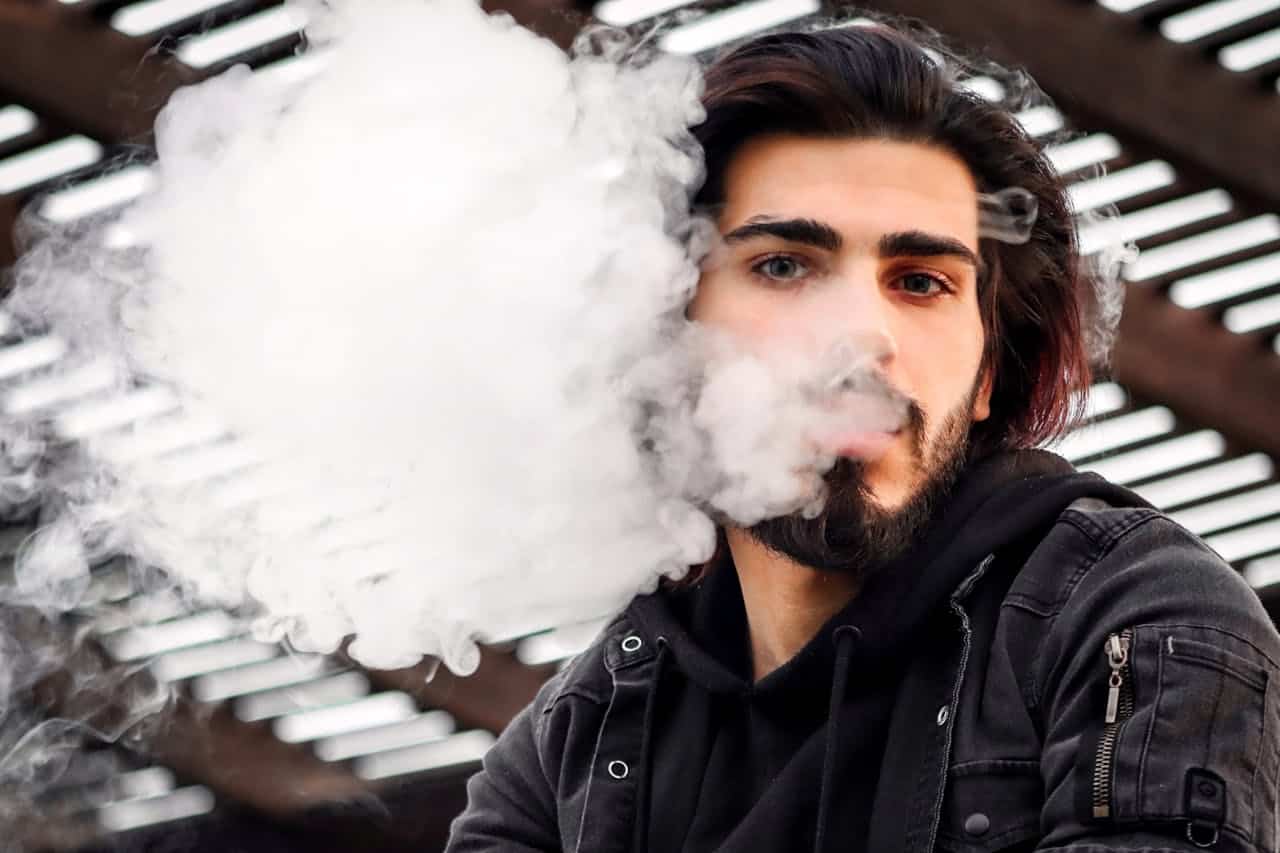
Smoking isn’t the only thing you should avoid after a hair transplant, and we also advise against drinking alcohol, exposing your scalp to direct sunlight, or swimming for at least the first couple of weeks.
| Lifestyle / Habit | Reasons to Avoid Post-Hair Transplant |
|---|---|
| Alcohol | Drinking alcohol can cause you to become dehydrated and increase your blood pressure. Both of these things can reduce blood flow, preventing your head from getting the oxygen and nutrients it needs. |
| Direct sunlight | It’s important to protect your head from sunlight exposure and avoid direct sunlight for two weeks. |
| Hair dye | You should not dye your hair until your scalp has completely healed and your doctor has advised that it’s safe to do so. |
| Strenuous exercise | Intense exercise and sweating can interfere with the newly transplanted follicles, and it is best avoided completely for 14 days. |
| Swimming | Chlorine and chemicals in pools and jacuzzis, as well as salt water in the sea, can all interfere with the delicate scalp tissue as it heals. |
| Itching or scratching | It can be tempting to scratch, but this can dislodge new follicles and impede your hair transplant results. |
| Tight headwear | Restricting your head or wearing tight hats can impede natural blood flow and either slow or disrupt the healing process. |
| Chemicals | Cosmetic shampoos, conditioners, and styling products can all carry a risk of infection or cause irritation while your transplant is healing. |
Simple steps, such as eating healthy, nutritious foods and drinking plenty of water, will benefit you, and following advice on when and how to safely wash your hair post-transplant will also help.
Why Is Hair Transplant Aftercare Vital
Following our post-operative instructions is important for a smooth and successful recovery. A hair transplant procedure has plenty of benefits, but it’s important to understand how to keep your grafts healthy.
Reviewing before-and-after hair transplant results from real-world patients is often a great source of inspiration to take the initiative to improve your general health and well-being, both before and after your procedure.
If you have any further questions about aftercare, please contact your selected clinic or discuss with your hair transplant surgeon.
How Can I Find Out More About Scheduling a Hair Transplant?
For more information, get in touch with the FUE hair transplant experts at KSL Clinic – or review our list of nationwide practices to see which is most convenient for you.
Get a cost for your hair transplant
Looking for a consultation regarding the hair transplant cost? Book a free consultation with us today to see what we can do for you.
Frequently Asked Questions
Will My Hair Transplant Fail if I Don’t Stop Smoking?
Not necessarily, but there is the chance that your transplant won’t be a complete success if any of the transplanted follicles don’t get enough oxygen or nutrients.
Can I Drink Alcohol Following a Hair Transplant?
No, we advise avoiding alcohol for at least the first 10 days to two weeks to ensure your scalp and body are healthy, hydrated, and in good shape to heal quickly.
How Long After a Hair Transplant am I Allowed to Smoke?
Hair restoration professionals advise that the longer you can stop smoking, the better, and that giving up for at least two to four weeks will be helpful, as this is the delicate initial healing period when follicles are embedding.
Will My Hair Transplant Fail if I Don’t Stop Smoking?
Not necessarily, but there is the chance that your transplant won’t be a complete success if any of the transplanted follicles don’t get enough oxygen or nutrients.
How Long After a Hair Transplant am I Allowed to Smoke?
Hair restoration professionals advise that the longer you can stop smoking, the better, and that giving up for at least two to four weeks will be helpful, as this is the delicate initial healing period when follicles are embedding.
Can I Drink Alcohol Following a Hair Transplant?
No, we advise avoiding alcohol for at least the first 10 days to two weeks to ensure your scalp and body are healthy, hydrated, and in good shape to heal quickly.